


In the vibrant world of tabletop gaming, the packaging of a board game serves as more than just a protective shell. It’s the first point of contact between the game and potential players, acting as a silent ambassador for the entertainment that lies within.
A well-designed board game box not only safeguards the contents but also entices, informs, and sets expectations for the gaming experience. Whether you’re a seasoned game designer or a newcomer to the industry, understanding the nuances of board game packaging is crucial for creating a product that stands out on crowded shelves and resonates with your target audience.
The art of designing a proper board game box involves a delicate balance of form and function. It requires careful consideration of materials, dimensions, visual appeal, and practical elements that contribute to the overall user experience. From the moment a potential buyer lays eyes on your game to the hundredth time a dedicated player reaches for it on their shelf, every aspect of the packaging plays a role in shaping perceptions and fostering engagement.
In this comprehensive guide, we’ll explore the multifaceted world of board game box design. From selecting the right size and style to incorporating eye-catching artwork and essential information, we’ll cover all the bases to help you create a custom board game box that not only protects your creation but also enhances its appeal and marketability.
Whether you’re looking to make your own board game box or seeking professional board game box printing services, this article will provide you with the insights and strategies needed to navigate the design process successfully. Let’s embark on this journey to unlock the secrets of creating packaging that’s as engaging and memorable as the game itself.
The Importance of Board Game Packaging
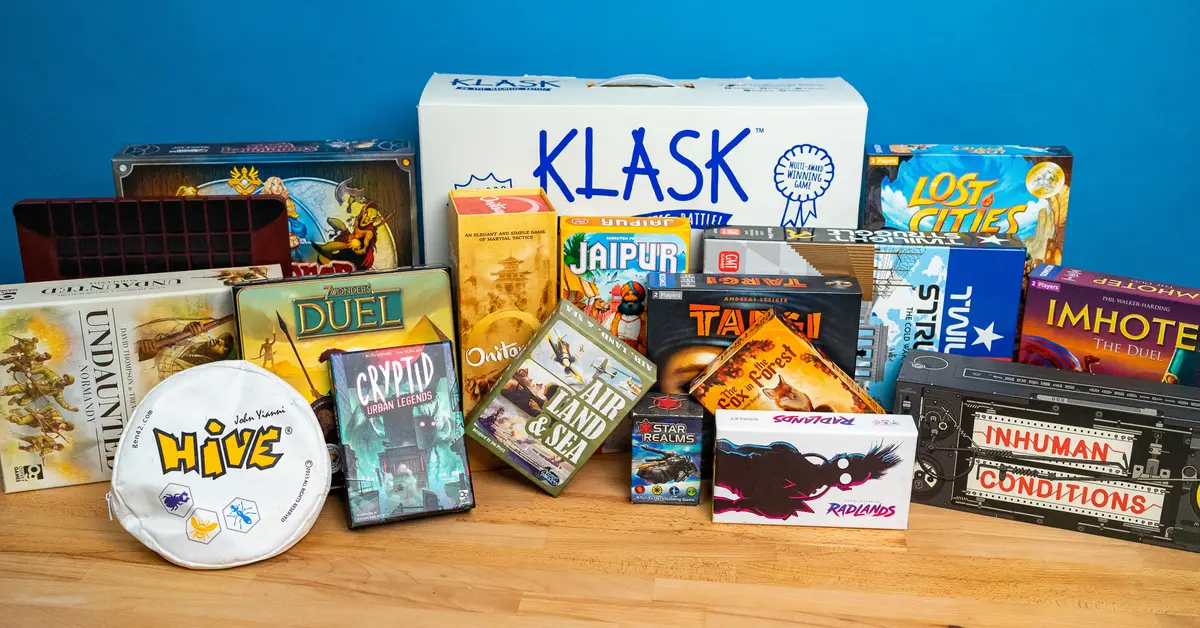
The significance of board game packaging extends far beyond mere aesthetics. In an industry where visual appeal often drives initial interest, the box serves as a powerful marketing tool, capable of attracting attention and conveying the essence of the game at a glance. A well-designed board game box can be the difference between a potential player passing by or pausing to take a closer look.
First impressions matter immensely in the competitive landscape of board games. The packaging is often the first interaction a consumer has with your product, and it sets the tone for their expectations. A thoughtfully designed box can communicate the game’s theme, complexity, and target audience without a single word being spoken. It’s a silent salesperson, working tirelessly to capture interest and inspire purchase decisions.
Moreover, the packaging plays a crucial role in protecting the game components during shipping, storage, and repeated use. A sturdy, well-constructed box ensures that the game arrives in perfect condition and continues to safeguard its contents throughout its lifespan. This durability not only preserves the game but also contributes to the overall perceived value of the product.
The unboxing experience has become an integral part of modern consumer culture, and board games are no exception. A cleverly designed box can enhance this experience, building anticipation and excitement as players prepare to dive into the game. From the satisfying slide of a drawer box to the magnetic snap of a flip-top lid, these tactile elements add to the overall enjoyment and can create a memorable first encounter with your game.
In the digital age, where online shopping has become increasingly prevalent, the importance of packaging has only grown. High-quality images of your board game box can be the deciding factor for online purchases, where customers can’t physically handle the product before buying. A visually striking and informative box design can bridge this gap, providing potential buyers with the confidence to make a purchase.
Lastly, effective packaging design can contribute significantly to brand recognition and loyalty. As players build their game collections, distinctive and cohesive packaging across a product line can create a visual identity that’s instantly recognizable. This brand consistency can foster trust and encourage repeat purchases, especially for game series or expansions.
In essence, the importance of board game packaging cannot be overstated. It’s a multifaceted tool that protects, promotes, and enhances the gaming experience. As we delve deeper into the specifics of board game box design, keep in mind that every decision you make in this process has the potential to impact your game’s success in the market and its longevity on players’ shelves.
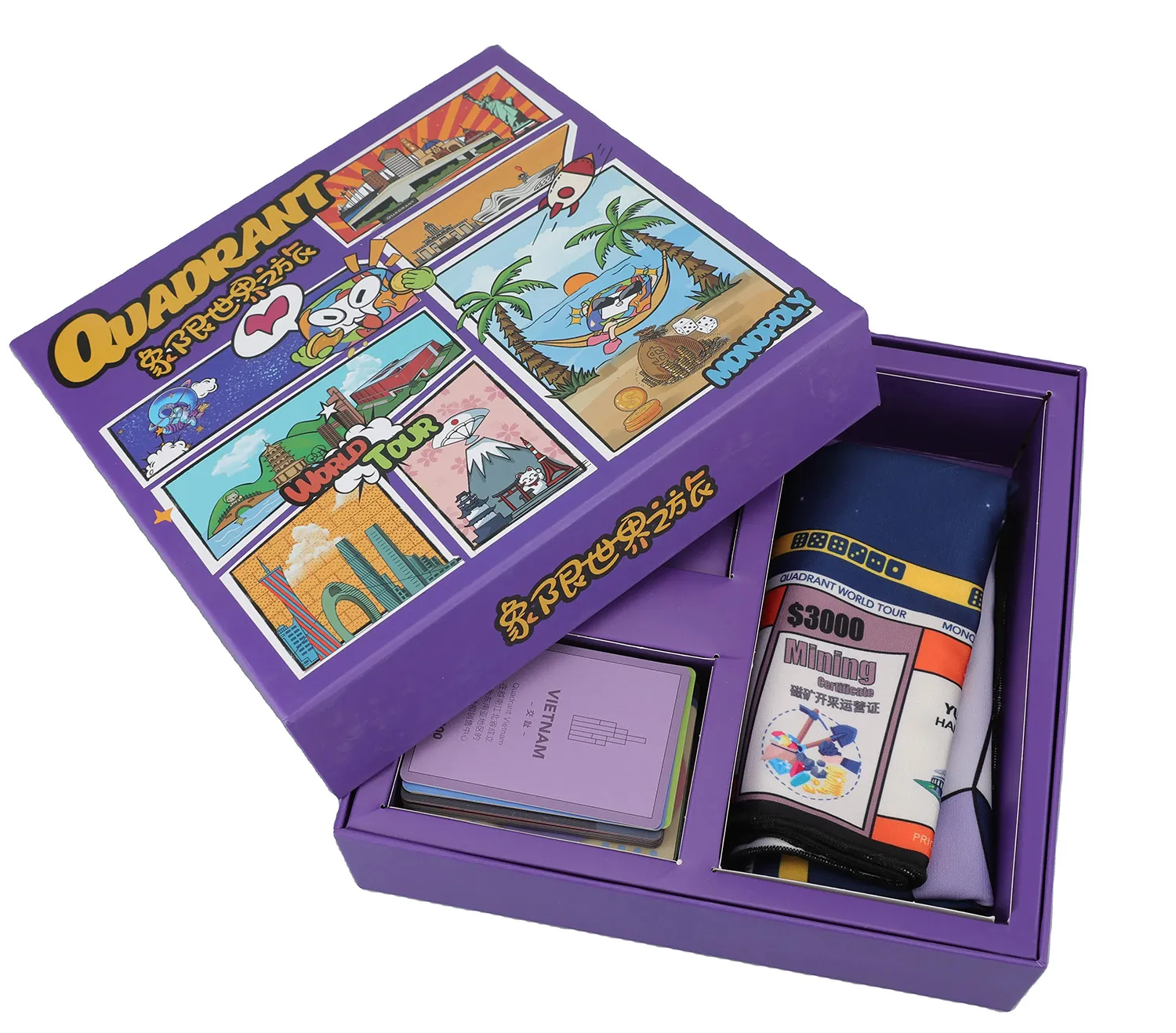
The Key Elements of Board Game Packaging
Creating an effective board game box involves careful consideration of several key elements. Each component plays a vital role in the overall design, functionality, and appeal of the packaging. Let’s explore these essential aspects in detail:
Box Size
The size of the board game box is a critical factor that depends on the game’s components and the desired visual impact. A box that is too small may lead to cramped and disorganized components, while an oversized box can result in wasted space and increased production costs. Finding the perfect balance is crucial to ensure a visually appealing and practical design.
Box Style
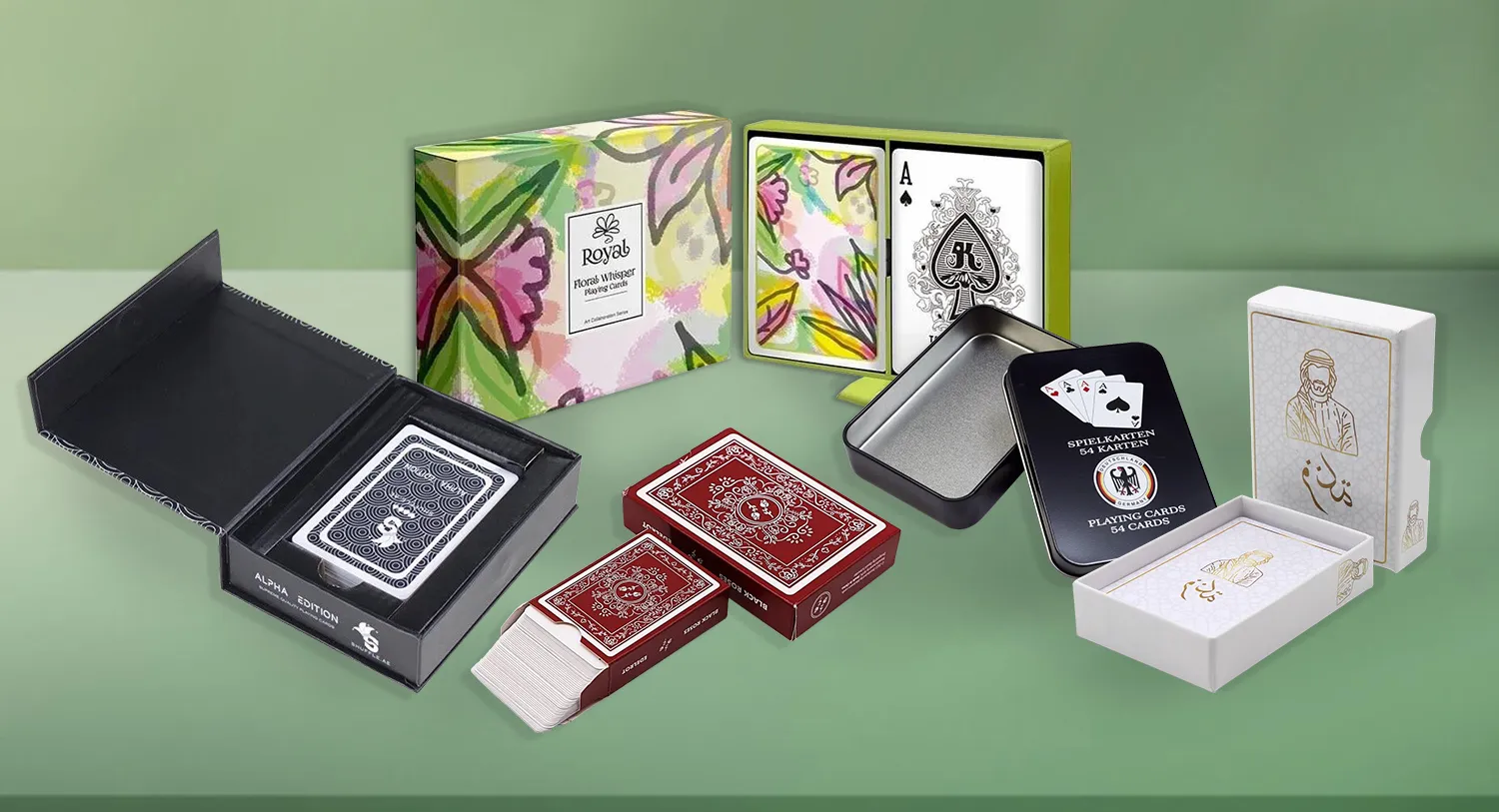
Board game boxes come in various styles, each with its own unique characteristics and advantages. From tuck boxes to rigid boxes with magnetic closures, the choice of box style can greatly influence the overall aesthetic and user experience.
Box Design
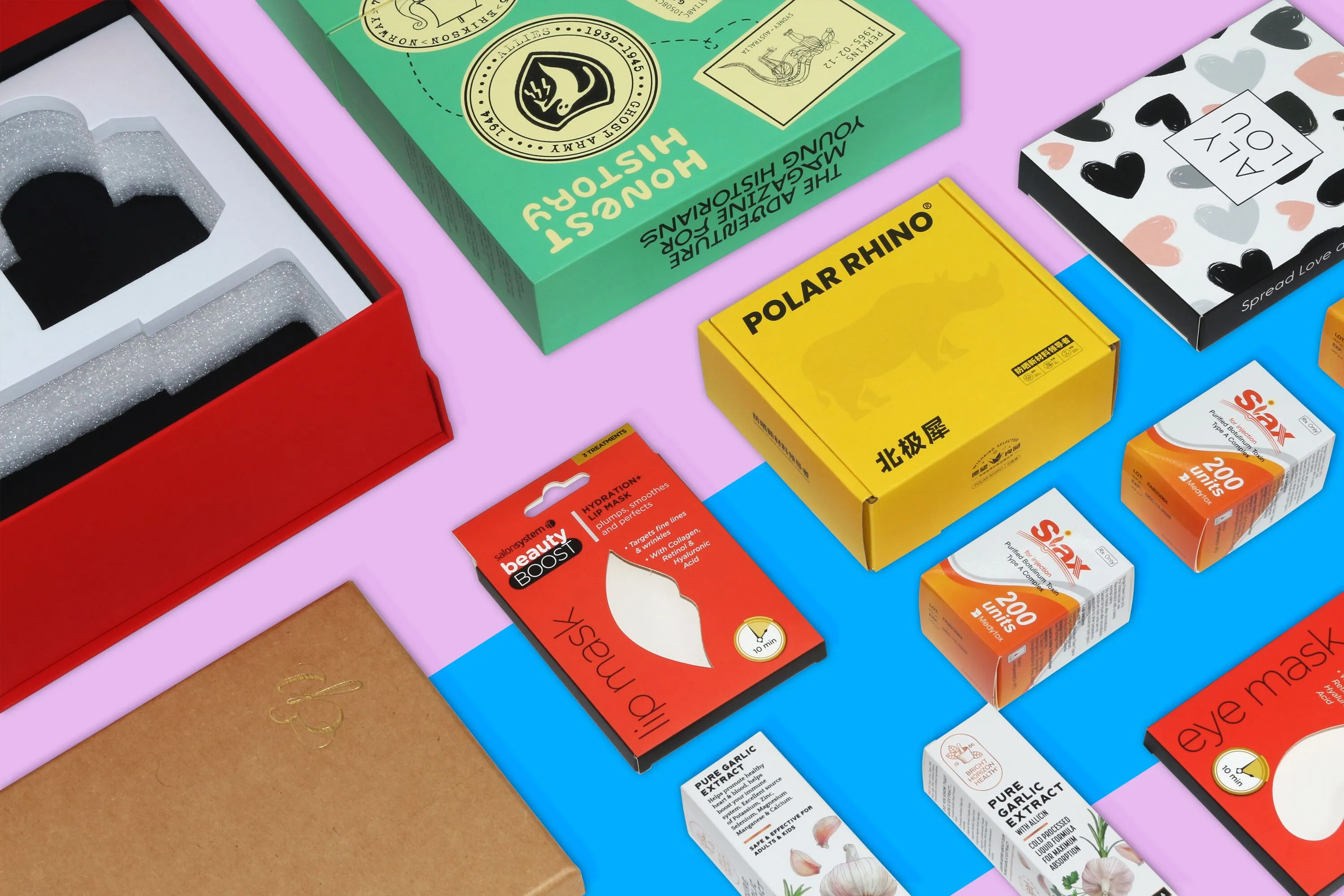
The design of the board game box is a canvas for creativity and storytelling. It should capture the essence of the game, convey the theme, and provide a visually stunning representation that entices players to explore further.
Box Functions and Information
Beyond aesthetics, the board game box must serve functional purposes. It should provide clear and concise information about the game, such as the player count, age range, playing time, and a brief overview of the gameplay. Additionally, it should facilitate easy access to components and ensure their protection during transportation and storage.
Box Material
The material used for the board game box plays a crucial role in its durability and overall quality. Common choices include cardboard, kraft paper, and corrugated materials, each offering unique advantages in terms of strength, sustainability, and visual appeal.
Understand Your Target Audience
Before diving into the specifics of board game box design, it’s crucial to have a clear understanding of your target audience. The preferences, expectations, and purchasing habits of your intended players should heavily influence your packaging decisions. This understanding will guide everything from the box size and style to the visual design and information presented.
Consider the following aspects when defining your target audience:
-
Age range: Are you designing for children, adults, or a family-friendly game?
-
Gaming experience: Is your game aimed at casual players or experienced enthusiasts?
-
Theme preferences: What genres or styles appeal to your target demographic?
-
Purchase motivations: Are they looking for quick party games, strategic challenges, or educational content?
Conducting market research and analyzing similar games in your niche can provide valuable insights into your audience’s preferences. This information will help you make informed decisions about your packaging design that resonate with potential buyers.
For example, if your target audience consists of serious strategy gamers, they might appreciate a more sophisticated and durable box design with detailed artwork. But, if you’re creating a party game for casual players, a bright, eye-catching box with simple, bold graphics might be more effective.
Remember that your board game box is often the first point of contact between your game and potential players. By tailoring your packaging to your target audience’s tastes and expectations, you increase the likelihood of attracting the right players and creating a positive first impression.
Determing Your Box Dimension and Shape
Determining the right dimensions and shape for your board game box is a critical step in the design process. This decision impacts not only the practicality of storing and transporting the game but also its shelf presence and perceived value. Here are key factors to consider when deciding on your board game box dimensions and shape:
Component Accommodation
First and foremost, your box must comfortably fit all game components. This includes:
-
The game board (folded or unfolded)
-
Cards, tokens, and other small pieces
-
Rulebook and any additional printed materials
-
Any specialized components unique to your game
Measure all components carefully and allow for some extra space to facilitate easy packing and unpacking. Remember, a box that’s too tight can lead to component damage, while one that’s too loose can result in pieces shifting during transport.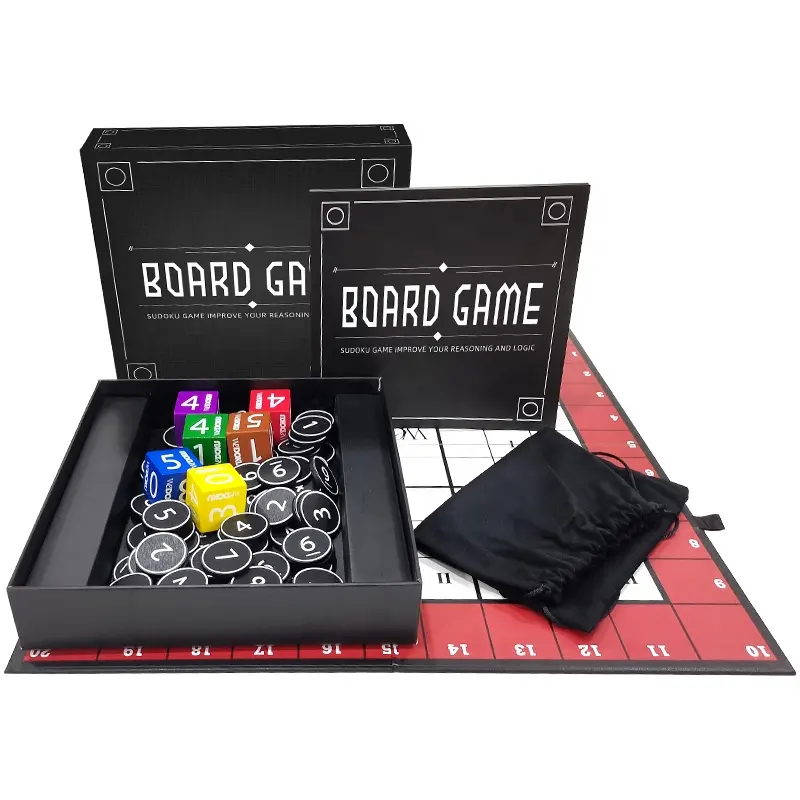
Popular Sizes
While custom sizes are possible, adhering to standard board game box dimensions can be beneficial. Common sizes include:
-
Small Box: Approximately 5.5″ x 5.5″ x 2″
-
Medium Box: Around 10.5″ x 5.5″ x 3″
-
Large Box: Typically 11.8″ x 11.8″ x 3.15″
Using standard sizes can help with shelf compatibility in stores and may reduce manufacturing costs.
Factors to Consider when Determing the Box Size
-
Component dimensions: Measure all game pieces to ensure a snug fit.
-
Shelf Presence: Consider how your box will look on a store shelf or in a player’s game collection. A larger box can command more attention but may also be perceived as offering more value, potentially influencing pricing strategies.
-
Portability: If your game is designed for travel or frequent transport, a more compact box might be preferable. Consider whether your target audience values portability in their game choices.
-
Production and Shipping Costs: Larger boxes generally incur higher production and shipping costs. Balance the desire for an impressive package with the practical considerations of manufacturing and distribution expenses.
Unique Shapes
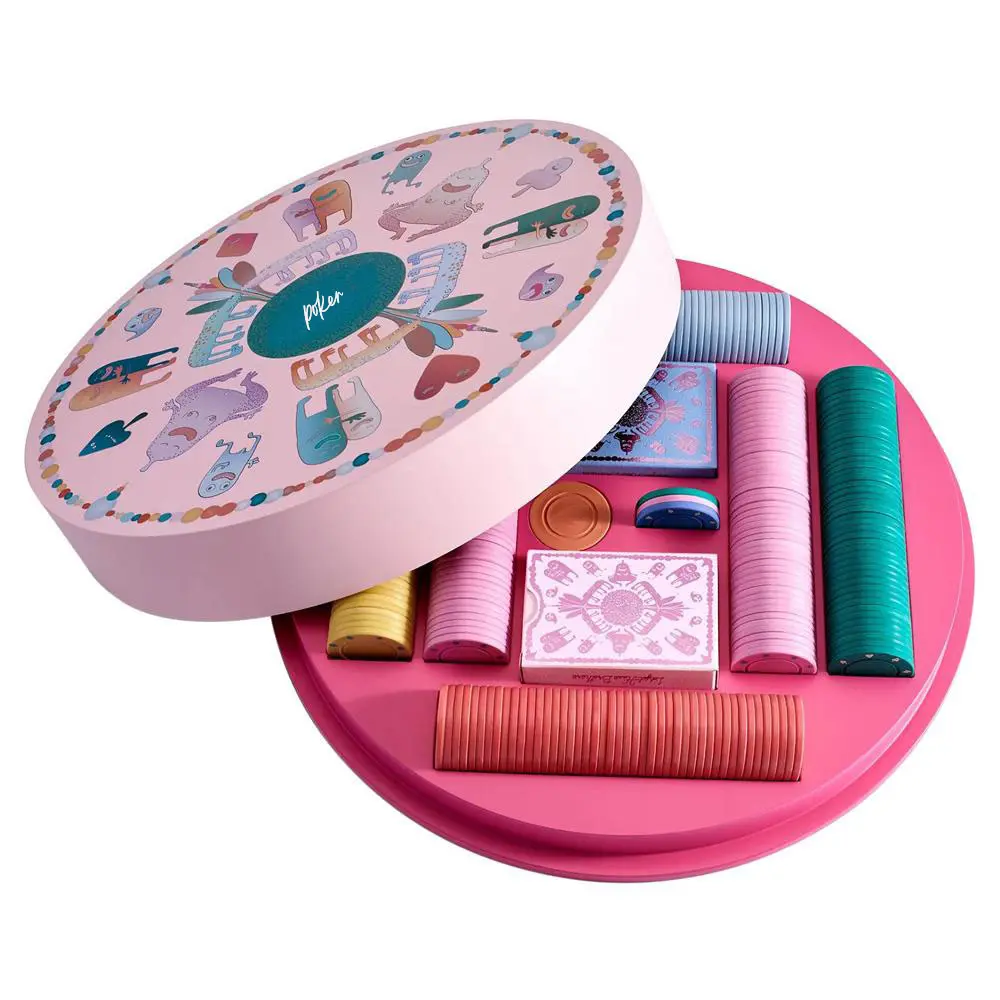
While rectangular boxes are most common, don’t be afraid to explore unique shapes that align with your game’s theme or mechanics. For example, a circular box for a wheel-based game or a hexagonal box for a tile-laying game can make your product stand out.
Future Expansions
If you anticipate releasing expansions for your game, consider leaving some extra space in the box or designing it in a way that allows for easy storage of additional components.
Prototype Testing
Before finalizing your box dimensions, create prototypes to test how well components fit and how the box feels in hand. This hands-on approach can reveal issues or opportunities for improvement that may not be apparent on paper.
By carefully considering these factors, you can arrive at a board game box dimension and shape that not only serves its practical purpose but also enhances the overall appeal and marketability of your game. Remember, the right size and shape can contribute significantly to a positive user experience from the moment a player picks up your game.
Selecting Right Board Game Box Style
Choosing the appropriate box style for your board game is a crucial decision that impacts both functionality and user experience. Different styles offer various benefits and can complement different types of games. Let’s explore some popular box styles and their characteristics:
Tuck Box
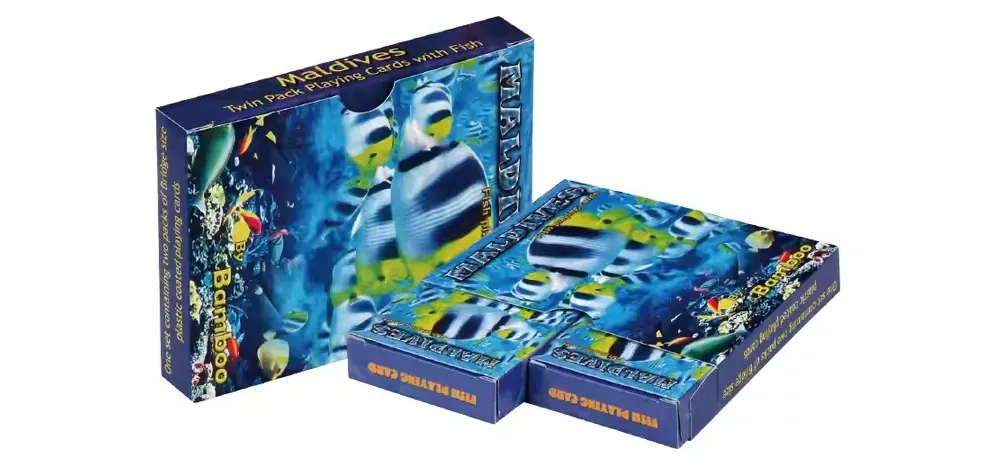
Tuck boxes are simple, cost-effective options often used for card games or smaller board games. They feature a single piece of cardboard folded into a box shape with a tucked-in flap for closure.
Pros:
-
Economical to produce
-
Lightweight and compact
-
Ideal for travel-sized games
Cons:
-
Limited durability
-
May not provide sufficient protection for delicate components
-
Less suitable for games with many pieces or a large board
Best for: Card games, travel editions, or budget-friendly productions.
Two-Piece Rigid Box
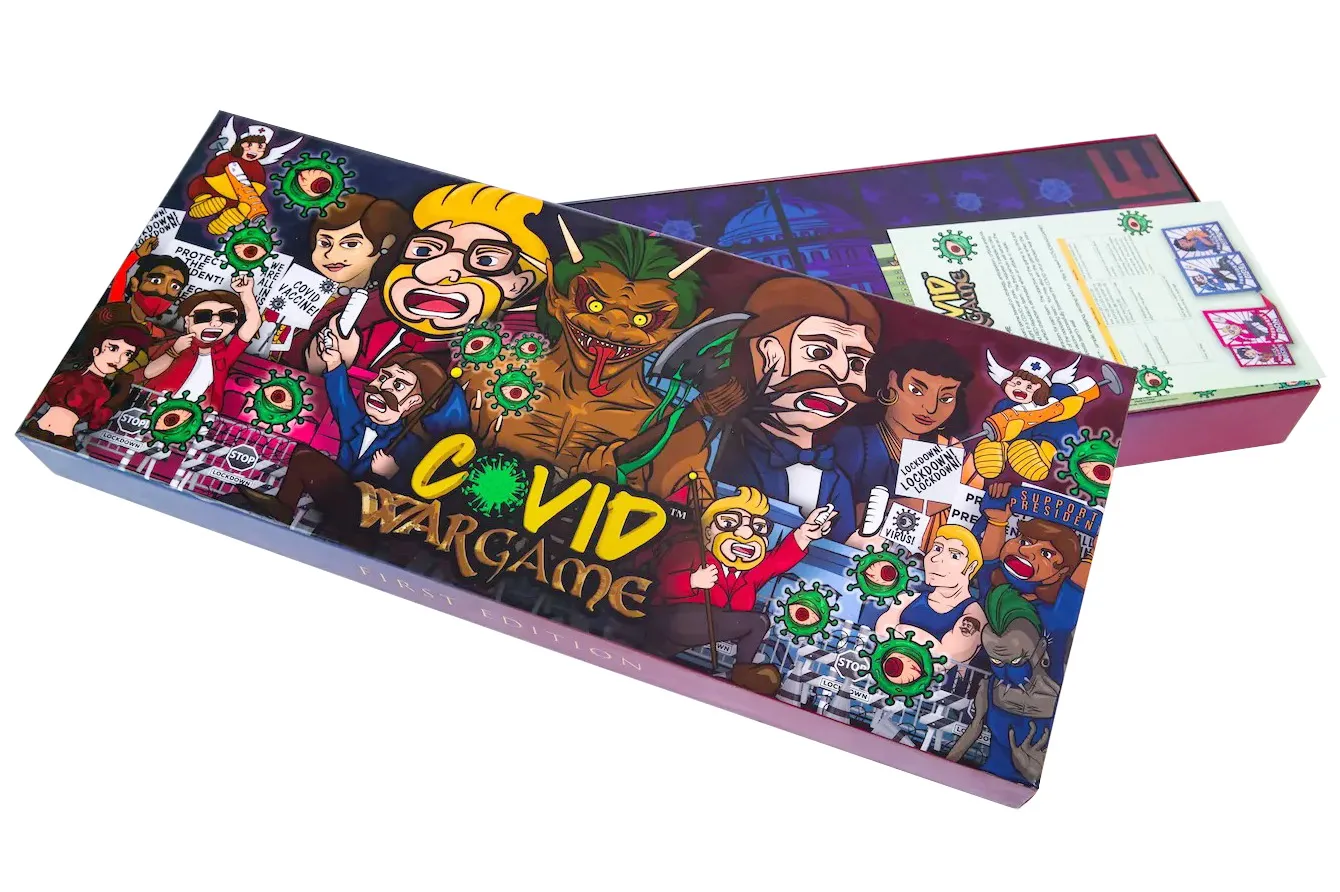
This classic style consists of a separate bottom and lid, offering a sturdy and reliable packaging solution.
Pros:
-
Durable and protective
-
Easy to open and close
-
Provides a traditional board game feel
-
Suitable for a wide range of game sizes and types
Cons:
-
Can be more expensive to produce than simpler styles
-
Lids may become loose over time with frequent use
Best for: Standard board games, games with multiple components, or those requiring extra protection.
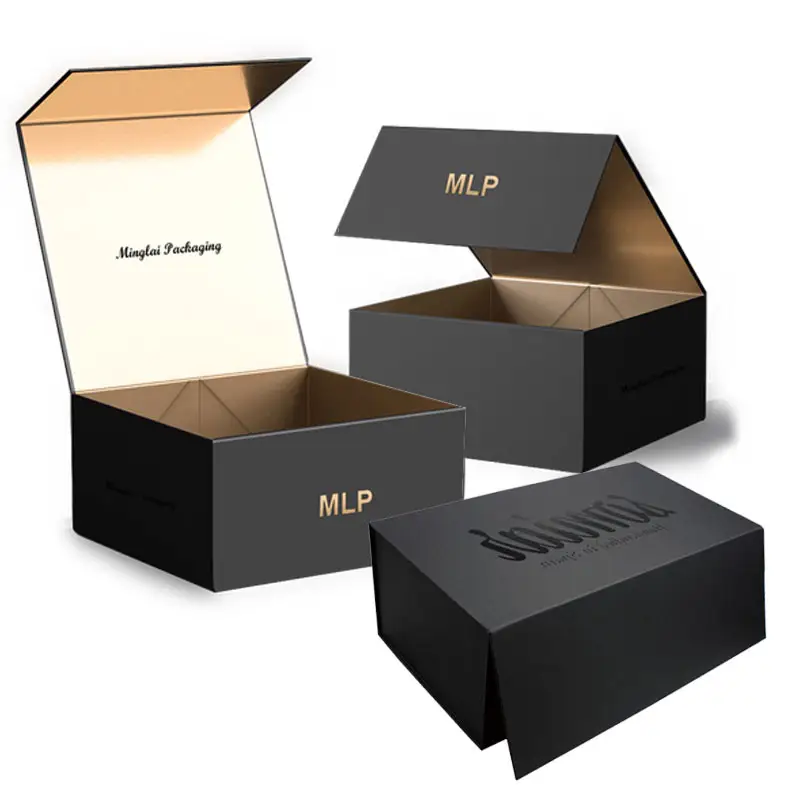
Magnetic Flip Rigid Box
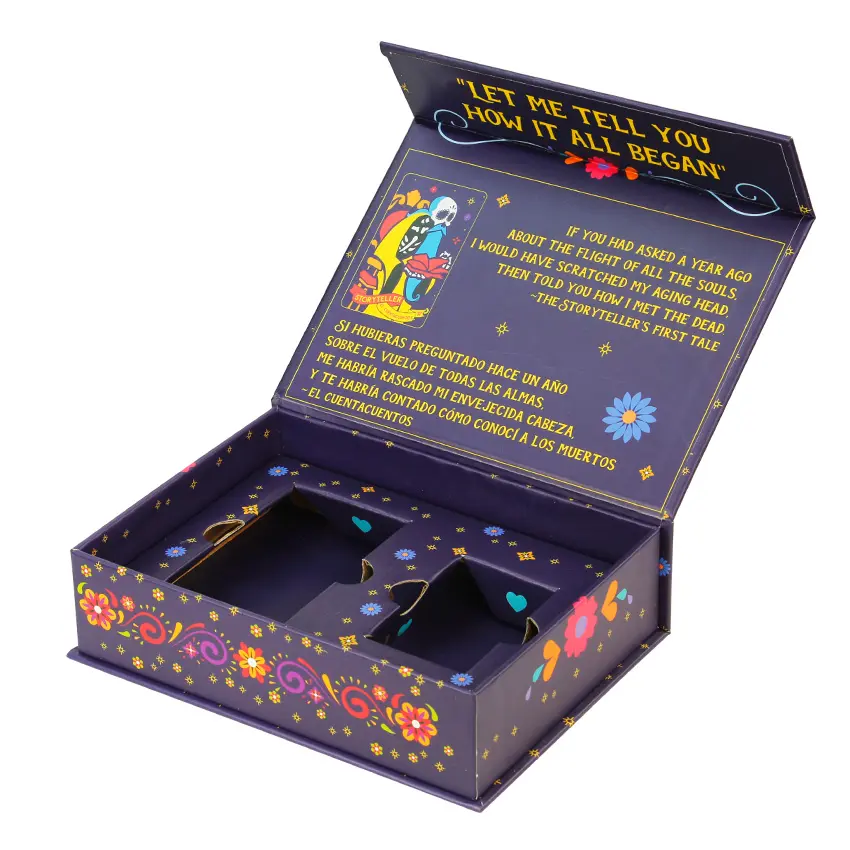
A premium option featuring a hinged lid with magnetic closure, offering both style and functionality.
Pros:
-
Provides a luxurious unboxing experience
-
Secure closure prevents accidental opening
-
Adds perceived value to the product
Cons:
-
Higher production costs
-
May be overkill for simpler or budget games
Best for: High-end games, collector’s editions, or games targeting a premium market segment.
Drawer Box
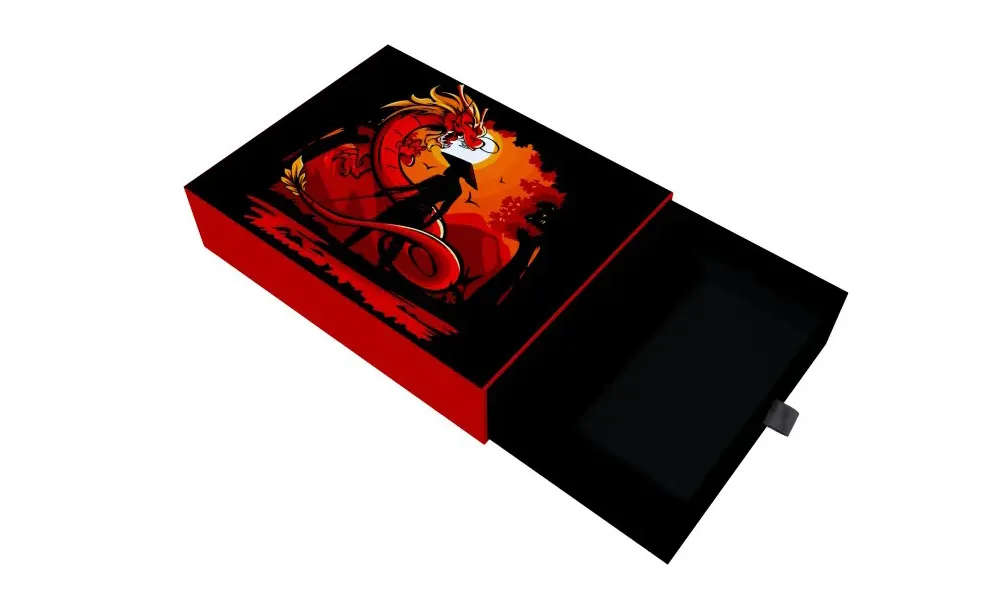
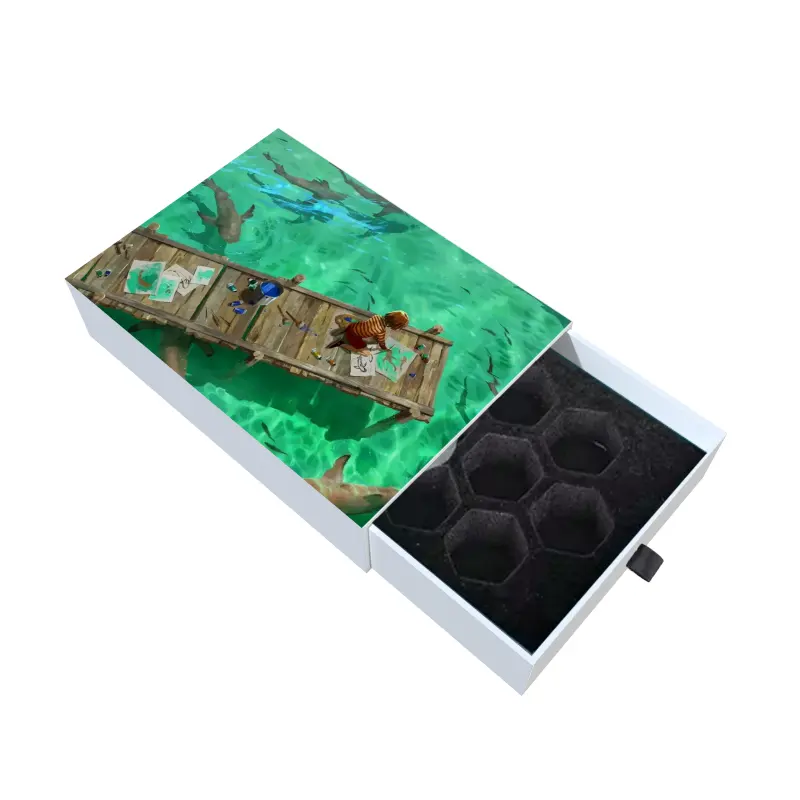
This style features a sleeve that slides over an inner box, similar to a drawer. It offers a unique unboxing experience and can provide additional storage options.
Pros:
-
Distinctive and memorable design
-
Can incorporate additional graphics or information on the sleeve
-
Potential for creative component organization
Cons:
-
More complex to manufacturer
-
May be more expensive than simpler box styles
Best for: Games with multiple expansions, those with a focus on component organization, or games aiming for a unique shelf presence.
Mailer Box
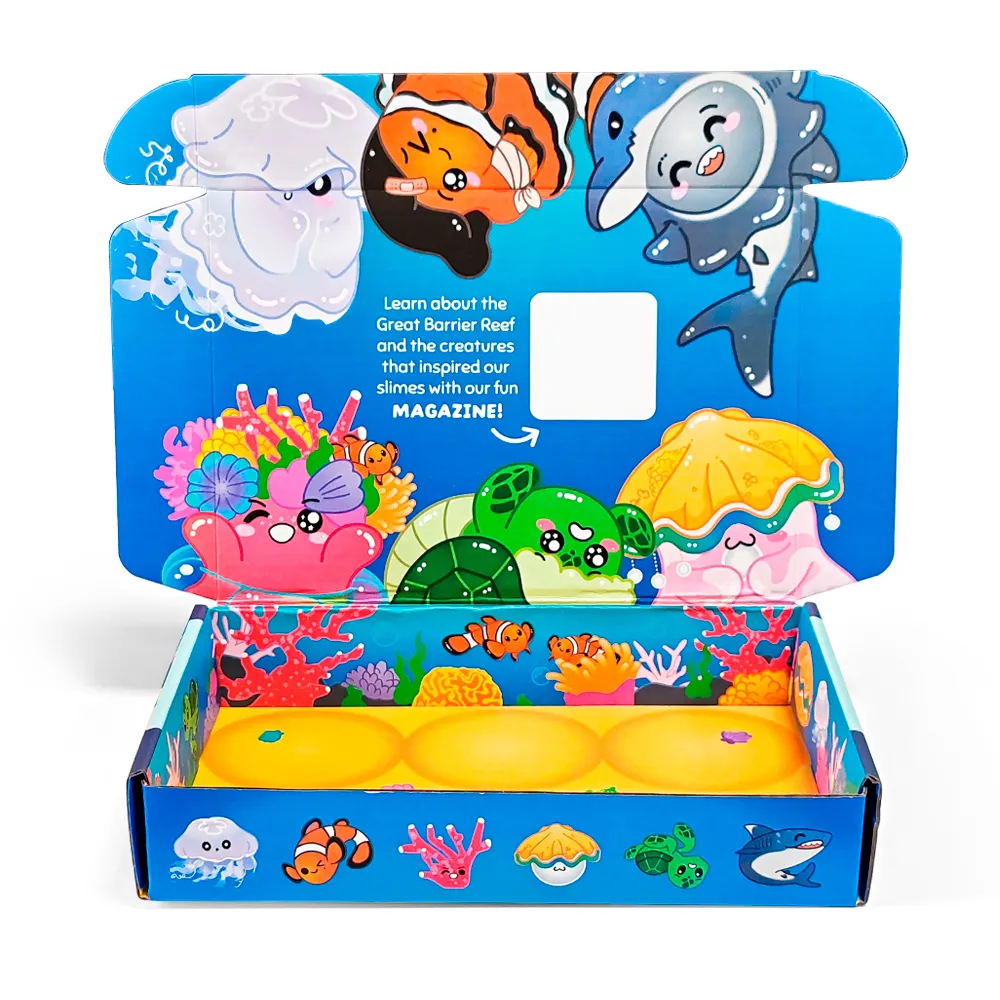
While not traditionally used for board games, mailer boxes are becoming popular for smaller games or those primarily sold online.
Pros:
-
Designed for easy shipping
-
Can be customized with printing on all sides
-
Often more eco-friendly due to minimal material use
Cons:
-
May not provide the same level of protection as sturdier box styles
-
Less traditional appearance might not appeal to all consumers
Best for: Print-on-demand games, small independent productions, or games primarily sold through e-commerce channels.
When selecting the right box style for your board game, consider the following factors:
-
Game components: Ensure the box can adequately protect and organize all pieces.
-
Target audience: Choose a style that aligns with your players’ expectations and preferences.
-
Price point: Select a box style that fits within your production budget and target retail price.
-
Distribution channels: Consider how the game will be sold and shipped to customers.
-
Brand image: Ensure the box style complements your game’s theme and overall brand identity.
By carefully evaluating these factors and understanding the pros and cons of each box style, you can select a packaging solution that not only protects your game but also enhances its appeal and user experience. Remember, the right box style can contribute significantly to the overall perception and success of your board game in the market.
Designing an Eye-Catching and Informative Box Cover
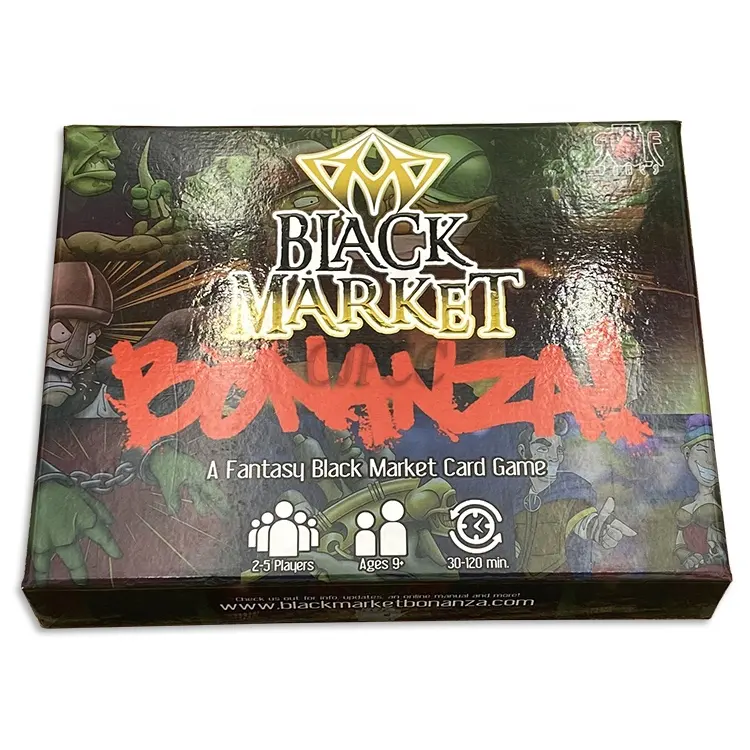
The cover of your board game box is arguably the most critical element of your packaging design. It’s the face of your product, responsible for capturing attention and conveying essential information at a glance. A well-designed box cover can be the difference between a potential player picking up your game or passing it by.
Here’s how to create a cover that’s both visually appealing and informative:
Visual Appeal
-
Artwork: Choose artwork that reflects the theme and mood of your game. Whether it’s hand-drawn illustrations, digital art, or photography, ensure it’s high-quality and visually striking.
-
Color Scheme: Select colors that complement your game’s theme and stand out on store shelves. Consider color psychology to evoke the right emotions (e.g., blue for calmness, red for excitement).
-
Composition: Arrange visual elements in a way that guides the eye and creates a hierarchy of information. Use the rule of thirds or other design principles to create a balanced layout.
-
Typography: Choose fonts that are legible and match the game’s style. Ensure the game title is prominent and easily readable from a distance.
-
Negative Space: Don’t overcrowd the design. Use white space effectively to make key elements stand out and create a clean, professional look.
Essential Information
-
Game Title: Make sure it’s large, clear, and prominently displayed.
-
Player Count: Clearly indicate the number of players the game supports.
-
Age Range: Display the recommended age for players.
-
Playing Time: Provide an estimate of how long a typical game session lasts.
-
Brief Description: Include a short tagline or description that captures the essence of the game.
-
Publisher and Designer: Include the names of the publisher and game designer(s).
-
Components: Consider listing key components or featuring images of game pieces to give potential buyers an idea of what’s inside.
Design Tips
-
Create Depth: Use layering and subtle shadows to add dimension to your design.
-
Showcase Gameplay: If possible, include elements that hint at the game mechanics or theme.
-
Consistency: Ensure the box cover design aligns with any other marketing materials or online presence for your game.
-
Scalability: Design with various sizes in mind, as your artwork may need to be used for different purposes (e.g., online thumbnails, posters).
-
Prototype and Test: Create mock-ups of your design and test them in different lighting conditions and from various distances to ensure readability and impact.
-
Consider the Target Audience: Tailor your design to appeal to your intended players. A family game might use bright, friendly imagery, while a strategy game might opt for a more sophisticated look.
-
Brand Identity: If you’re creating multiple games, consider how this box cover fits into your overall brand aesthetic.
-
Legal Requirements: Ensure you include any necessary legal information, such as copyright notices or safety warnings.
-
QR Codes: Consider adding a QR code that links to additional information, video tutorials, or your game’s website.
-
Finish: Think about the physical finish of the box. Matte, gloss, or spot UV finishes can add extra visual interest and tactile appeal.
Remember, your board game box cover needs to work hard. It must attract attention, convey information, set expectations, and ultimately convince someone to take a closer look or make a purchase. By balancing eye-catching visuals with clear, concise information, you can create a box cover that not only looks great but also effectively communicates the value and excitement of your game.
Incorporating Branding and Artwork into Your Board Game Box Design
Effective branding and compelling artwork are crucial elements in creating a board game box that stands out and resonates with your target audience. These components work together to establish a unique identity for your game and create an emotional connection with potential players. Here’s how to successfully incorporate branding and artwork into your board game box design:
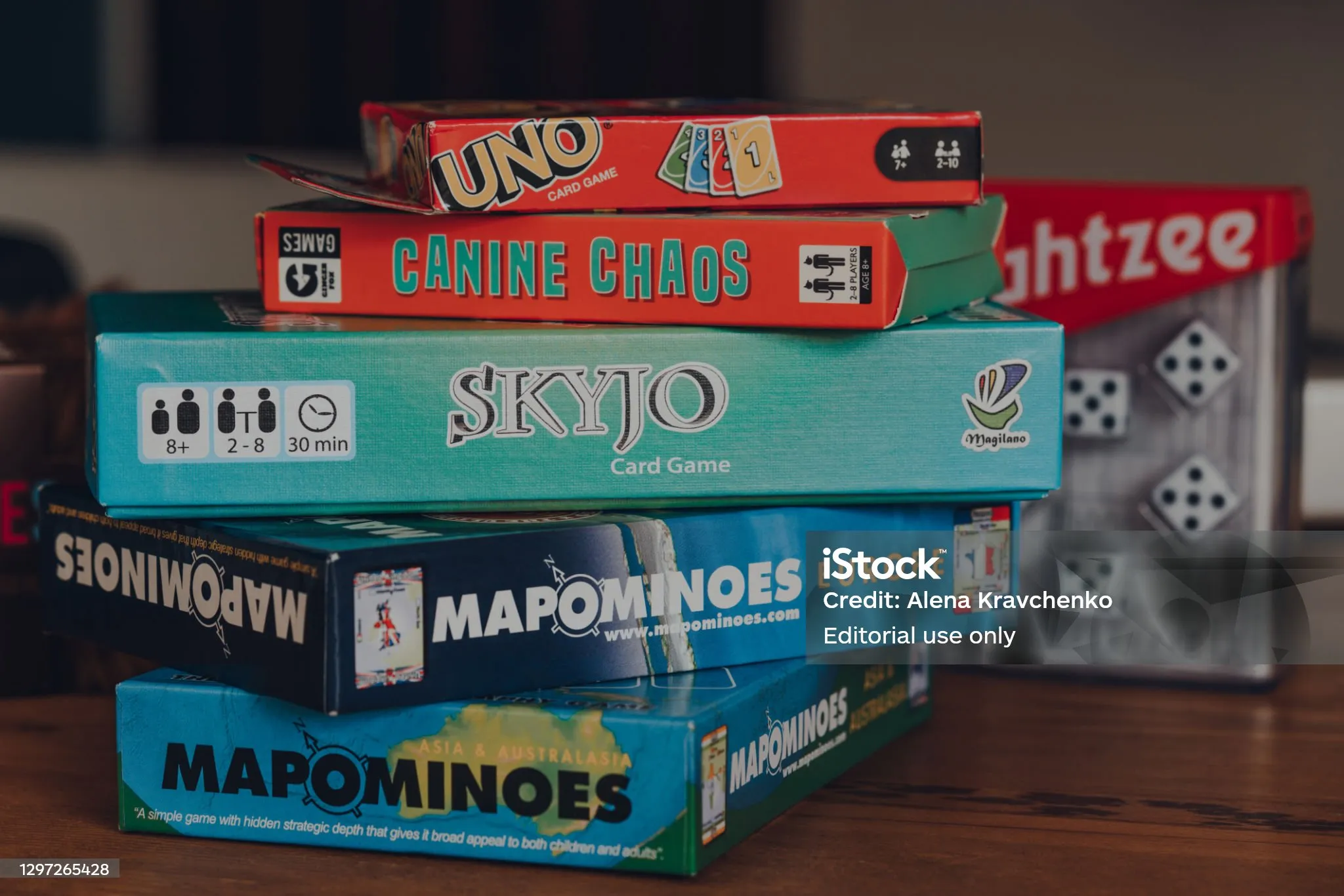
Developing a Strong Brand Identity
-
Logo Design: Create a distinctive logo for your game that’s easily recognizable and reflects the game’s theme or mechanics. Ensure it’s scalable and works well in different sizes and formats.
-
Color Palette: Establish a consistent color scheme that aligns with your game’s mood and theme. This palette should be used across all branding elements for cohesion.
-
Typography: Choose fonts that complement your game’s style and are easily readable. Consider using a unique font for the game title and a more standard font for other text.
-
Visual Elements: Develop unique visual elements or icons that represent key aspects of your game. These can be used across various marketing materials for brand recognition.
Integrating Artwork
-
Theme Representation: Ensure the artwork accurately represents the game’s theme and atmosphere. This helps set player expectations and attracts your target audience.
-
Style Consistency: Maintain a consistent art style across all components of the box design. This includes the cover, sides, and back of the box.
-
Character Design: If your game features characters, showcase them prominently in the box art. Well-designed characters can become iconic representations of your game.
-
Scene Creation: Consider creating a scene that captures a moment from the game, giving potential players a glimpse into the gameplay experience.
-
Component Showcase: Incorporate images or illustrations of key game components to give buyers an idea of what’s inside the box.
Balancing Branding and Artwork
-
Hierarchy: Establish a clear visual hierarchy that balances your branding elements (logo, game title) with the artwork. Ensure that neither overshadows the other.
-
Integration: Look for ways to seamlessly integrate your branding elements into the artwork, such as incorporating the logo into a scene or using brand colors in the illustrations.
-
Negative Space: Use white space effectively to prevent the design from feeling cluttered and to allow both branding and artwork to breathe.
-
Consistency Across Platforms: Ensure that your branding and artwork translate well across different mediums, from the physical box to digital representations on websites and social media.
Practical Considerations
-
Printing Limitations: Be aware of any printing limitations or requirements that might affect your design choices. Consult with your manufacturer early in the process.
-
Expandability: If you plan to create expansions or a series of games, design your branding and artwork with future additions in mind.
-
Cultural Sensitivity: If you’re planning to distribute your game internationally, ensure your branding and artwork are culturally appropriate and translatable.
-
Legal Considerations: Verify that all artwork and branding elements are original or properly licensed to avoid copyright issues.
Testing and Refinement
-
Mockups: Create physical mockups of your box design to see how it looks in three dimensions and how it stands out on a shelf.
-
Feedback: Gather feedback from potential players, retailers, and industry professionals. Their insights can be invaluable in refining your design.
-
A/B Testing: If possible, create multiple versions of your box design and test them with focus groups to see which resonates best with your target audience.
-
Iteration: Be prepared to go through several iterations of your design. Refining your branding and artwork is a process that takes time and patience.
By thoughtfully incorporating branding and artwork into your board game box design, you create a powerful visual identity for your game. This not only helps it stand out in a crowded market but also builds a connection with players that can extend beyond the game itself. Remember, your box is often the first point of contact between your game and potential players, so make sure it accurately represents the experience and quality of the game inside.
Adding Necessary Information and Instructions to Your Board Game Box
While the visual appeal of your board game box is crucial, it’s equally important to provide clear and concise information about the game. This information helps potential buyers make informed decisions and sets appropriate expectations for gameplay.
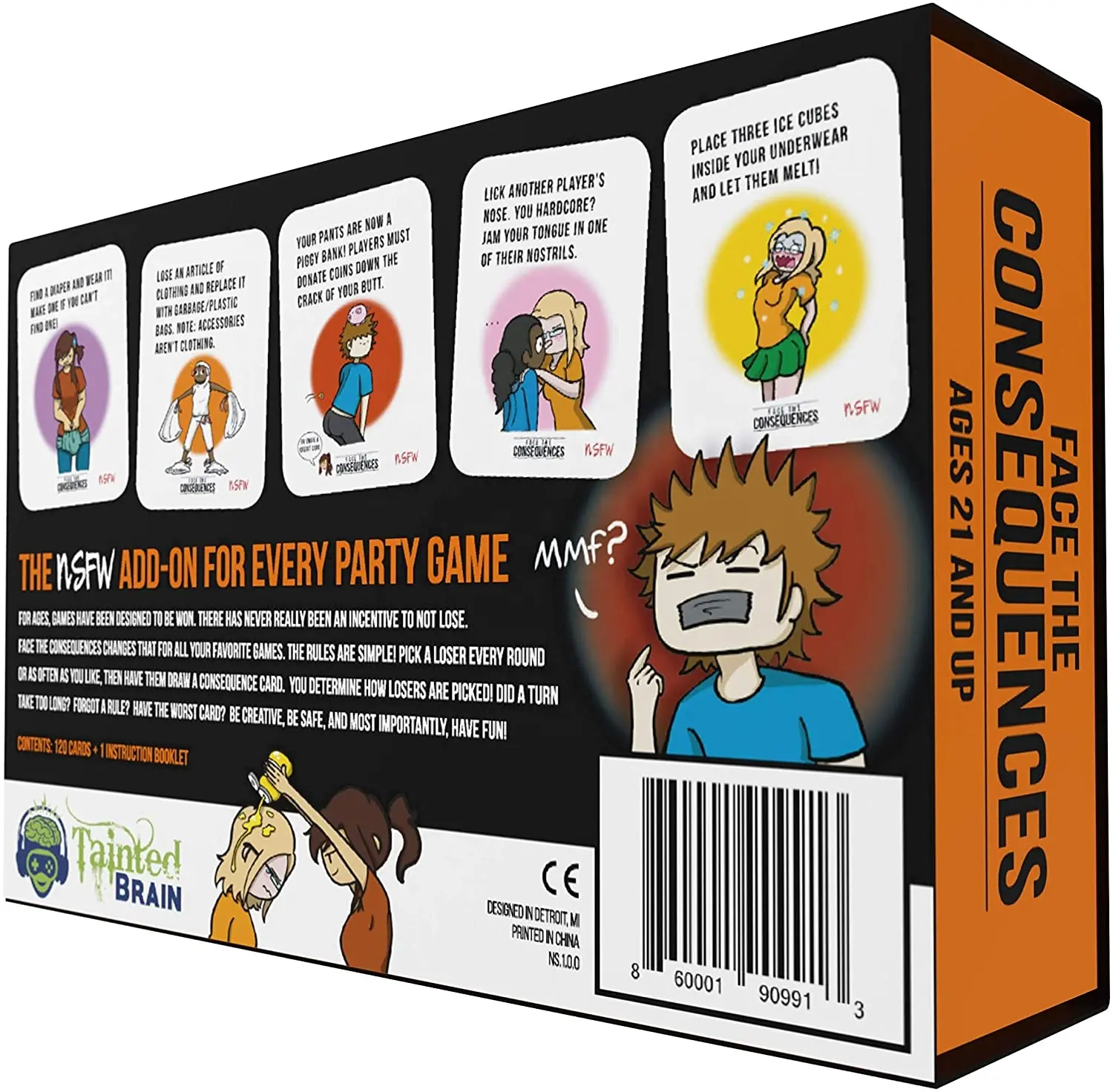
Here’s how to effectively incorporate necessary information and instructions on your board game box:
Essential Information to Include
-
Game Title: Prominently display the name of your game.
-
Player Count: Clearly state the minimum and maximum number of players.
-
Age Range: Indicate the recommended age for players.
-
Playing Time: Provide an estimate of the average game duration.
-
Brief Game Description: Include a short, engaging summary of the game concept or main mechanics.
-
Key Components: List the major components included in the box.
-
Publisher and Designer Names: Credit the game’s creator(s) and publishing company.
-
Barcode and SKU: Include these for retail purposes.
-
Safety Information: Add any necessary safety warnings or choking hazard notices.
-
Copyright Information: Include copyright and trademark details.
Organizing Information Effectively
-
Use the Back of the Box: The back of the box is ideal for detailed information. Consider dividing it into clear sections for easy reading.
-
Bullet Points: Use bullet points to list key features or gameplay elements concisely.
-
Icons: Develop or use standard icons to represent information like player count, age range, and play time. These are quickly recognizable and save space.
-
QR Code: Include a QR code that links to more detailed information, rules, or video tutorials online.
-
Multilingual Information: If targeting multiple markets, consider including key information in relevant languages.
Highlighting Unique Selling Points
-
Awards or Recognitions: If your game has won awards or received notable reviews, prominently display this information.
-
Unique Features: Emphasize what makes your game stand out from others in the genre.
-
Expansions or Series: If the game is part of a series or has available expansions, mention this to encourage further purchases.
Instructions and Quick Start Guide
-
Setup Instructions: Consider including a quick setup diagram or instructions on the box interior.
-
Basic Rules Overview: Provide a very brief overview of the core rules or gameplay loop.
-
First Turn Guide: If possible, include instructions for setting up and playing the first turn of the game.
-
Refer to Full Rules: Clearly indicate where the full rulebook can be found (usually inside the box).
Design Considerations
-
Readability: Use fonts and font sizes that are easy to read. Ensure there’s sufficient contrast between text and background.
-
Hierarchy of Information: Organize information in order of importance, with the most crucial details being the most prominent.
-
Consistency with Cover: Ensure the design and information on all sides of the box are consistent with the cover in terms of style and branding.
-
Use of Images: Include images or diagrams where they can help explain concepts more clearly than text alone.
-
Negative Space: Don’t overcrowd the box with information. Use white space effectively to improve readability.
Legal and Regulatory Compliance
-
Age Warnings: Ensure any age recommendations or warnings comply with relevant regulations.
-
Material Declarations: Include any necessary declarations about the materials used in the game components.
-
Country of Origin: State where the game was manufactured, if required by local regulations.
-
Certification Marks: Include any relevant certification marks (e.g., CE marking for European markets).
Practical Tips
-
Proofreading: Thoroughly proofread all text to avoid errors. Consider having multiple people review the content.
-
Localization: If selling in multiple countries, ensure all information is correctly translated and culturally appropriate.
-
Prototype Testing: Create prototypes of your box design and test the clarity of information with potential players.
-
Future-Proofing: Consider how the information might need to be updated for future print runs or editions.
By carefully incorporating these elements into your board game box design, you provide potential buyers with all the necessary information to make an informed purchase decision. This transparency not only helps in marketing your game but also sets appropriate expectations, leading to better customer satisfaction. Remember, a well-informed buyer is more likely to become a satisfied player and advocate for your game.
Picking Right Board Game Box Material
Selecting the appropriate material for your board game box is a crucial decision that impacts durability, aesthetics, cost, and environmental considerations. The right choice can enhance the perceived value of your game and ensure it withstands the test of time. Let’s explore the most common materials used in board game box construction and their characteristics:
Cardboard
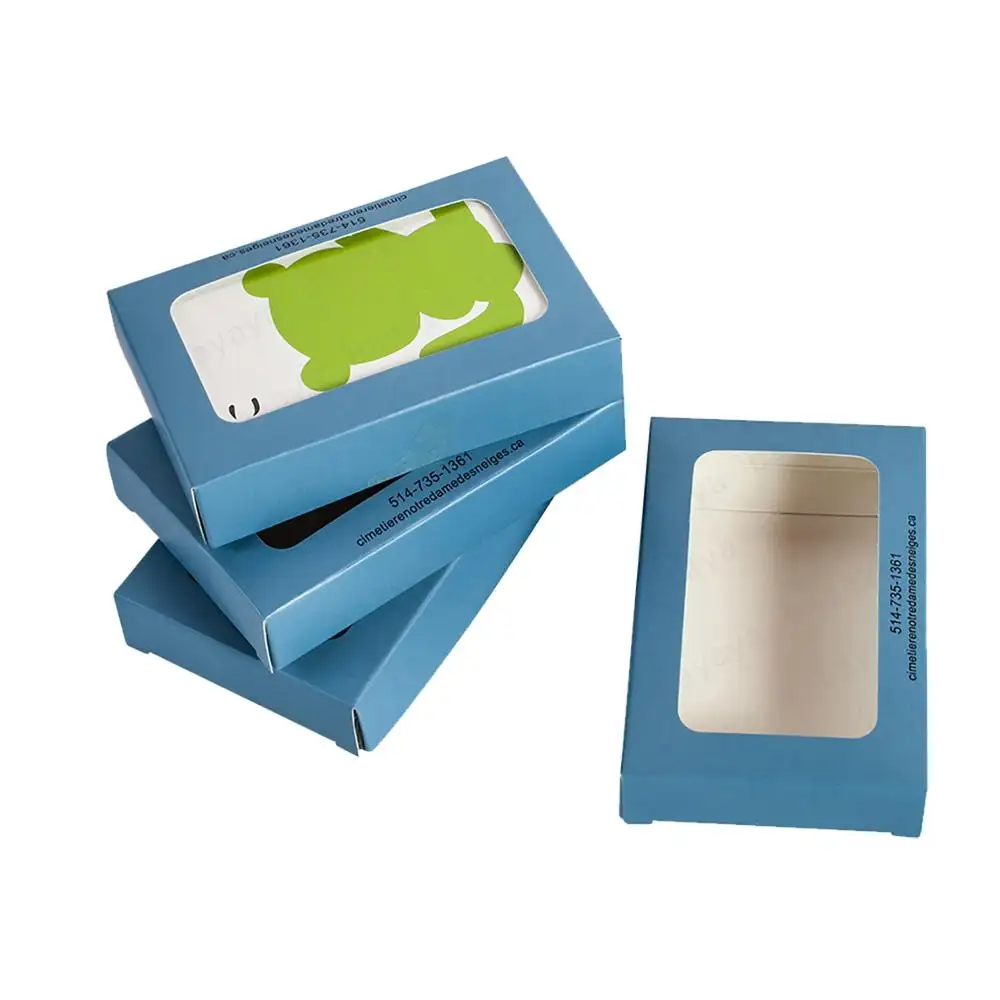 Cardboard is the most widely used material for board game boxes due to its versatility, cost-effectiveness, and printability.
Pros:
-
Lightweight yet sturdy
-
Easily customizable with printing and finishes
-
Cost-effective for large production runs
-
Available in various thicknesses for different needs
Cons:
-
Less durable than some alternatives
-
Can be susceptible to moisture damage
Best for: Most standard board games, especially those with moderate weight and size.
Kraft Paper
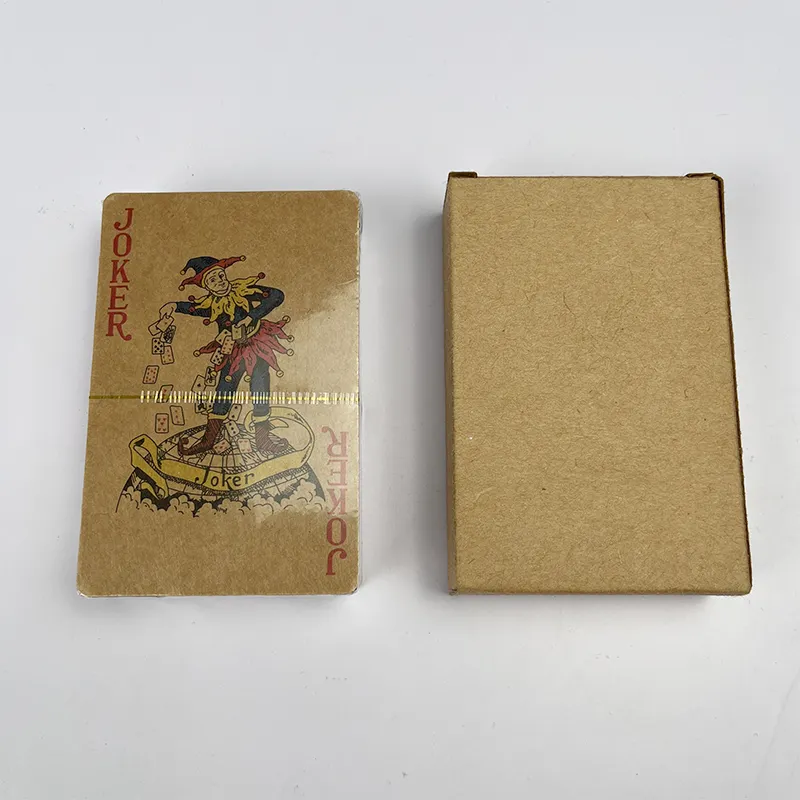 Kraft paper is a sturdy, unbleached paper that offers a natural, eco-friendly appearance.
Pros:
-
Environmentally friendly option
-
Provides a rustic, artisanal look
-
Good printability for darker inks
-
Relatively inexpensive
Cons:
-
Limited color options (typically brown)
-
May not be suitable for games requiring a glossy or vibrant appearance
Best for: Games with a natural or vintage theme, or those targeting eco-conscious consumers.
Corrugated Paper
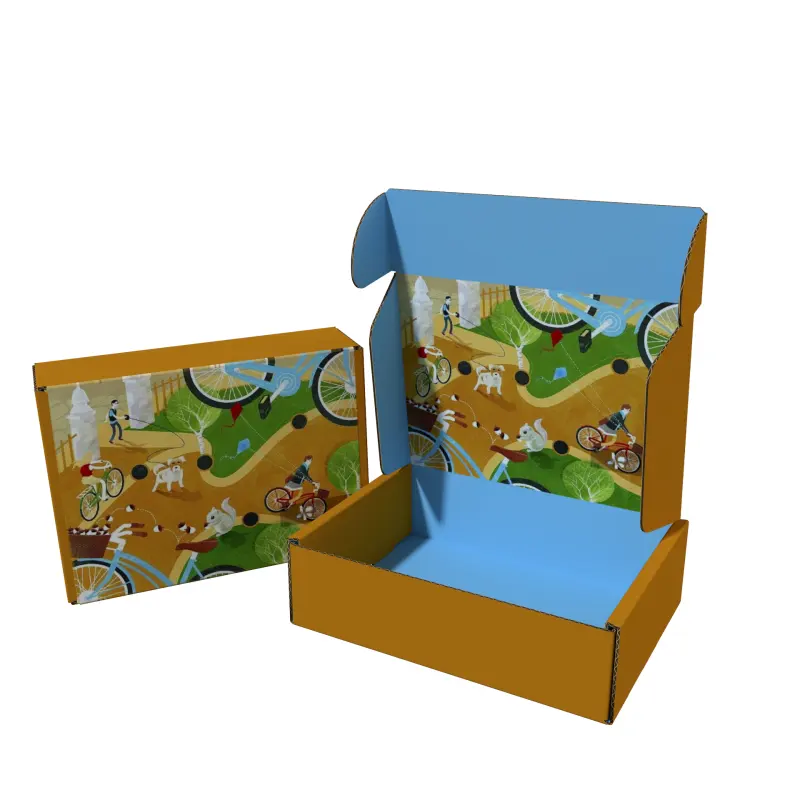 Corrugated paper, with its wavy inner layer, offers extra strength and protection.
Pros:
-
Excellent shock absorption for heavier games
-
Provides good insulation
-
Can be recycled easily
-
Available in various thicknesses
Cons:
-
Bulkier than solid cardboard
-
May require additional finishing for a smooth appearance
Best for: Heavier games with many components, or games that require extra protection during shipping.
Rigid Paperboard
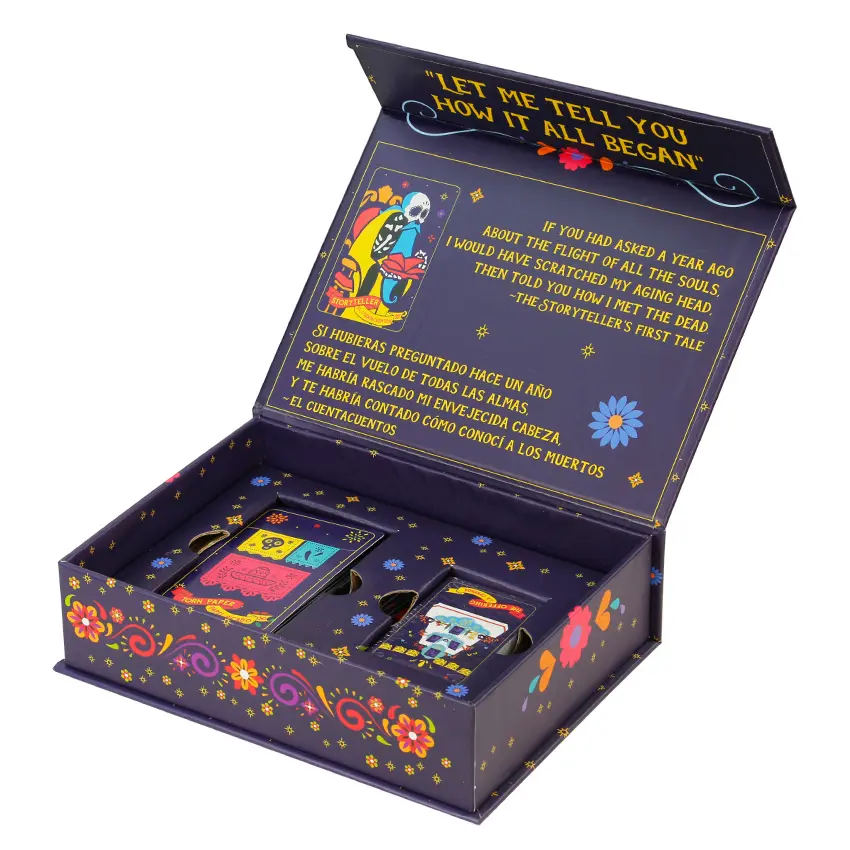 Rigid paperboard is a thick, dense material that offers superior strength and a premium feel.
Pros:
-
Very durable and long-lasting
-
Provides a high-quality, luxurious appearance
-
Excellent for embossing and special finishes
-
Holds shape well over time
Cons:
-
More expensive than standard cardboard
-
Heavier, which may increase shipping costs
Best for: High-end games, collector’s editions, or games targeting a premium market segment.
Considerations When Choosing Material
-
Game Weight and Size: Heavier games may require sturdier materials like corrugated paper or rigid paperboard.
-
Target Market: Premium markets may expect higher-quality materials, while budget-friendly games might opt for standard cardboard.
-
Theme and Aesthetics: The material should complement your game’s theme and visual design.
-
Production Budget: Balance the cost of materials with your overall production budget and target retail price.
-
Environmental Impact: Consider using recycled or easily recyclable materials if sustainability is a priority for your brand.
-
Printing Requirements: Some materials offer better print quality or options for special finishes.
-
Durability Needs: Think about how often the game will be played and in what conditions.
-
Storage Conditions: Consider how the material will hold up in various climates and storage situations.
-
Shipping Considerations: Heavier materials may increase shipping costs, which could affect your distribution strategy.
-
Regulatory Compliance: Ensure the chosen material meets any relevant safety or environmental regulations in your target markets.
Innovative Materials
As the board game industry evolves, some publishers are exploring innovative materials for their boxes:
-
Biodegradable Plastics: Offering the durability of plastic with reduced environmental impact.
-
Composite Materials: Combining different materials for optimal strength and printability.
-
Recycled Ocean Plastics: Using reclaimed plastic waste for an eco-friendly approach.
When selecting the material for your board game box, consider factors such as durability, visual appeal, cost, and sustainability. Additionally, ensure that the chosen material is compatible with any desired finishing techniques, such as embossing, debossing, or foil stamping.
Explore Other Custom Options
While the basic structure and material of your board game box are crucial, exploring additional custom options can significantly enhance the overall quality, functionality, and appeal of your packaging. These custom features can set your game apart on the shelf and contribute to a memorable unboxing experience.
Let’s delve into some custom options you might consider:
Custom Board Game Box Inserts
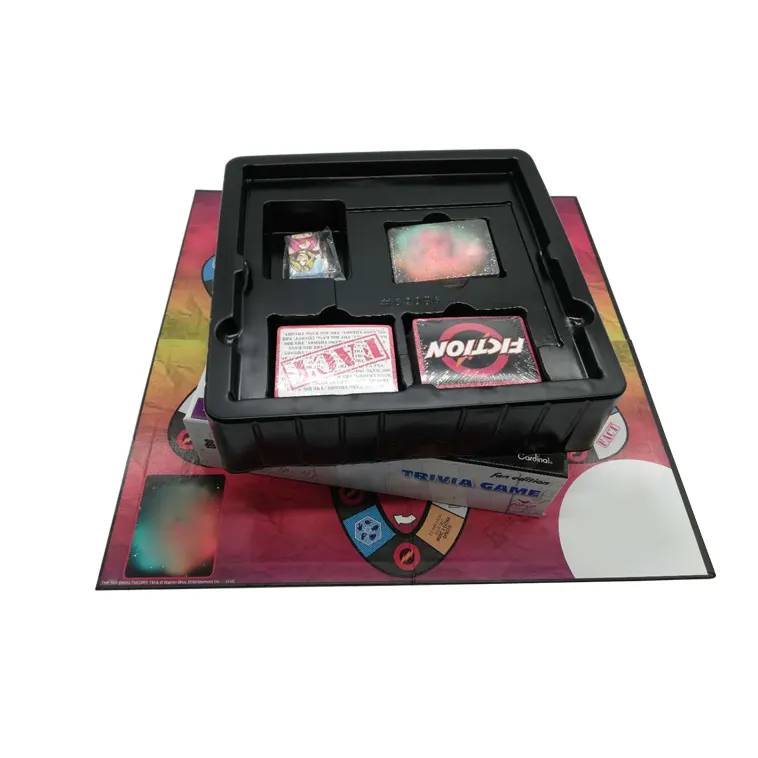
Inserts are internal structures designed to organize and protect game components. They can greatly improve the user experience and the longevity of your game.
|
|
|
|
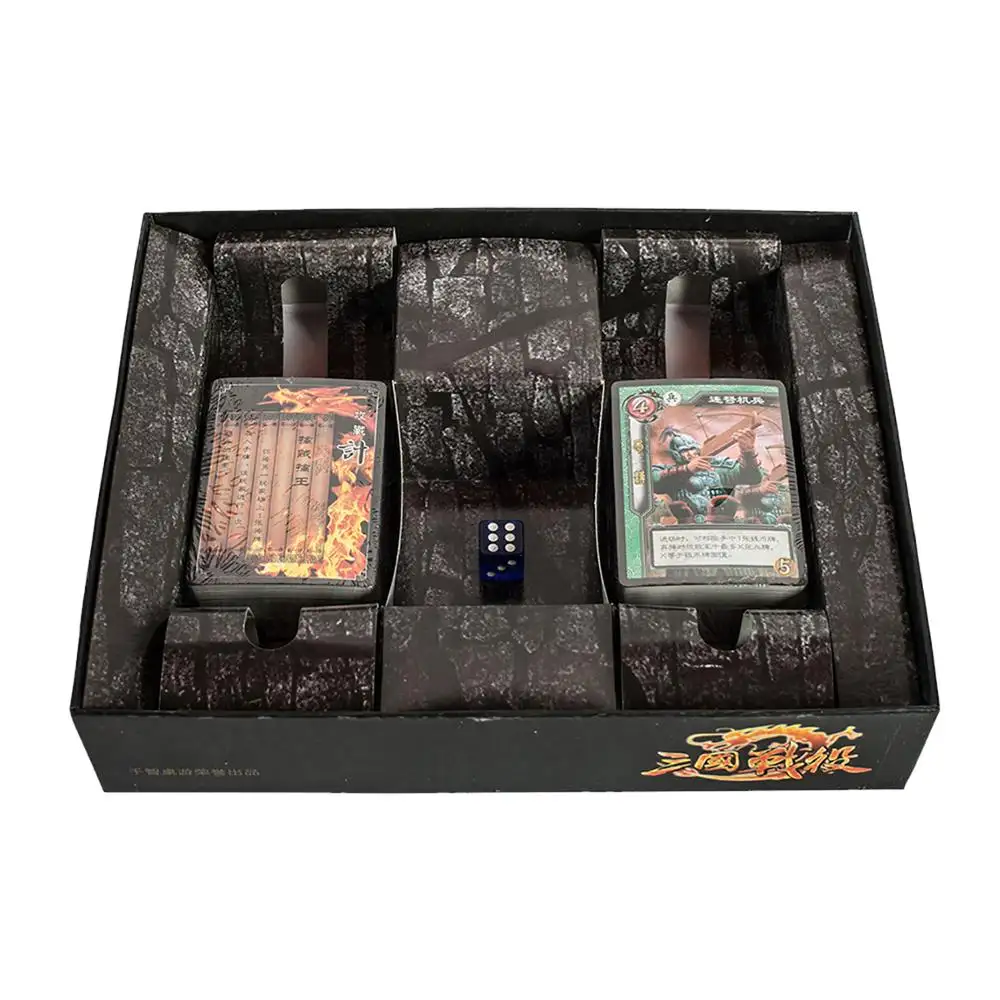
Paper/Cardboard Inserts:
-
Cost-effective and recyclable
-
Can be printed with additional graphics or instructions
-
Suitable for lighter components
EVA Foam Inserts:
-
Provide excellent protection for delicate components
-
Can be custom-cut to fit specific shapes
-
Offer a premium feel and appearance
Plastic Vacuum-Formed Inserts:
-
Durable and can be made transparent
-
Ideal for games with many small pieces
-
Can be designed with multiple levels for efficient storage
Custom-Molded Plastic Inserts:
-
Highly customizable for unique component shapes
-
Provide a professional, high-end look
-
Offer the best protection but can be more expensive
Board Game Box Finishing Touches
Various finishing techniques can enhance the visual appeal and durability of your box:
Lamination:
-
Gloss Lamination: Provides a shiny, reflective surface that makes colors pop
-
Matte Lamination: Offers a sophisticated, fingerprint-resistant finish
-
Soft-Touch Lamination: Adds a velvety texture for a luxurious feel
Spot UV:
-
Adds a glossy, raised effect to specific areas of the design
-
Can be used to highlight key elements or create textural contrast
Foil Stamping:
-
Applies metallic or pigmented foil to certain areas
-
Creates a eye-catching, premium look
-
Available in various colors and finishes (e.g., holographic)
Embossing/Debossing:
-
Raises or depresses areas of the box surface to create texture
-
Can be combined with foil stamping for added effect
Die-Cutting:
-
Creates custom shapes or windows in the box
-
Can reveal components or add interactive elements to the packaging
Printing and Production Considerations for Your Board Game Box
Once you have finalized the design and specifications for your board game box, it’s essential to consider the printing and production process to ensure a high-quality and consistent final product. Here are some key considerations:
Bleed and Margin
Ensure that your design files include appropriate bleed and margin settings to accommodate cutting and trimming during the production process. This will prevent any unintended white borders or trimmed elements on the final printed product.
Color Mode
Determine the appropriate color mode for your design files, such as CMYK (Cyan, Magenta, Yellow, Black) or Pantone colors, depending on the printing method and desired color accuracy.
Image Resolution
High-resolution images are essential for crisp and detailed graphics on your board game box. Ensure that all images in your design files are provided at the appropriate resolution (typically 300 dpi or higher) to avoid pixelation or blurriness.
Dielines
If your board game box design includes intricate folds, cuts, or creases, provide accurate dieline files to the printer. These files will ensure precise folding and cutting during the production process.
Vector Graphics
For text, logos, and other graphic elements, use vector graphics whenever possible. Vector files are scalable and will maintain their sharpness and quality, regardless of the print size or resolution.
File Format
Check with your printer or production partner for their preferred file formats, such as PDF, AI, or EPS. Providing the correct file format can streamline the production process and minimize potential compatibility issues.
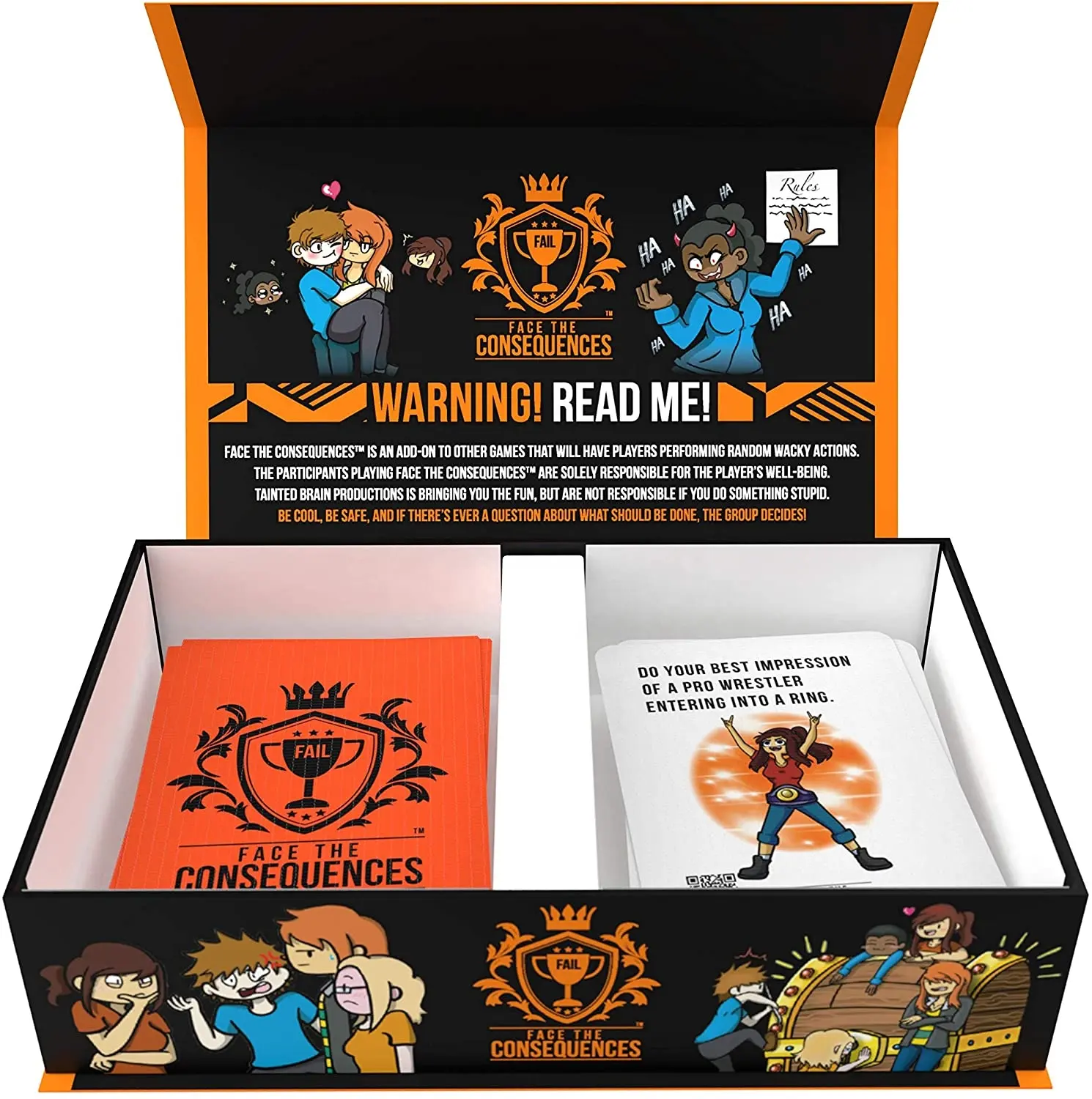
Custom Board Game Box with BookPrintingChina
At BookPrintingChina, we understand the importance of board game packaging and its role in creating a memorable gaming experience. Our team of experts is dedicated to providing high-quality custom board game and box printing solutions tailored to your specific needs.
Whether you’re an independent game designer or a larger company, we invite you to explore our comprehensive board game and box printing services. From concept to delivery, we’ll work closely with you to bring your vision to life, ensuring that every detail is meticulously crafted to perfection.
Contact us today to discuss your OEM board game box project and unlock a world of possibilities for your gaming masterpiece.
Reference:
How To Design Great Board Game Packaging, written by Aleksandra Owczarek