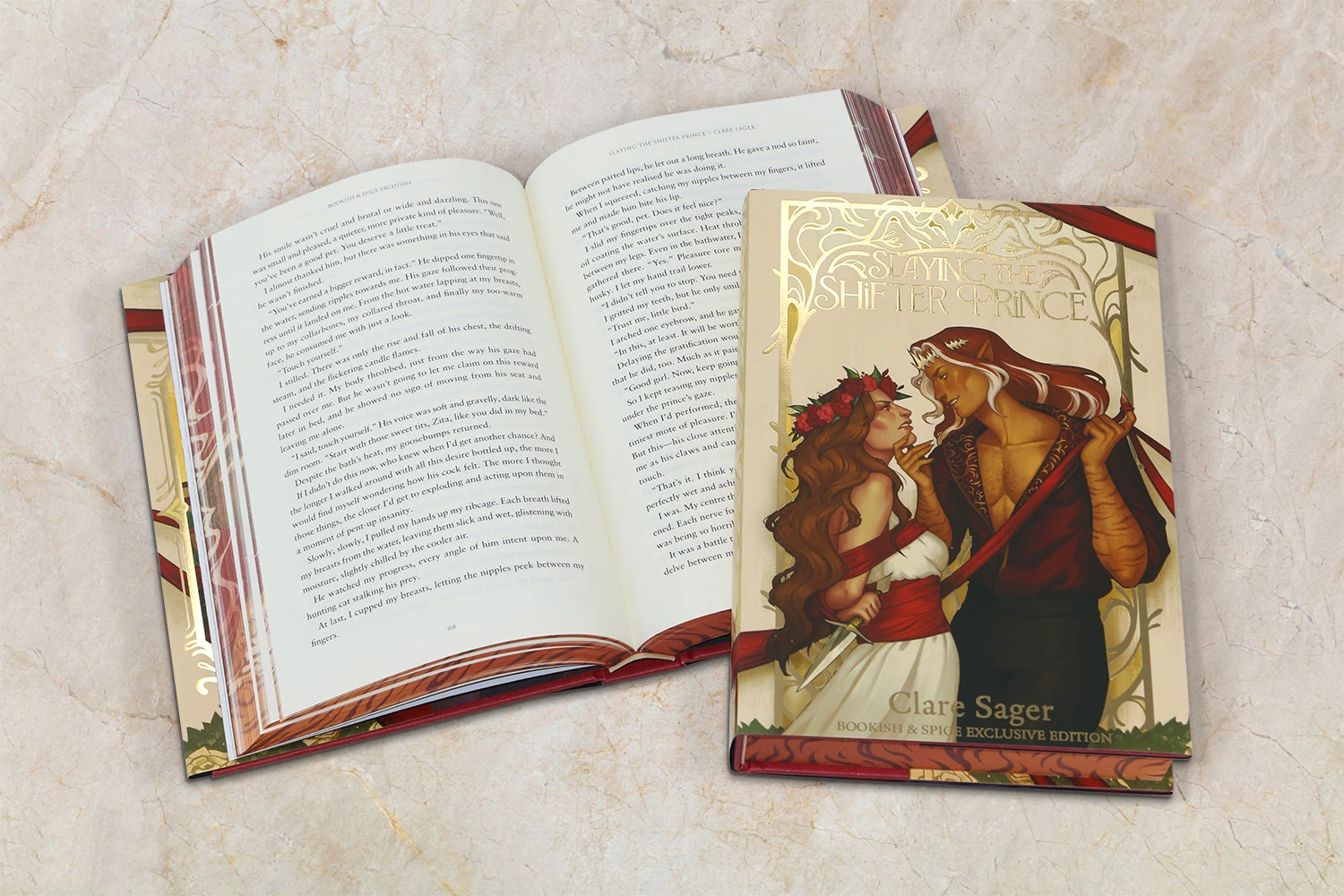



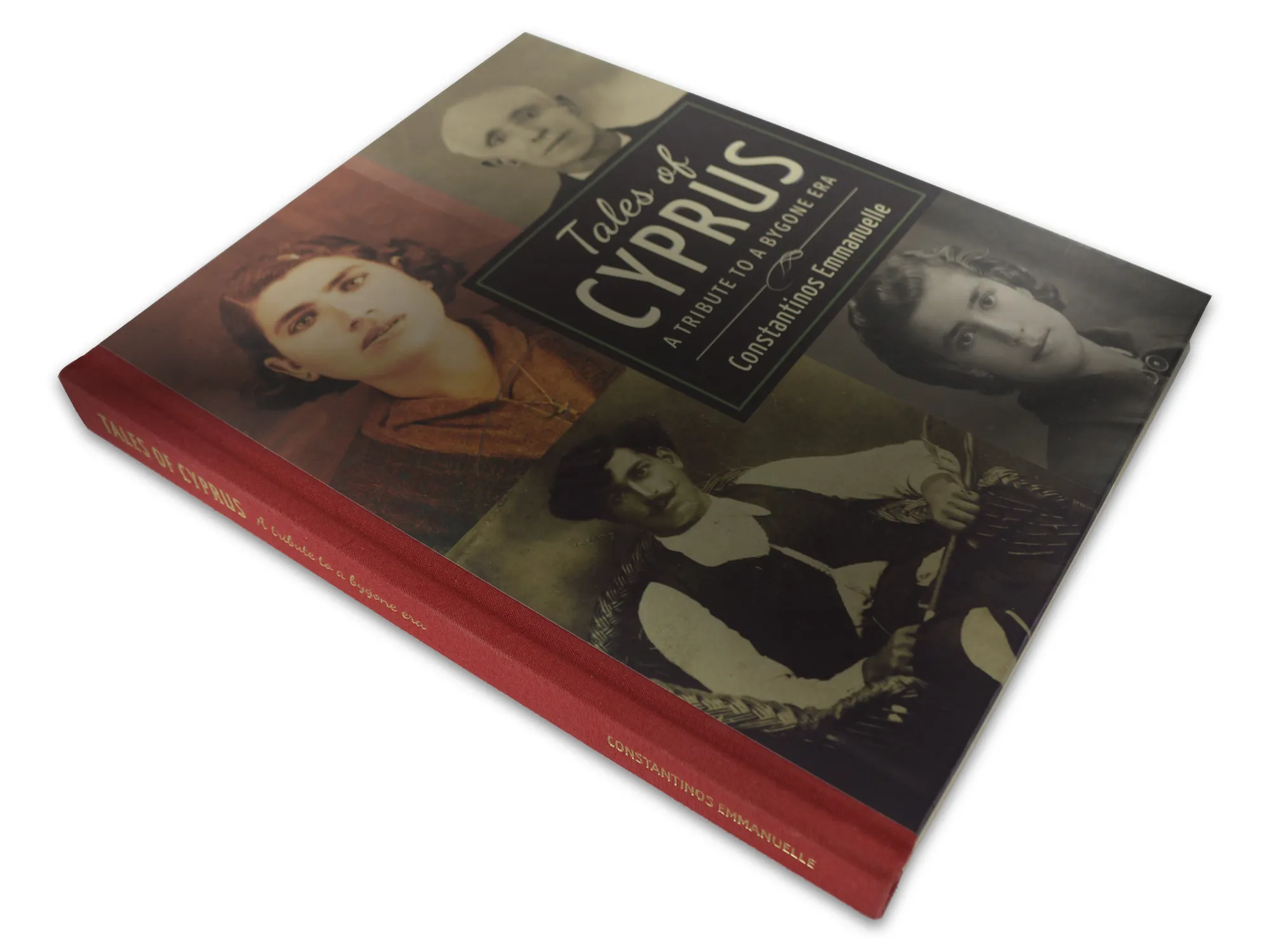
Memoir books offer a unique window into personal experiences, allowing authors to share their life stories in vivid detail. Whether you’re documenting family history, recounting a transformative journey, or reflecting on pivotal moments, crafting a memoir can be both challenging and rewarding. This comprehensive guide will walk you through the process of creating a captivating memoir book, from conceptualization to publication.
The art of memoir writing involves more than simply recounting events chronologically. It requires careful introspection, thoughtful narrative structuring, and the ability to connect with readers on an emotional level. As you embark on this literary journey, remember that your unique voice and perspective are what will set your memoir apart.
In the following sections, we’ll explore various aspects of memoir book writing, including choosing your focus, organizing your thoughts, developing your writing style, and designing an eye-catching cover. We’ll also delve into the technical aspects of book production, such as determining the ideal size for your memoir and navigating the publishing landscape.
Whether you’re a seasoned writer or a first-time author, this guide aims to provide valuable insights and practical tips to help you bring your memoir to life. So, let’s dive in and discover how to transform your personal experiences into a compelling narrative that resonates with readers.
Defining Your Memoir’s Purpose and Scope
Before putting pen to paper, it’s crucial to clearly define the purpose and scope of your memoir book. This foundational step will guide your writing process and help you create a cohesive narrative.
Identifying Your Central Theme
Every compelling memoir revolves around a central theme or message. This could be personal growth, overcoming adversity, cultural exploration, or any other significant aspect of your life experience. Take time to reflect on the core message you want to convey through your story.
Consider the following questions:
-
What life lessons have shaped you the most?
-
Which experiences have had the most profound impact on your worldview?
-
What unique insights can you offer readers based on your life journey?
By identifying your central theme, you’ll create a framework that ties your various anecdotes and reflections together, giving your memoir a sense of purpose and direction.
Determining Your Target Audience
Understanding who you’re writing for is crucial in shaping your memoir’s tone, content, and overall approach. Are you writing primarily for family members, hoping to preserve family history? Or do you aim to reach a broader audience with universal themes that resonate beyond your immediate circle?
Consider the following audience types:
-
Family and close friends
-
People who share similar experiences or backgrounds
-
General readers interested in personal growth stories
-
Individuals seeking inspiration or guidance
Knowing your target audience will help you decide which details to include, how much context to provide, and what tone to adopt in your writing.
Setting the Timeframe
Memoir books don’t necessarily need to cover your entire life. In fact, many powerful memoirs focus on a specific period or series of related events. Deciding on the timeframe for your memoir will help you structure your narrative and maintain focus.
Options for timeframes include:
-
A specific period (e.g., childhood, college years, a decade)
-
A series of pivotal moments spread across your life
-
A chronological account from birth to present day
-
A thematic approach that jumps between different time periods
Choose a timeframe that best serves your central theme and allows you to tell your story most effectively.
Establishing Boundaries
As you prepare to share personal experiences, it’s important to establish boundaries regarding what you’re comfortable revealing. Consider the potential impact of your revelations on yourself and others mentioned in your memoir.
Reflect on the following:
-
Which experiences are essential to your story, and which can be omitted?
-
How will you handle sensitive topics or potentially controversial events?
-
Are there legal considerations to keep in mind when discussing certain individuals or organizations?
Setting clear boundaries from the outset will guide your writing process and help you navigate potentially challenging aspects of memoir writing.

Organizing Your Memories and Research
Once you’ve defined the purpose and scope of your memoir book, the next step is to organize your memories and conduct any necessary research. This process will help you create a solid foundation for your writing.
Creating a Memory Bank
Start by creating a comprehensive list of memories, anecdotes, and experiences relevant to your memoir’s theme. This “memory bank” will serve as a valuable resource throughout your writing process.
Methods for building your memory bank:
-
Free writing sessions to jog your memory
-
Creating a timeline of significant events
-
Reviewing old photographs, letters, and journals
-
Talking with family members and friends to gather different perspectives
Don’t worry about organizing these memories just yet; the goal is to capture as many relevant details as possible.
Conducting Interviews
If your memoir involves other people or events you’re not entirely familiar with, consider conducting interviews to gather additional information and perspectives.
Tips for effective interviews:
-
Prepare a list of open-ended questions in advance
-
Use a recording device (with permission) to capture the conversation accurately
-
Follow up with clarifying questions to ensure you understand the details
-
Be respectful of others’ boundaries and memories, which may differ from yours
These interviews can provide valuable context and help you fill in gaps in your own recollections.
Fact-Checking and Research
While memoirs are based on personal experiences, it’s important to ensure accuracy, especially when discussing historical events or public figures. Conduct research to verify dates, locations, and other factual information.
Resources for fact-checking:
-
Historical records and archives
-
Newspaper articles and public records
-
Academic publications related to your memoir’s themes
-
Expert consultations for specialized topics
Accurate information lends credibility to your memoir and helps readers trust your narrative.
Organizing Your Material
With your memory bank, interview notes, and research in hand, it’s time to start organizing your material. This step will help you identify patterns, themes, and potential narrative structures for your memoir.
Organizational methods to consider:
-
Chronological order: Arranging events from earliest to latest
-
Thematic grouping: Clustering memories and information around central themes
-
Cause and effect: Linking events to show how one led to another
-
Flashback structure: Starting in the present and weaving in past events
Experiment with different organizational methods to find the one that best serves your story and central theme.

Crafting Your Memoir’s Narrative Structure
With your memories and research organized, it’s time to focus on crafting a compelling narrative structure for your memoir book. The way you arrange and present your experiences can significantly impact how readers engage with your story.
Choosing a Narrative Approach
There are several narrative approaches you can take when writing your memoir. The choice depends on your story, theme, and personal preference.
Common narrative approaches for memoirs:
-
Linear chronology: Telling your story from beginning to end in chronological order
-
Reverse chronology: Starting at the end and working backwards
-
Thematic structure: Organizing chapters around specific themes or lessons learned
-
Episodic structure: Presenting a series of loosely connected anecdotes or vignettes
-
Braided narrative: Weaving together multiple storylines or time periods
Consider which approach best serves your central theme and allows you to create the most engaging narrative for your readers.
Developing a Strong Opening
The opening of your memoir is crucial in capturing readers’ attention and setting the tone for your story. Consider starting with a powerful anecdote, a thought-provoking question, or a vivid description that encapsulates the essence of your memoir.
Elements of a strong opening:
-
Immediate engagement: Draw readers in from the first sentence
-
Thematic relevance: Introduce your central theme or conflict
-
Emotional connection: Evoke curiosity or empathy in your readers
-
Foreshadowing: Hint at the journey or transformation to come
Take time to craft and refine your opening, as it sets the stage for the rest of your memoir.
Creating a Narrative Arc
Even though your memoir is based on real events, it should still follow a narrative arc that keeps readers engaged. This arc typically includes:
-
Exposition: Introducing key characters, settings, and background information
-
Rising action: Building tension and introducing conflicts or challenges
-
Climax: The turning point or most intense moment in your story
-
Falling action: Showing the consequences of the climax and how it affects you
-
Resolution: Reflecting on lessons learned and how you’ve changed
As you structure your memoir book, ensure that each chapter or section contributes to this overall narrative arc.
Balancing Reflection and Action
A compelling memoir interweaves action (what happened) with reflection (how you felt about it and what you learned). Strive for a balance between describing events and sharing your thoughts and emotions about those experiences.
Tips for effective reflection:
-
Show, don’t tell: Use sensory details to convey emotions
-
Avoid excessive navel-gazing: Keep reflections relevant to your central theme
-
Connect past and present: Draw links between past events and your current perspective
-
Be honest: Share genuine insights, even if they’re uncomfortable or unflattering
Remember, your unique perspective and personal growth are what make your memoir valuable to readers.
Developing Your Writing Style and Voice
Your writing style and voice are what make your memoir uniquely yours. Developing a consistent and engaging voice will help readers connect with your story on a deeper level.
Finding Your Authentic Voice
Your memoir should sound like you, not like someone else or how you think a writer should sound. To find your authentic voice, try the following:
-
Write as if you’re talking to a close friend
-
Read your writing aloud to check if it sounds natural
-
Avoid using overly formal language unless it’s part of your personality
-
Embrace your quirks and unique way of expressing yourself
Remember, your voice may evolve as you write. Be open to this evolution and let your authentic self shine through your words.
Using Descriptive Language
Vivid descriptions help bring your memoir to life, allowing readers to immerse themselves in your experiences. Focus on sensory details that evoke sight, sound, smell, taste, and touch.
Tips for descriptive writing:
-
Use specific, concrete details rather than vague generalizations
-
Employ metaphors and similes to create powerful imagery
-
Vary your sentence structure to maintain reader interest
-
Choose strong verbs that convey action and emotion precisely
Remember, the goal is to paint a picture with words, enabling readers to see and feel what you experienced.
Incorporating Dialogue
Dialogue can add dynamism to your memoir book, breaking up descriptive passages and bringing characters to life. While you may not remember exact conversations from years ago, you can recreate dialogue that captures the essence of interactions.
Guidelines for effective dialogue:
-
Keep it natural and true to each person’s way of speaking
-
Use dialogue to reveal character traits and relationships
-
Avoid long speeches; break up dialogue with action or description
-
Use dialogue tags sparingly, relying on context when possible
Well-crafted dialogue can provide insight into relationships and add authenticity to your narrative.
Maintaining Consistency
As you develop your writing style, strive for consistency throughout your memoir book. This doesn’t mean every sentence should sound the same, but there should be a cohesive feel to your writing.
Aspects to keep consistent:
-
Tone (e.g., humorous, reflective, matter-of-fact)
-
Point of view (typically first-person for memoirs)
-
Tense (past tense is common, but present tense can add immediacy)
-
Level of formality or informality
Consistency in these areas will help create a smooth reading experience and reinforce your unique voice.
Addressing Sensitive Topics and Ethical Considerations
Writing a memoir often involves addressing sensitive topics and navigating complex ethical considerations. It’s important to approach these aspects thoughtfully and responsibly.
Handling Difficult Memories
Recounting painful or traumatic experiences can be emotionally challenging. Take care of your mental health as you explore these memories.
Strategies for handling difficult memories:
-
Write in short sessions to avoid emotional overwhelm
-
Seek support from a therapist or trusted friend
-
Allow yourself to take breaks when needed
-
Consider writing about traumatic events in third person initially
Remember, it’s okay to set boundaries around what you’re willing to share and how deeply you delve into certain experiences.
Protecting Others’ Privacy
While your memoir is your story, it inevitably involves other people. Consider how your portrayal of others might affect them and their privacy.
Tips for respecting others’ privacy:
-
Change names and identifying details when necessary
-
Focus on your perspective rather than speculating about others’ motivations
-
Consider showing relevant sections to those involved before publication
-
Be prepared to make changes if someone objects to their portrayal
Striking a balance between honesty and respect for others’ privacy is crucial in memoir writing.
Fact vs. Memory
Memory is subjective, and your recollections may differ from others’ or from documented facts. Be transparent about the nature of memory and acknowledge potential discrepancies.
Approaches to addressing memory’s subjectivity:
-
Use phrases like “as I remember it” or “to the best of my recollection”
-
Acknowledge when your memory conflicts with others’ accounts
-
Fact-check important details and be willing to correct errors
-
Consider including an author’s note addressing memory and truth in memoir writing
Honesty about the limitations of memory can enhance your credibility and deepen readers’ trust.
Legal Considerations
Be aware of potential legal issues that may arise from publishing your memoir book, especially if you’re discussing public figures or sensitive information.
Legal aspects to consider:
-
Defamation laws and the potential for libel claims
-
Copyright issues when quoting songs, books, or other copyrighted material
-
Privacy laws, particularly when discussing minors or private individuals
-
Contracts or non-disclosure agreements that may limit what you can share
When in doubt, consult with a literary lawyer to ensure your memoir doesn’t put you at legal risk.
Designing Your Memoir Book Cover
Your memoir’s cover is the first thing potential readers will see, making it a crucial element in attracting attention and conveying the essence of your story. A well-designed cover can significantly impact your book’s success.

Understanding Cover Design Principles
Effective book covers follow certain design principles that help them stand out and communicate effectively.
Key design principles for memoir book covers:
-
Simplicity: Avoid cluttering the cover with too many elements
-
Hierarchy: Emphasize the most important information (typically title and author name)
-
Contrast: Use color and typography to create visual interest
-
Relevance: Ensure the design reflects the tone and content of your memoir
Remember, your cover should work well both as a full-size image and as a small thumbnail on online bookstores.
Choosing Imagery and Typography
The imagery and typography you choose for your cover should align with your memoir’s theme and tone.
Considerations for imagery:
-
Personal photographs (if relevant and high-quality)
-
Symbolic images that represent key themes
-
Abstract designs that evoke a mood or emotion
-
Landscapes or objects that relate to your story
Typography considerations:
-
Font choice that reflects the tone of your memoir
-
Legibility, especially for the title and author name
-
Balance between different text elements
-
Creative use of typography as a design element
Experiment with different combinations of imagery and typography to find what best represents your memoir.
Working with a Professional Designer
While it’s possible to design your own cover, working with a professional designer can elevate the quality and impact of your memoir’s presentation.
Benefits of professional design:
-
Expertise in current book cover trends
-
Understanding of what works in different book markets
-
Technical skills to create a polished, professional look
-
Fresh perspective on visual representation of your story
If budget allows, consider hiring a designer experienced in memoir book covers to create a compelling design for your book.
Creating Multiple Cover Concepts
Don’t settle on the first cover design you create or receive. Develop multiple concepts to explore different visual approaches to your memoir.
Steps for creating multiple concepts:
-
Brainstorm different visual themes related to your memoir
-
Sketch rough ideas for each theme
-
Create digital mockups of your favorite concepts
-
Gather feedback from trusted friends, family, or writing groups
-
Refine the most promising concepts based on feedback
By exploring multiple options, you’re more likely to arrive at a cover design that truly captures the essence of your memoir book.
Determining the Ideal Size and Format for Your Memoir
The physical aspects of your memoir book, including its size and format, play a crucial role in reader experience and production costs. Choosing the right size and format can enhance your memoir’s appeal and accessibility.
Standard Memoir Book Sizes
While there’s no one-size-fits-all approach, certain book sizes are more common for memoirs.
Popular memoir book sizes:
-
5.5″ x 8.5″ (Trade Paperback)
-
6″ x 9″ (Standard Hardcover)
-
5″ x 8″ (Mass Market Paperback)
-
7″ x 10″ (Large Format)
Consider factors like readability, portability, and shelf presence when choosing your book size. Also, keep in mind that non-standard sizes may incur additional printing costs.
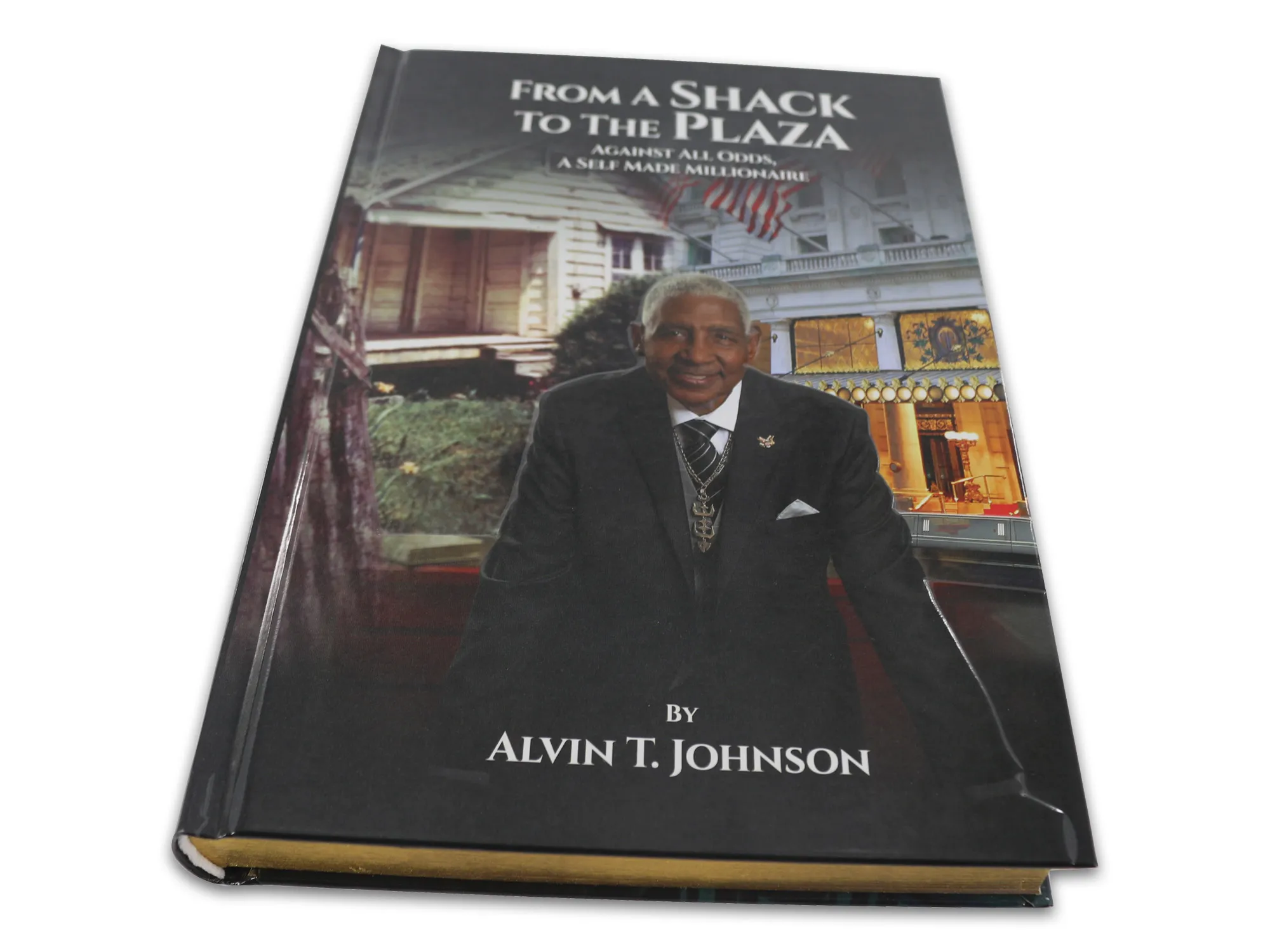
Choosing Between Hardcover and Paperback
The choice between hardcover and paperback depends on your target audience, budget, and distribution goals.
Hardcover considerations:
-
Perceived as more prestigious
-
Higher durability and quality feel
-
Typically more expensive to produce
-
Often preferred for gift-giving
Paperback considerations:
-
More affordable to produce and purchase
-
Lighter and more portable
-
Easier to distribute widely
-
Popular for mass-market appeal
Many authors choose to release their memoir in hardcover book printing first, followed by a paperback edition later.
E-book Formatting
In today’s digital age, offering an e-book version of your memoir is crucial for reaching a wider audience.
E-book formatting tips:
-
Ensure proper paragraph and chapter breaks
-
Use a clean, readable font
-
Optimize images for digital display
-
Include hyperlinked table of contents for easy navigation
-
Test your e-book on multiple devices and platforms
Consider hiring a professional e-book formatter to ensure your memoir looks great across various e-readers and devices.
Special Formatting Considerations
Depending on the nature of your memoir, you may need to consider special formatting options.
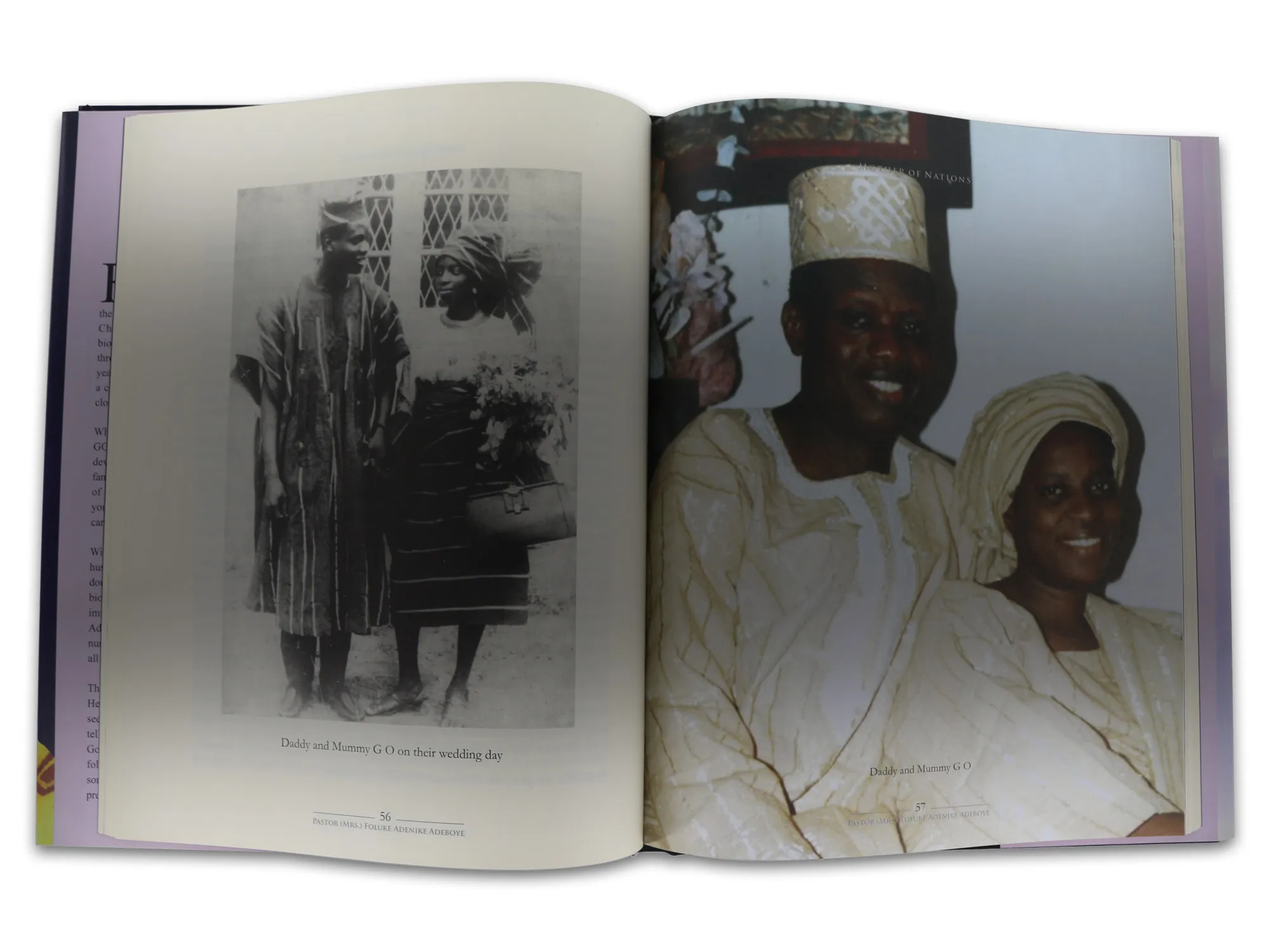
Special format considerations:
-
Including photographs or illustrations
-
Incorporating letters, diary entries, or other documents
-
Using different fonts or text styles to differentiate timelines or perspectives
-
Adding footnotes or endnotes for additional context
Discuss these special formatting needs with your designer or formatter to ensure they’re executed effectively.
Editing and Refining Your Memoir
Once you’ve completed your first draft, the editing process begins. This crucial stage helps polish your writing, tighten your narrative, and ensure your memoir book is as compelling as possible.
Self-Editing Techniques
Before seeking outside input, take time to self-edit your memoir. This initial pass can help you identify and address major issues.
Self-editing tips:
-
Take a break before editing to approach your work with fresh eyes
-
Read your memoir aloud to catch awkward phrasing or rhythm issues
-
Check for consistency in tone, voice, and narrative flow
-
Look for areas where you can show rather than tell
-
Eliminate unnecessary words and phrases to tighten your prose
Remember, self-editing is just the first step in the revision process.
Working with Beta Readers
Beta readers can provide valuable feedback on your memoir from a reader’s perspective. Choose individuals who represent your target audience and can offer constructive criticism.
Guidelines for working with beta readers:
-
Provide specific questions or areas of focus for feedback
-
Be open to honest opinions, even if they’re challenging to hear
-
Look for patterns in feedback from multiple readers
-
Consider how feedback aligns with your memoir’s goals and vision
Beta reader input can help you identify areas that need clarification or improvement before professional editing.
Professional Editing Services
Investing in professional editing can significantly enhance the quality of your memoir. Different types of editing serve different purposes.
Types of professional editing:
-
Developmental editing: Focuses on big-picture issues like structure and narrative arc
-
Line editing: Addresses sentence-level issues, improving flow and style
-
Copy editing: Corrects grammar, punctuation, and consistency issues
-
Proofreading: Final check for typos and formatting errors
Consider which type(s) of editing your memoir needs based on your writing experience and budget.
Incorporating Feedback and Revisions
After receiving feedback from beta readers and/or professional editors, it’s time to revise your memoir.
Revision strategies:
-
Prioritize changes based on their impact on your overall narrative
-
Address structural issues before diving into line-level edits
-
Be willing to cut or rework sections that don’t serve your memoir’s purpose
-
Keep your central theme and target audience in mind as you revise
Remember, revision is an iterative process. You may go through several rounds of editing and revision before your memoir is ready for publication.
Publishing Options for Your Memoir
Once your memoir is polished and ready for the world, it’s time to consider your publishing options. Each path has its own advantages and challenges, so it’s important to choose the one that best aligns with your goals and resources.
Traditional Publishing
Traditional publishing involves submitting your memoir to literary agents or publishing houses in hopes of securing a book deal.
Pros of traditional publishing:
-
Professional editing, design, and marketing support
-
Wider distribution channels
-
Potential for advances and royalties
-
Prestige associated with established publishers
Cons of traditional publishing:
-
Highly competitive and often lengthy process
-
Less control over creative decisions
-
Lower royalty percentages compared to self-publishing
-
Potential for your memoir to be rejected
If you choose this route, research literary agents who represent memoirs and follow their submission guidelines carefully.
Self-Publishing
Self-publishing gives you complete control over your memoir’s production and distribution but requires more upfront work and investment.
Pros of self-publishing:
-
Full creative control over content and design
-
Higher royalty percentages
-
Faster time to market
-
Retention of all rights to your work
Cons of self-publishing:
-
Upfront costs for editing, design, and printing
-
Responsibility for marketing and distribution
-
Limited access to traditional distribution channels
Popular self-publishing platforms include Amazon’s Kindle Direct Publishing, IngramSpark, and Barnes & Noble Press.
Hybrid Publishing
Hybrid publishing combines elements of traditional and self-publishing, often offering professional services for a fee while allowing authors to retain more control and higher royalties.
Considerations for hybrid publishing:
-
Research the reputation of hybrid publishers carefully
-
Understand what services are included and at what cost
-
Compare the offering to self-publishing services to ensure value
-
Be wary of companies that charge high fees without offering significant advantages
Hybrid publishing can be a good middle ground for authors who want professional support but more control than traditional publishing offers.
Print-on-Demand Services
Print-on-demand (POD) services allow you to print books as they’re ordered, reducing upfront costs and inventory management.
Benefits of print-on-demand:
-
Low initial investment
-
No need to store inventory
-
Ability to make changes easily
-
Wide distribution through online retailers
Marketing and Promoting Your Memoir
Once your memoir is published, the next challenge is getting it into the hands of readers. Effective marketing and promotion can significantly impact your book’s success.
Building Your Author Platform
An author platform is your ability to reach and engage with potential readers. Start building your platform early, even before your memoir is published.
Elements of a strong author platform:
-
Author website with blog
-
Social media presence on relevant platforms
-
Email newsletter for direct communication with readers
-
Speaking engagements or workshops related to your memoir’s themes
-
Guest posts or interviews on relevant blogs or podcasts
Consistently engage with your audience and share content related to your memoir’s themes to build interest and credibility.
Leveraging Social Media
Social media can be a powerful tool for connecting with readers and promoting your memoir.
Social media strategies for authors:
-
Choose platforms where your target audience is active
-
Share behind-the-scenes glimpses of your writing process
-
Post excerpts or teasers from your memoir
-
Engage with other authors and readers in your genre
-
Use relevant hashtags to increase visibility
Remember to balance promotional content with genuine engagement and value for your followers.
Organizing Book Launch Events
A well-planned book launch can generate excitement and boost initial sales of your memoir.
Book launch ideas:
-
Host a reading and signing at a local bookstore or library
-
Organize a virtual launch party with readings and Q&A
-
Collaborate with relevant organizations for themed events
-
Offer pre-order incentives or special edition copies
-
Create a book trailer to share on social media and your website
Consider both in-person and virtual events to reach a wider audience.
Seeking Reviews and Media Coverage
Reviews and media coverage can lend credibility to your memoir and increase its visibility.
Strategies for gaining reviews and coverage:
-
Send advance review copies to book bloggers and reviewers
-
Reach out to local media outlets for interviews or features
-
Submit your memoir for relevant book awards
-
Engage with book clubs and offer to participate in discussions
-
Leverage your personal network for word-of-mouth promotion
Remember to follow submission guidelines and be professional in all your interactions with media and reviewers.
Bringing Your Memoir Book to Life
Creating a memoir book is a deeply personal and often transformative journey. From defining your purpose to marketing your finished book, each step requires thoughtful consideration and dedication. Remember that your unique experiences and perspective are what make your memoir valuable to readers.
As you embark on this journey, stay true to your voice and the story you want to tell. Be patient with the process, as writing and refining a memoir takes time. Embrace the challenges and growth opportunities that come with sharing your life story.
Whether you choose traditional publishing, self-publishing, or a hybrid approach, remember that getting your memoir into the hands of readers is just the beginning. Your story has the power to touch lives, offer new perspectives, and create connections across diverse experiences.
As you move forward, remember that BookPrintingChina can assist you in bringing your memoir to life through high-quality, affordable printing services.With our care to detail and state-of-art printing and binding technology, we can make sure your memoir book is unique and premium quality that impress your readers. Any question, feel free to contact us, our team of experts are here to help.