



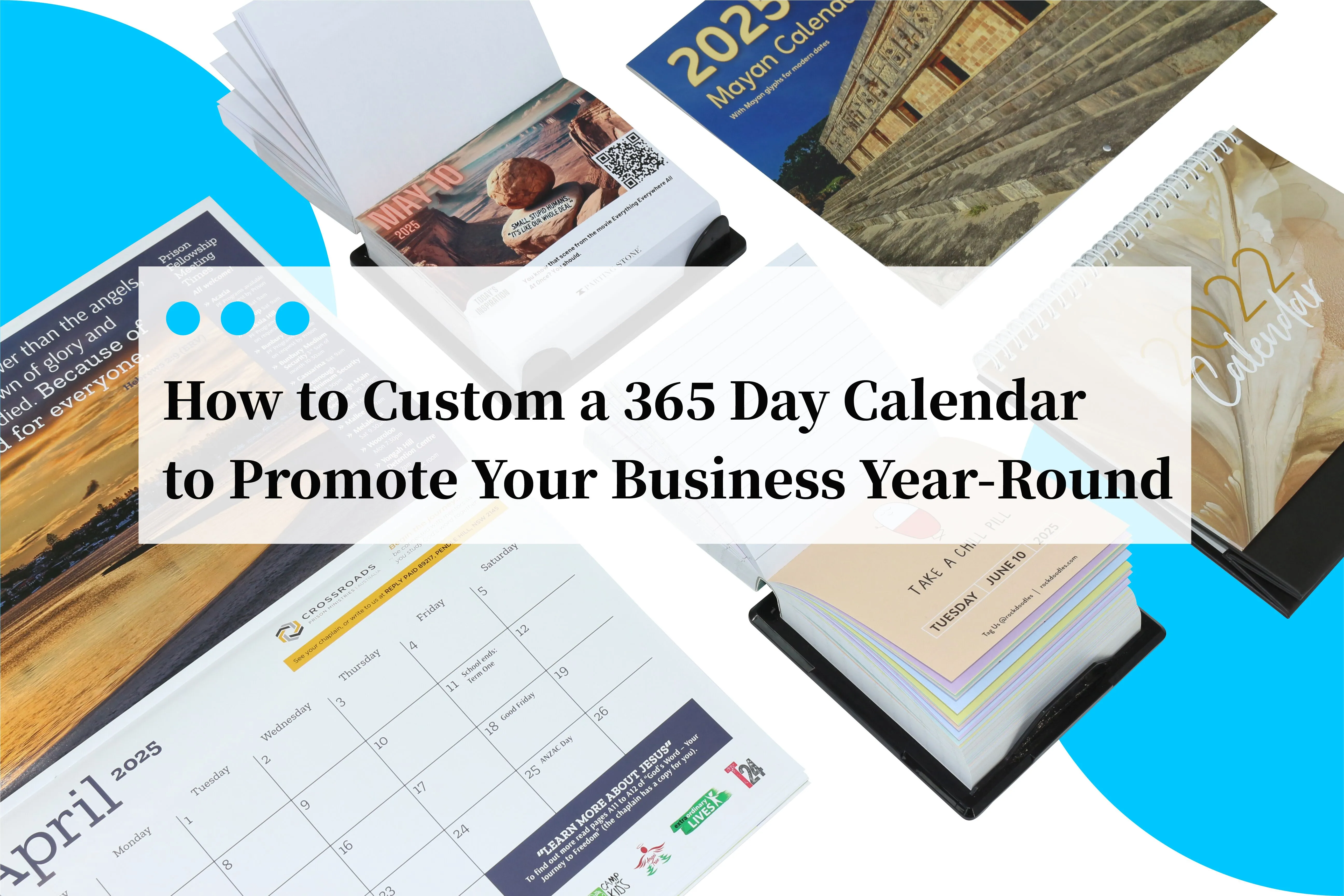
Let’s dive in and discover how you can harness the power of a custom 365 day calendar to elevate your marketing efforts and keep your business top-of-mind throughout the year.
In today’s competitive business landscape, finding innovative ways to promote your brand and stay connected with your audience is crucial. One often overlooked yet powerful marketing tool is the custom 365 day calendar. This versatile promotional item offers a unique opportunity to showcase your business, products, and services while providing value to your customers throughout the entire year. By creating a personalized calendar, you can ensure that your brand remains visible and relevant to your target audience on a daily basis.
A custom 365 day calendar is more than just a practical tool for keeping track of dates; it’s a strategic marketing asset that can significantly boost your brand awareness and customer engagement. Whether you opt for a tear-off style, a poster format, or a more elaborate design, a well-crafted calendar can serve as a constant reminder of your business and its offerings.
In this comprehensive guide, we’ll explore the numerous benefits of creating a custom 365 day calendar for your business, and provide you with expert tips and strategies to design, produce, and leverage this powerful marketing tool effectively. From aligning your calendar with your brand identity to incorporating seasonal promotions and showcasing your products, we’ll cover everything you need to know to create a calendar that not only promotes your business but also adds value to your customers’ daily lives.
Why a 365-day Calendar is Important for Business Promotion

A custom 365 day calendar is an invaluable asset for businesses looking to maintain a consistent presence in their customers’ lives. Unlike other promotional materials that may be quickly discarded or forgotten, a well-designed calendar has the potential to engage your audience every single day of the year. This constant visibility can significantly impact brand recall and foster a stronger connection between your business and its customers.
One of the primary advantages of custom 365 day calendar for your business is its ability to serve as a daily reminder of your brand. Each time a customer flips to a new page or tears off yesterday’s date, they’re exposed to your logo, company colors, and key messages. This repeated exposure helps reinforce your brand identity and keeps your business at the forefront of their minds, increasing the likelihood that they’ll think of you when they need products or services in your industry.
Moreover, a custom 365 day calendar offers a unique opportunity to provide value to your customers beyond just displaying dates. By incorporating useful information, inspirational quotes, industry tips, or even exclusive promotional codes, you can transform your calendar into a resource that your customers look forward to engaging with each day. This added value not only enhances the perceived worth of your calendar but also positions your brand as helpful and customer-focused.
Another crucial aspect of using a 365 day calendar tailored to your business is its ability to showcase your expertise and authority in your field. By including industry-specific information, trends, or important dates relevant to your sector, you demonstrate your knowledge and commitment to keeping your customers informed. This can help establish trust and credibility, positioning your business as a go-to resource in your industry.
Furthermore, a custom calendar allows you to strategically highlight your products or services throughout the year. You can align specific offerings with relevant seasons or events, ensuring that your promotions are timely and contextually appropriate. For instance, a fitness equipment company might feature new workout gear in January to coincide with New Year’s resolutions, while a travel agency could showcase tropical destinations during the winter months.
Lastly, the longevity of a 365 day calendar means that your marketing efforts have a lasting impact. Unlike digital ads or social media posts that may be seen only briefly, a physical calendar remains in your customer’s space for an entire year. This extended presence provides numerous opportunities for your brand to make an impression and influence purchasing decisions over time.
In essence, a custom 365 day calendar is a powerful, multi-faceted marketing tool that combines brand visibility, customer engagement, and value provision in a single, enduring format.
Aligning Your Calendar with Your Brand Identity
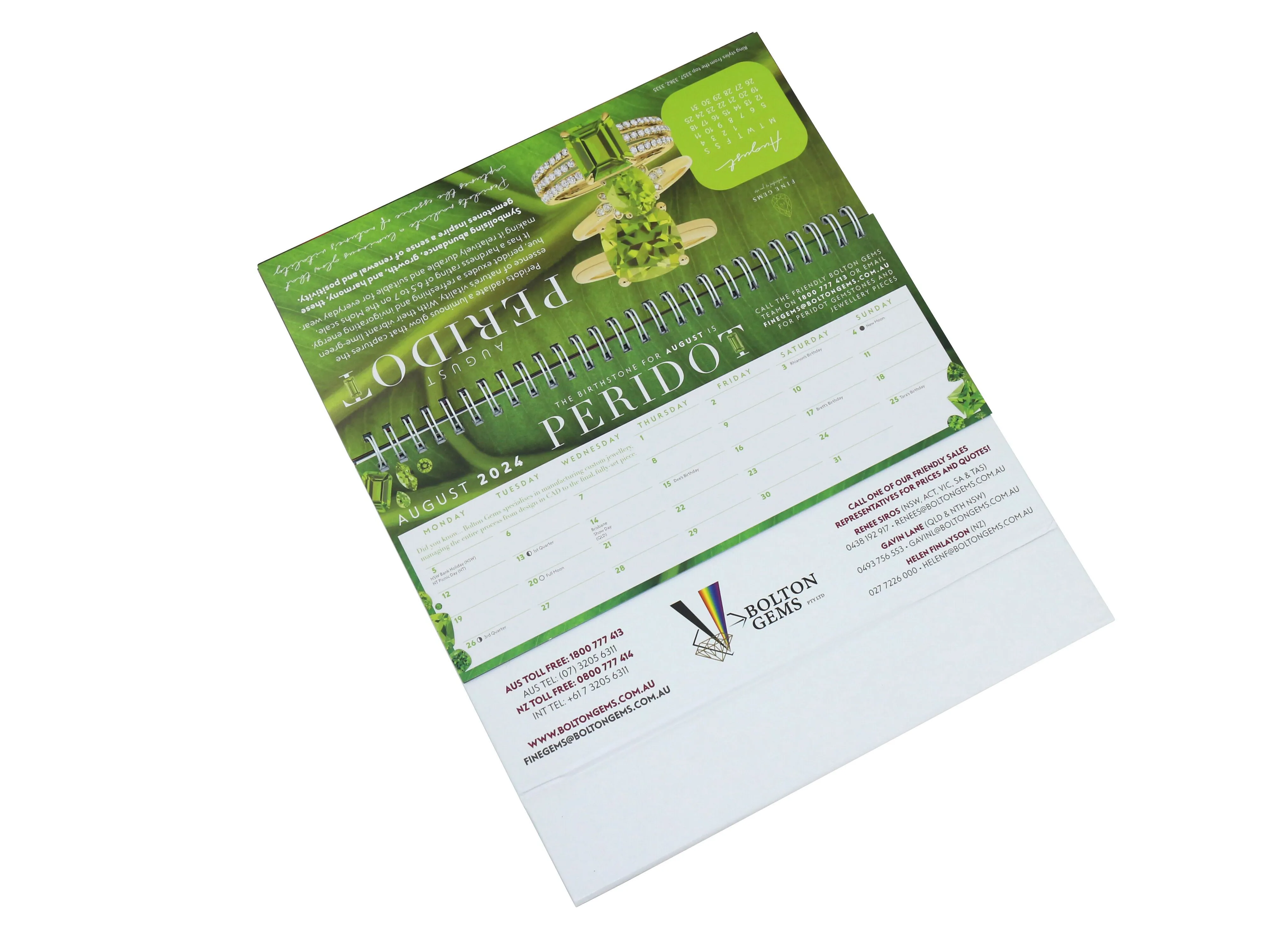
Bespoke 365 day calendar that truly represents your business requires careful consideration of your brand identity. This alignment ensures that every page of your calendar reinforces your company’s values, aesthetics, and messaging, creating a cohesive and memorable brand experience for your customers.
Consider Your Brand’s Visual Elements
Your calendar should incorporate your company’s logo, color scheme, and typography consistently throughout its design. This visual consistency helps reinforce brand recognition and makes your calendar instantly identifiable as a representation of your business.
For example, if your brand is known for its vibrant and energetic personality, use bold colors and dynamic layouts. Conversely, if your brand exudes sophistication and professionalism, opt for a more subdued color palette and clean, minimalist designs.
Reflect Your Brand’s Voice and Tone
Whether your brand communication style is formal, casual, humorous, or inspirational, ensure that any text, quotes, or information included in your calendar aligns with this established voice. This consistency in communication helps reinforce your brand’s personality and creates a sense of familiarity for your audience.
Consider incorporating your brand’s mission or core values into the calendar’s design or content. For instance, if environmental sustainability is a key aspect of your brand identity, you could use recycled paper for your calendar and include tips for eco-friendly living throughout the year. This not only reinforces your brand’s commitment to its values but also resonates with customers who share similar beliefs.
Showcase Your Industry Expertise
Include relevant information, facts, or tips related to your field on each page. This positions your brand as a knowledgeable authority in your industry and adds value to your calendar beyond its basic function of tracking dates.
Don’t forget to consider your target audience when designing your calendar. The overall aesthetic and content should appeal to your ideal customers and reflect their interests and needs. For example, if your target audience consists primarily of busy professionals, you might include time management tips or motivational quotes to start each day.
Tell Your Brand’s Story
You could highlight key milestones in your company’s history, showcase customer testimonials, or feature behind-the-scenes glimpses of your business operations. This storytelling approach helps build a deeper connection with your audience and gives them a reason to engage with your calendar daily.
By carefully aligning every aspect of your custom 365 day calendar with your brand identity, you create a powerful marketing tool that not only promotes your business but also strengthens your brand image and fosters a stronger connection with your audience. This thoughtful approach ensures that your calendar becomes an extension of your brand, working tirelessly to reinforce your message and values throughout the entire year.
Key Elements to Include in Your Custom Business Calendar
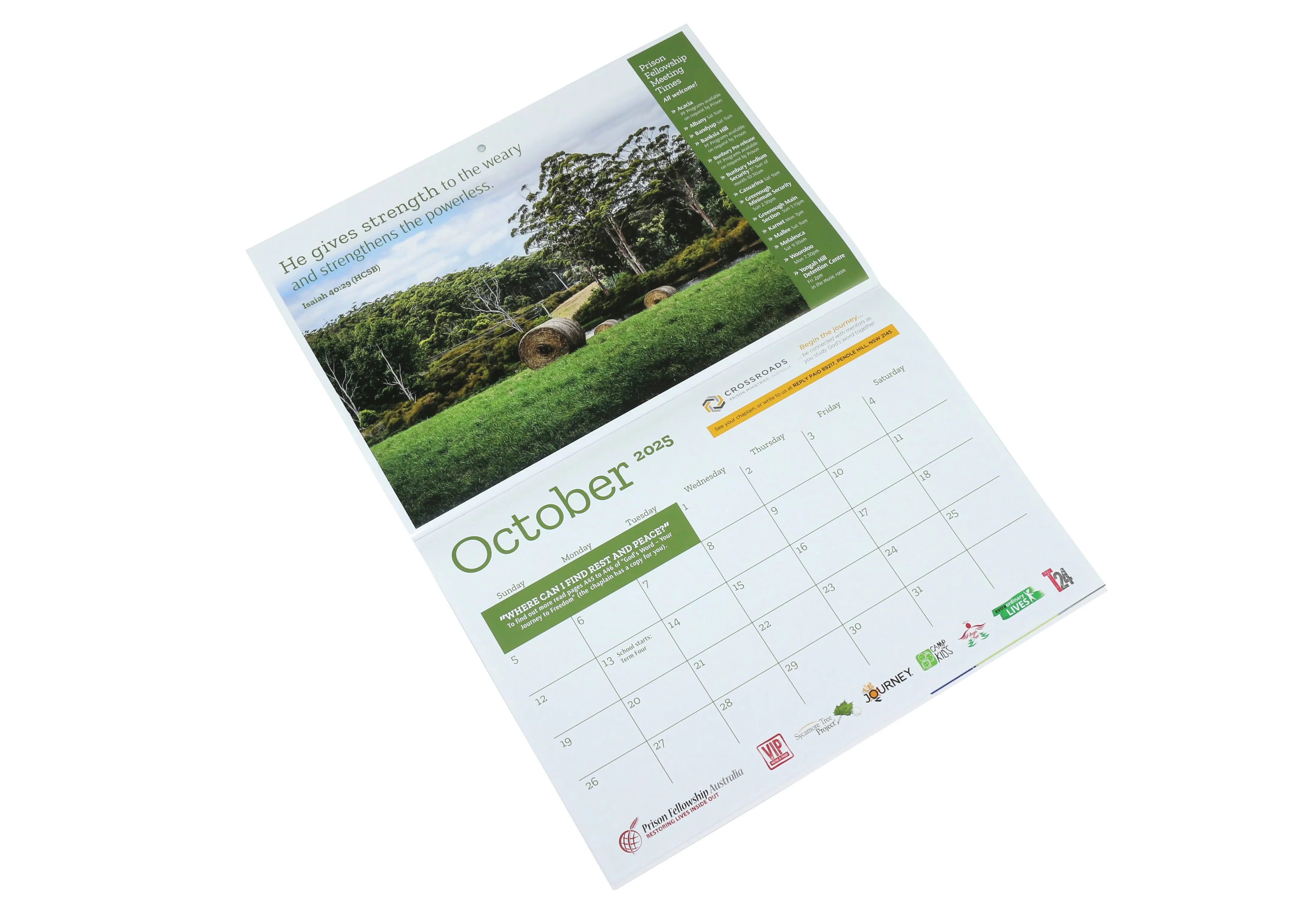
When custom a 365 day calendar for your business, it’s essential to incorporate elements that not only make it functional but also enhance its marketing potential. By carefully selecting and integrating these key components, you can create a calendar that serves as an effective promotional tool while providing value to your customers.
Include Your Company’s Branding
This means prominently featuring your logo, company name, and contact information on each page of the calendar. Consider placing your logo in a consistent location, such as the top corner of each page, to reinforce brand recognition. Additionally, include your website URL, social media handles, and phone number to make it easy for customers to reach out or connect with you online.
High-quality Imagery
Use professional photographs or illustrations that relate to your business, products, or industry. For instance, a landscaping company might feature beautiful garden scenes, while a travel agency could showcase stunning destinations. These images not only make your calendar visually appealing but also subtly promote your services or products.
Incorporate Useful Information
This could include industry-specific tips, fun facts, or even small infographics. For example, a fitness equipment company might include daily workout suggestions, while a financial services firm could offer budgeting tips or important tax dates. By providing this valuable content, you transform your calendar into a resource that customers will want to reference regularly.
Add Call-to Action
Consider adding a call-to-action (CTA) on each page or at regular intervals throughout the calendar. This could be as simple as “Visit our website for exclusive offers” or “Follow us on social media for daily tips.” These CTAs encourage engagement with your brand beyond the calendar itself.
Include Important Dates and Promotions
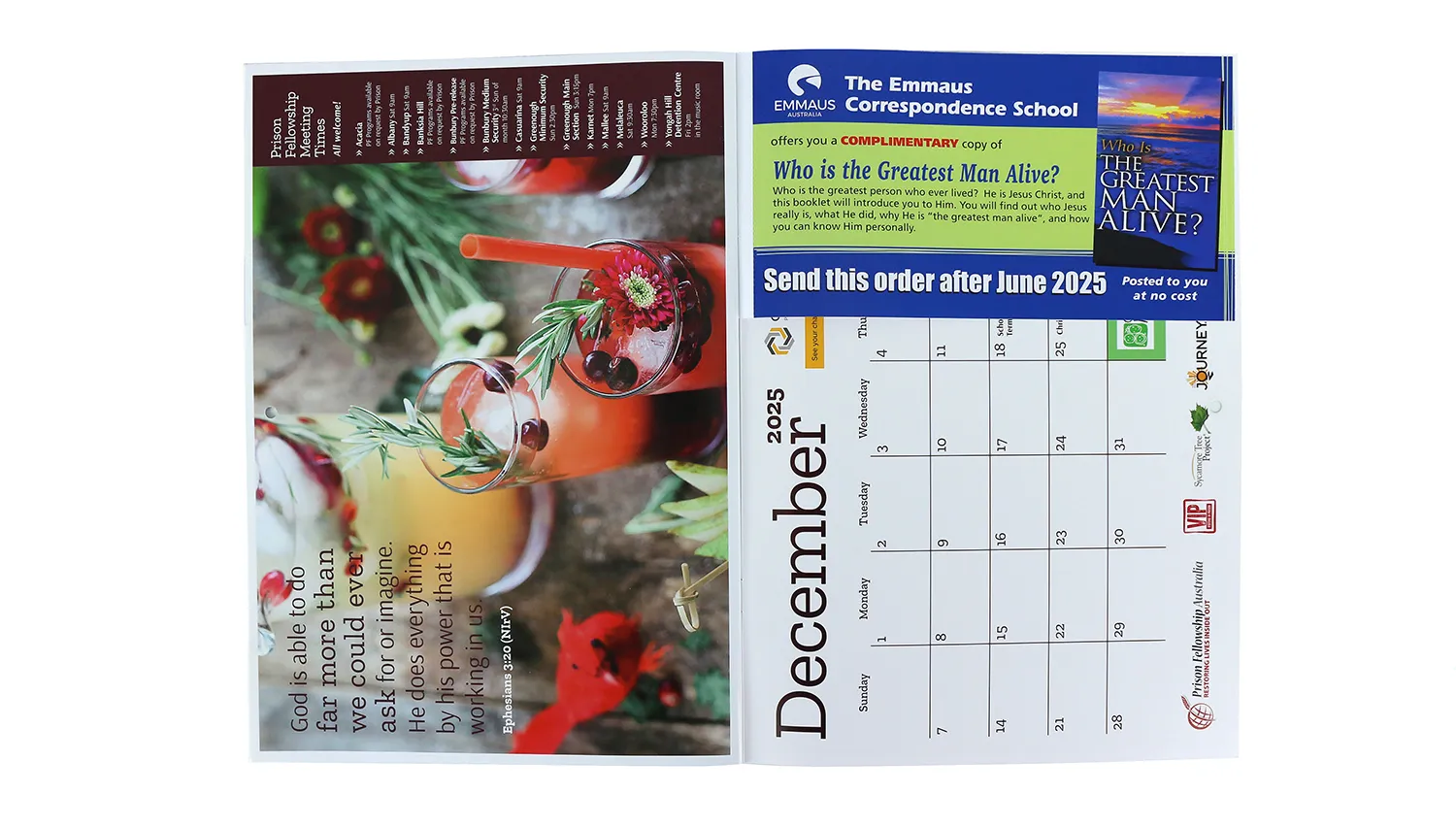
This might encompass industry events, trade shows, or even your company’s special dates like anniversaries or product launch dates. By highlighting these dates, you keep your customers informed and potentially increase participation in your events or promotions.
Seasonal promotions or special offers can be strategically placed throughout the calendar. For instance, you could feature a different discount code or special offer each month, encouraging customers to make purchases throughout the year. This not only drives sales but also gives customers an incentive to check their calendar regularly.
Incorporate Testimonials or Success Stories
These can be brief quotes or short case studies that showcase the positive experiences of your clients. This social proof helps build trust and credibility with potential customers who use your calendar.
If appropriate for your business, include educational content or how-to guides. For example, a home improvement store might feature monthly DIY project ideas, while a cooking equipment supplier could include seasonal recipes. This type of content adds value to your calendar and positions your brand as a helpful resource.
Add National Holidays
Don’t forget to add national holidays and observances, but also consider including quirky or lesser-known holidays that relate to your industry. For instance, a pet supply store might highlight “National Dog Day” or “Adopt a Shelter Pet Day.” These unique dates can serve as conversation starters and provide additional opportunities for themed promotions.
Lastly, consider adding a personal touch by featuring employee spotlights or behind-the-scenes glimpses of your company. This humanizes your brand and helps customers feel more connected to your business.
Incorporating Seasonal Promotions and Special Offers
Leveraging your custom 365 day calendar to showcase seasonal promotions and special offers is an excellent strategy to drive sales and engage customers throughout the year. By aligning your marketing efforts with the changing seasons and significant events, you can create timely and relevant promotions that resonate with your audience.
Start by mapping out the major seasons and holidays that are relevant to your business and target audience. This could include traditional holidays like Christmas, Valentine’s Day, and Mother’s Day, as well as industry-specific events or seasons. For example, a landscaping company might focus on spring and fall for their major promotions, while a fitness equipment retailer might emphasize New Year’s resolutions in January and summer beach body goals in June.
Once you’ve identified these key periods, plan your promotions accordingly and feature them prominently in your calendar. You could dedicate entire pages or sections to these special offers, using eye-catching designs and compelling copy to draw attention. For instance, a page-a-day calendar could feature a “Deal of the Month” on the first day of each month, creating anticipation and encouraging customers to flip to that page.
Consider creating themed promotions that align with each season. For example, a clothing retailer might feature “Spring Refresh” discounts in March, “Summer Essentials” deals in June, “Back-to-School” specials in August, and “Winter Warmers” promotions in November. By tying your offers to the current season, you make them more relevant and appealing to customers.
Don’t forget to leverage holiday-specific promotions. Your calendar can highlight special discounts or bundle deals for major shopping days like Black Friday, Cyber Monday, or Boxing Day. You could even create countdown pages leading up to these events, building excitement and anticipation among your customers.
Incorporate exclusive offers or promo codes directly into your calendar design. For example, you could include a unique discount code on each month’s page, encouraging customers to make a purchase to take advantage of the offer. This not only drives sales but also gives customers an additional reason to engage with your calendar regularly.
Consider using your calendar to promote loyalty programs or repeat purchase incentives. You could feature a “Customer Appreciation Month” or highlight special perks for loyal customers at various points throughout the year. This approach helps foster customer loyalty and encourages repeat business.
Use your calendar to announce new product launches or service introductions. By featuring these on specific dates, you create a sense of anticipation and give customers something to look forward to. This strategy can be particularly effective for businesses with regular product cycles or seasonal offerings.
Don’t overlook the power of flash sales or limited-time offers. Your calendar can serve as a perfect medium to announce these spontaneous promotions. For instance, you could include a “surprise offer” on random dates throughout the year, encouraging customers to check their calendar daily to avoid missing out on special deals.
Remember to align your digital marketing efforts with the promotions featured in your physical calendar. This could involve sending email reminders about upcoming calendar offers or creating social media posts that tie in with the seasonal themes highlighted in your calendar.
Lastly, consider incorporating customer feedback or success stories related to previous promotions. This social proof can help build trust and encourage participation in future offers. For example, you could feature a customer testimonial about a product purchased during last year’s summer sale alongside this year’s summer promotion.
Leveraging Important Dates and Industry Events

Incorporating important dates and industry events into your custom 365 day calendar is a strategic way to show your company’s industry knowledge, provide valuable information to your customers, and create opportunities for targeted marketing efforts. By highlighting these key dates, you position your business as an informed industry leader and give your calendar added utility for your audience.
Begin by researching and compiling a comprehensive list of dates that are significant to your industry. This could include trade shows, conferences, award ceremonies, product release dates, or any other events that are relevant to your business and customers. For example, a technology company might highlight dates for major tech conferences like CES or Apple’s WWDC, while a fashion retailer could feature dates for Fashion Week events in various cities.
In addition to industry-specific events, consider including broader business dates that might be relevant to your customers. This could encompass tax deadlines, fiscal year-end dates, or other financial milestones that your audience might need to be aware of. By providing this information, you add value to your calendar and position your brand as a helpful resource.
Use your calendar to showcase your company’s participation in industry events. If you’re exhibiting at a trade show or speaking at a conference, highlight these dates and provide details about where customers can find you or attend your sessions. This not only promotes your involvement but also encourages face-to-face interactions with your audience.
Consider creating themed content around major industry events. For instance, if there’s a significant trade show in your industry, you could dedicate a week in your calendar to featuring products or services you’ll be showcasing at the event. This builds anticipation and gives customers a reason to visit your booth or engage with your brand during the event.
Don’t forget to highlight important anniversaries or milestones in your company’s history. This could include the date your business was founded, significant product launches, or other notable achievements. Sharing these dates helps tell your brand’s story and builds a stronger connection with your audience.
Incorporate awareness days or months that are relevant to your industry. For example, a cybersecurity firm might highlight “Cybersecurity Awareness Month” in October, while a health food company could feature “National Nutrition Month” in March. Use these occasions to share related tips, promote relevant products, or run themed campaigns.
Consider adding a “Mark Your Calendar” section each month that highlights upcoming important dates. This serves as a quick reference for customers and ensures they don’t miss significant events or deadlines.
Use industry events as opportunities for special promotions or offers. For instance, you could offer a discount code valid during a major conference, encouraging both attendees and non-attendees to engage with your brand during this period.
Include countdowns to major events or important dates. This builds anticipation and keeps these dates top-of-mind for your customers. For example, you could have a “30 Days Until…” section that highlights an upcoming industry event or a significant date in your business calendar.
Consider featuring expert insights or predictions related to upcoming industry events. This could involve short quotes from your company’s leadership about expected trends or developments, positioning your brand as a thought leader in your field.
Lastly, don’t forget to balance industry-specific dates with more general observances or holidays. This ensures your calendar remains relevant to a broader audience while still showcasing your industry expertise.
Using Your Calendar to Showcase Products and Services
Your custom 365 day calendar offers an excellent platform to showcase your products and services throughout the year. By strategically featuring your offerings, you can create a subtle yet effective marketing tool that keeps your business top-of-mind for customers every day.
Start by creating a plan to highlight different products or services each month. This approach allows you to showcase your full range of offerings over the course of the year. For instance, a beauty company might feature skincare products in January (aligning with New Year’s resolutions for better self-care), makeup in February (tying in with Valentine’s Day), and sun protection products in the summer months.
Consider using high-quality images of your products as part of the calendar design. These could be the main images for each month or smaller features incorporated into the daily pages. Ensure that the images are professional and showcase your products in the best light. For service-based businesses, use images that represent the outcomes or benefits of your services.
Incorporate product descriptions or service explanations into your calendar. These don’t need to be lengthy – a short, compelling description can be enough to pique interest. For example, a page-a-day calendar could feature a “Product of the Day” with a brief description and key benefits.
Use your calendar to introduce new products or services. You could create a countdown to a product launch, building anticipation among your customers. After the launch, feature the new product prominently for a period to maintain momentum.
Consider seasonal product features that align with the time of year. For example, a home goods store might showcase outdoor furniture in spring, grilling accessories in summer, cozy blankets in fall, and holiday decor in winter. This approach ensures that your product features remain relevant and timely.
Incorporate customer testimonials or case studies related to specific products or services. These real-life examples can be powerful in demonstrating the value and effectiveness of your offerings. For instance, you could feature a “Customer Success Story of the Month” highlighting how a particular product or service solved a problem or improved a customer’s life.
Use your calendar to educate customers about your products or services. You could include “Did You Know?” sections that highlight unique features, unexpected uses, or interesting facts about your offerings. This not only promotes your products but also positions your brand as knowledgeable and helpful.
Consider creating themed weeks or months that focus on specific product lines or service categories. For example, a fitness equipment company might dedicate a month to cardio equipment, featuring different products each week along with workout tips and success stories.
Incorporate QR codes or short URLs that lead to product pages on your website. This creates a seamless connection between your physical calendar and your online store, making it easy for customers to learn more or make a purchase.
Use your calendar to highlight product or service bundles. You could feature complementary products together or showcase how different services can be combined for maximum benefit. This approach not only promotes individual offerings but also encourages larger purchases.
Don’t forget to include pricing information or special offers related to featured products. You could have a “Deal of the Month” section that offers a discount on a specific product or service, encouraging customers to take action.
Consider using your calendar to showcase the process behind your products or services. This could involve featuring different stages of product development, highlighting the craftsmanship involved, or explaining the steps in your service delivery. This behind-the-scenes look can help customers appreciate the value of your offerings.
Lastly, use your calendar to show how your products or services fit into customers’ daily lives. You could create scenarios or “A Day in the Life” features that show how your offerings solve real problems or enhance everyday experiences.
Factors to Consider when Custom your 365 Day Calendar

Creating a custom 365 day calendar for your business involves several important considerations to ensure it effectively serves its purpose as both a practical tool and a marketing asset. Here are key factors to keep in mind:
Purpose and Use
Before diving into the design process, clearly define the primary purpose of your calendar. Is it mainly for brand awareness? To drive sales through promotions? To provide valuable industry information? Understanding your main objectives will guide your decisions throughout the creation process.
Consider how and where your calendar will be used. Will it be a desk calendar for office environments, a wall calendar for homes, or a portable option for on-the-go professionals? The intended use will influence your design choices and format selection.
Think about your target audience and their preferences. A calendar for tech-savvy millennials might have a different look and feel compared to one aimed at traditional corporate clients. Tailor your design and content to appeal to your specific audience.
Size and Binding
The size of your calendar plays a crucial role in its usability and impact. Consider the following options:
-
Large wall calendars: Great for high visibility but require ample wall space.
-
Desktop calendars: Ideal for office environments, offering easy reference without taking up too much space.
-
Pocket-sized calendars: Perfect for portability, but limit the amount of information you can include.
Binding options can affect both the aesthetics and functionality of your calendar:
-
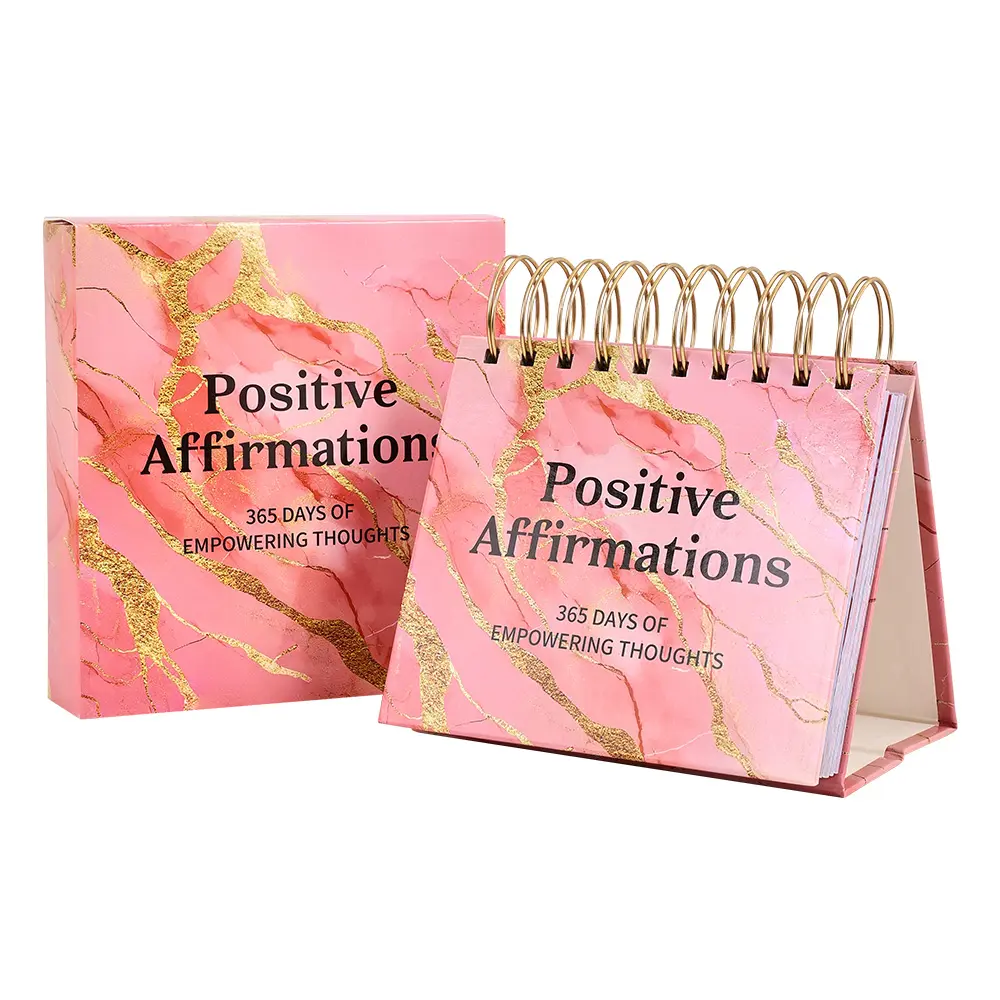
Wire-o binding: Allows the calendar to lay flat when open, ideal for desk calendars.
-
Saddle-stitching: Suitable for thin calendars, providing a clean, professional look.
-
Perfect binding: Gives a book-like appearance, great for more substantial calendars with lots of content.
-
Spiral binding: Offers durability and allows the calendar to lay flat when open and be folded back on itself.
 |
 |
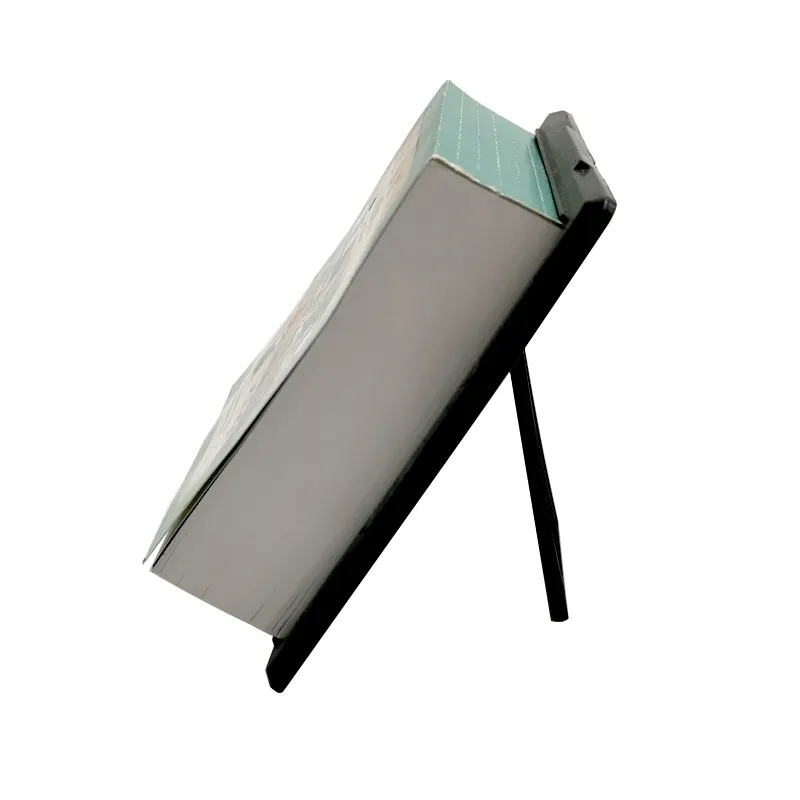 |
| Wire-o Calendar | Saddle Stitch Calendar | Perfect Binding Calendar with Plastic Stand |
Paper Types
The choice of paper can significantly impact the look, feel, and durability of your calendar:
-
Glossy paper: Provides a shiny finish that makes colors pop, ideal for image-heavy designs.
-
Matte paper: Offers a more subdued, sophisticated look and non-reflective, easy to read
-
Recycled paper: Appeals to environmentally conscious audiences and aligns with sustainability-focused brands.
-
Textured paper: Adds a tactile element that can make your calendar stand out.
Consider the weight of the paper as well. Heavier stock will feel more premium but may increase production costs and shipping weight.
Budget and Quantity
Your budget will play a significant role in determining the features and quality of your calendar. Consider the following:
-
Printing costs: Get quotes from multiple printers and consider bulk discounts for larger quantities.
-
Design costs: Factor in the expense of professional design services if you’re not creating the calendar in-house.
-
Distribution costs: Remember to account for packaging and shipping expenses if you’re mailing calendars to customers.
Determine the quantity based on your distribution plans:
-
Customer giveaways: How many active customers do you have?
-
Sales tool: How many prospects do you plan to reach?
-
Retail product: If selling the calendar, estimate demand based on past sales or market research.
Design and Branding
Ensure your calendar aligns with your brand identity:
-
Use your brand colors, fonts, and logo consistently throughout the design.
-
Incorporate your brand’s visual style, whether it’s minimalist, bold, or traditional.
-
Include your company’s contact information, website, and social media handles on each page.
Content Planning
Carefully plan the content for each page:
-
Balance promotional content with valuable information to keep customers engaged.
-
Include industry-specific dates, national holidays, and your company’s important dates.
-
Consider adding inspirational quotes, tips, or facts related to your industry.
Customization Options
Think about ways to make your calendar interactive or personalized:
-
Include areas for notes or goal-setting to increase daily engagement.
-
Consider adding stickers or markers for customers to highlight important dates.
-
If feasible, offer personalization options like adding pre-cut “discount” page to the calendar.
Production Timeline
Plan your production schedule carefully:
-
Allow ample time for design, revisions, and printing.
-
Consider seasonal demands – many businesses order calendars in Q4 for the upcoming year.
-
Factor in time for distribution to ensure customers receive calendars before the new year begins.
Environmental Considerations
If sustainability is important to your brand:
-
Choose eco-friendly materials like recycled paper or soy-based inks.
-
Consider a digital component to reduce paper usage, such as complementary online resources.
Compliance and Accuracy
Ensure all information in your calendar is accurate and compliant:
-
Double-check all dates, including holidays and daylight saving time changes.
-
If including promotional content, ensure it complies with relevant advertising standards.
-
Consider cultural sensitivities if your calendar will be distributed internationally.
This thoughtful approach will help ensure your calendar becomes a cherished daily resource that keeps your brand top-of-mind throughout the year.
Step-by Step Guide to Custom your 365 Day Calendar
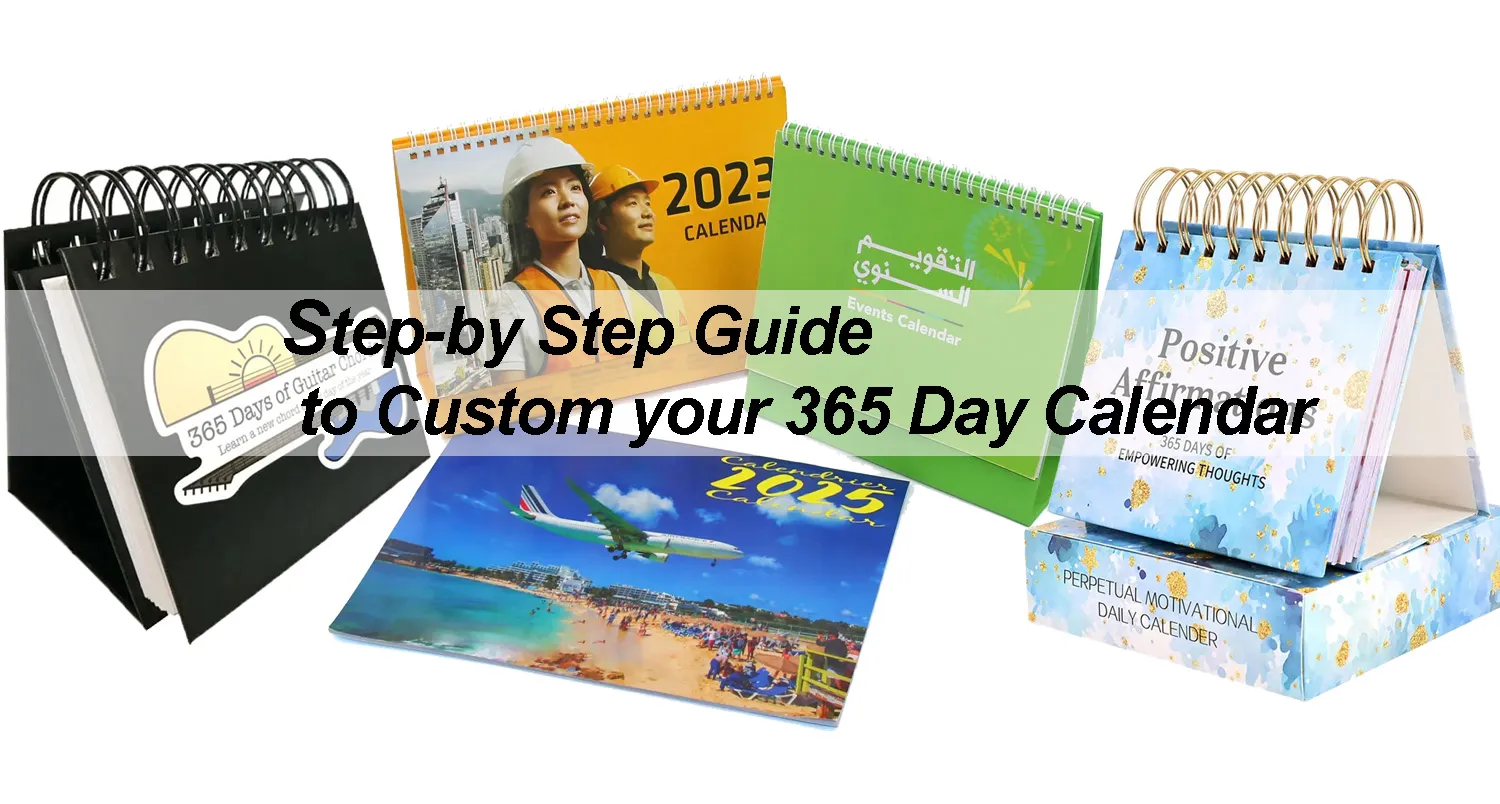
Creating a custom 365 day calendar for your business is an exciting project that can yield significant marketing benefits. Here’s a comprehensive step-by-step guide to help you through the process:
Step 1: Define Your Objectives
-
Clearly outline the primary goals for your calendar (e.g., brand awareness, sales promotion, customer education).
-
Identify your target audience and their preferences.
-
Determine how you plan to distribute the calendars (e.g., customer gifts, sales tools, retail products).
Step 2: Choose a 365 Day Calendar Style
Select a calendar format that best suits your needs and audience:
-
Wire-o bound calendar:
-
Pros: Lays flat, easy to flip pages
-
Cons: Can be more expensive than other binding options
-
Ideal for: Desktop calendars, larger wall calendars
-
-
Saddle stitch calendar:
-
Pros: Cost-effective, clean look, lays flat
-
Cons: Limited to fewer pages
-
Ideal for: Thin wall calendars, simple designs
-
-
Glue binding calendar with plastic/paperboard stand:
-
Pros: Professional appearance, sturdy
-
Cons: May not lay completely flat
-
Ideal for: Desktop calendars, more substantial content
-
-
Poster calendar:
-
Pros: High visibility, space-efficient
-
Cons: Limited space for additional content
-
Ideal for: At-a-glance yearly planning, minimalist designs
-
Step 3: Determine your 365 Day Calendar Size
Consider the following popular sizes:
-
Wall calendars: 12″ x 12″, 11″ x 17″, or 8.5″ x 11″
-
Desktop calendars: 5″ x 8″ or 6″ x 9″
-
Poster calendars: 18″ x 24″ or 24″ x 36″
Choose a size that balances visibility, practicality, and cost-effectiveness.
Step 4: Plan Your Content
-
Create a content calendar outlining themes, promotions, and key dates for each month.
-
Gather high-quality images, including product photos, lifestyle shots, or branded graphics.
-
Develop valuable content like industry tips, inspirational quotes, or fun facts.
-
Include important dates: holidays, industry events, and company milestones.
Step 5: Design and Layout Your 365 Day Calendar
-
Use professional design software or work with a graphic designer.
-
Incorporate your brand colors, fonts, and logo consistently throughout the design.
-
Create a balanced layout that includes dates, images, and additional content.
-
Ensure text is legible and images are high-resolution.
-
Include your company’s contact information on each page.
Step 6: Selecting the Right Paper Type
Choose a paper that aligns with your brand image and budget:
-
Gloss art paper:
-
Pros: Vibrant colors, professional look
-
Cons: Can be difficult to write on
-
Ideal for: Image-heavy designs, high-end products
-
-
Matte art paper:
-
Pros: Sophisticated appearance
-
Cons: Colors may appear less vibrant
-
Ideal for: Text-heavy designs, more subdued aesthetics
-
-
Uncoated paper:
-
Pros: Natural feel, easy to write on, environmentally friendly options available
-
Cons: Less durable than coated options
-
Ideal for: Eco-conscious brands, calendars meant for writing
-
-
Special paper:
-
Pros: Unique textures and finishes for standout designs
-
Cons: Can be more expensive
-
Ideal for: Luxury brands, special edition calendars
-
Step 7: Proofread and Review
-
Carefully check all dates, including holidays and daylight saving time changes.
-
Review all text for spelling and grammatical errors.
-
Ensure all images are high-quality and properly placed.
-
Verify that all promotional content is accurate and compliant with advertising standards.
Step 8: Get Quotes and Select a Printer
-
Research and contact multiple printing companies for quotes.
-
Consider factors like price, quality, turnaround time, and minimum order quantities.
-
Request paper samples and print proofs to ensure quality.
Step 9: Printing your Calendar
-
Approve the final design and send it to your chosen printer.
-
Specify your paper choice, quantity, and any special finishes (e.g., embossing, foil stamping).
-
Confirm the production timeline and delivery date.
Step 10: Quality Control
-
Once you receive the printed calendars, thoroughly inspect a sample for any defects or errors.
-
Check the binding, paper quality, color accuracy, and overall finish.
Step 11: Distribution Planning
-
Develop a strategy for distributing your calendars.
-
If mailing, prepare packaging that will protect the calendars during shipping.
-
For in-person distribution, plan how you’ll present the calendars to maximize impact.
Step 12: Launch and Promote
-
Announce the availability of your custom 365 day calendars through your marketing channels.
-
If selling the calendars, set up an easy ordering process.
-
Encourage recipients to share photos of their calendars on social media.
Step 13: Gather Feedback
-
After distribution, seek feedback from recipients about the calendar’s design, content, and usefulness.
-
Use this feedback to improve future editions.
Step 14: Track Results
-
Monitor the impact of your calendar on brand awareness, customer engagement, and sales.
-
Analyze which promotions or features were most effective.
Remember, the key to a successful calendar is thoughtful planning, attention to detail, and a focus on your audience’s needs and preferences. With these elements in place, your calendar can become a powerful marketing tool that works for your business every day of the year.
Conclusion
Creating a custom 365 day calendar is a strategic investment that can yield significant returns for your business. By carefully considering factors such as design, content, and distribution, you can craft a calendar that not only promotes your brand but also provides genuine value to your customers. Remember, the most effective calendars are those that balance promotional content with useful information, creating a resource that recipients will want to reference daily.
As you embark on this project, keep your brand identity and target audience at the forefront of your decision-making process. Whether you opt for a sleek desk calendar, a vibrant wall calendar, or a compact tear-off format, ensure that every element aligns with your overall marketing strategy and business goals.
Are you planning to custom 365 day calendar printing to promote your business? Request a quote today, let’s help you create a high quality calendar that promote your business year-round.