


Prayer books with thoughtful design can make the most important difference in a child’s spiritual journey. Research shows that prayer books filled with engaging illustrations and child-friendly content work especially when you have students in grades 1-6.
A prayer book for kids goes beyond just gathering prayers – it creates an experience that touches young hearts. Your project might range from a baby prayer book with simple blessings to a complete children’s prayer book with Mass prayers and Bible passages. Success depends on thoughtful design choices and content that matches the child’s age.
We know how challenging it can be to create something both meaningful and engaging for young readers. In this article, we will explore how to design and print a prayer book for kidsm from sketch to print and marketing. Would you like to create a prayer book that children will treasure? Let’s start this journey together!
Start with a Simple Prayer Book Plan
Creating a meaningful prayer book for kids starts with good planning. A notebook or journal and some quiet time will help you brainstorm what works best for your child’s spiritual trip.
Understand your Child’s Spiritual Stage
Children grow spiritually in distinct stages that shape how they connect with prayer. Learning about these stages helps you create content that strikes a chord with their age:
Kids aged 2-6 develop faith through feelings and what they see around them. At this time, these little ones focus mainly on themselves and learn about God from their caregivers. Simple prayers with pictures work best to get them started in thinking about their faith.
School-age children (ages 7-12) move into what experts call the “Mythic-Literal” stage. They can tell what’s real from make-believe. These kids see the world exactly as it is and focus on right and wrong. They take faith stories very seriously and often picture God as a person: strict, strong, and fair.
Teens can think in abstract ways while still understanding concrete ideas. They look beyond themselves and build their own values and commitments. Their prayer materials should support their growing identity while offering spiritual guidance.
Decide between Bedtime, Daily, or Mass Prayers
The way you plan to use your prayer book will shape how you design it. Here are some options:
-
Bedtime prayers: These create peaceful routines that help children relax while connecting with God. You might add simple thank-you prayers, guardian angel prayers, and family blessings.
-
Daily prayers: These help kids build regular prayer habits throughout their day. Morning prayers, mealtime blessings, and evening thoughts help create lasting spiritual practices.
-
Mass or liturgical prayers: These teach children about formal worship and include prayers used in religious services. Your kids will feel more connected to community worship.
You might want to add themed prayer sections. Books with “prayers for when I’m happy/sad/scared” help kids express feelings through faith. Books that follow church seasons help children connect with religious traditions year-round.

Decide how many Pages or Sections You Want
Your prayer book’s size affects how easy it is to use and how much work you’ll need to do. Start with something manageable:
Young children do better with shorter books—10-20 pages with big print and room for pictures works well. Older kids can handle 20-40 pages of more detailed content while still finding it easy to use.
Clear sections help create a natural flow. Your prayer book might include:
-
Morning prayers to start the day
-
Mealtime blessings
-
Prayers for special occasions (birthdays, holidays)
-
Evening and bedtime prayers
-
Family prayer traditions
You can also add personal touches. Some parents put family photos in their prayer books to help children focus when praying for loved ones. Pictures help kids remember and recognize their relatives’ names, especially those who live far away.
There’s no rush to include everything right away. Your prayer book can grow as your child does. Starting small helps ensure you’ll finish the project instead of giving up on a too-big plan. You can always add more sections as your child’s spiritual needs change.
Good planning lays the groundwork for a prayer book that will truly connect with your child’s heart and spiritual growth.
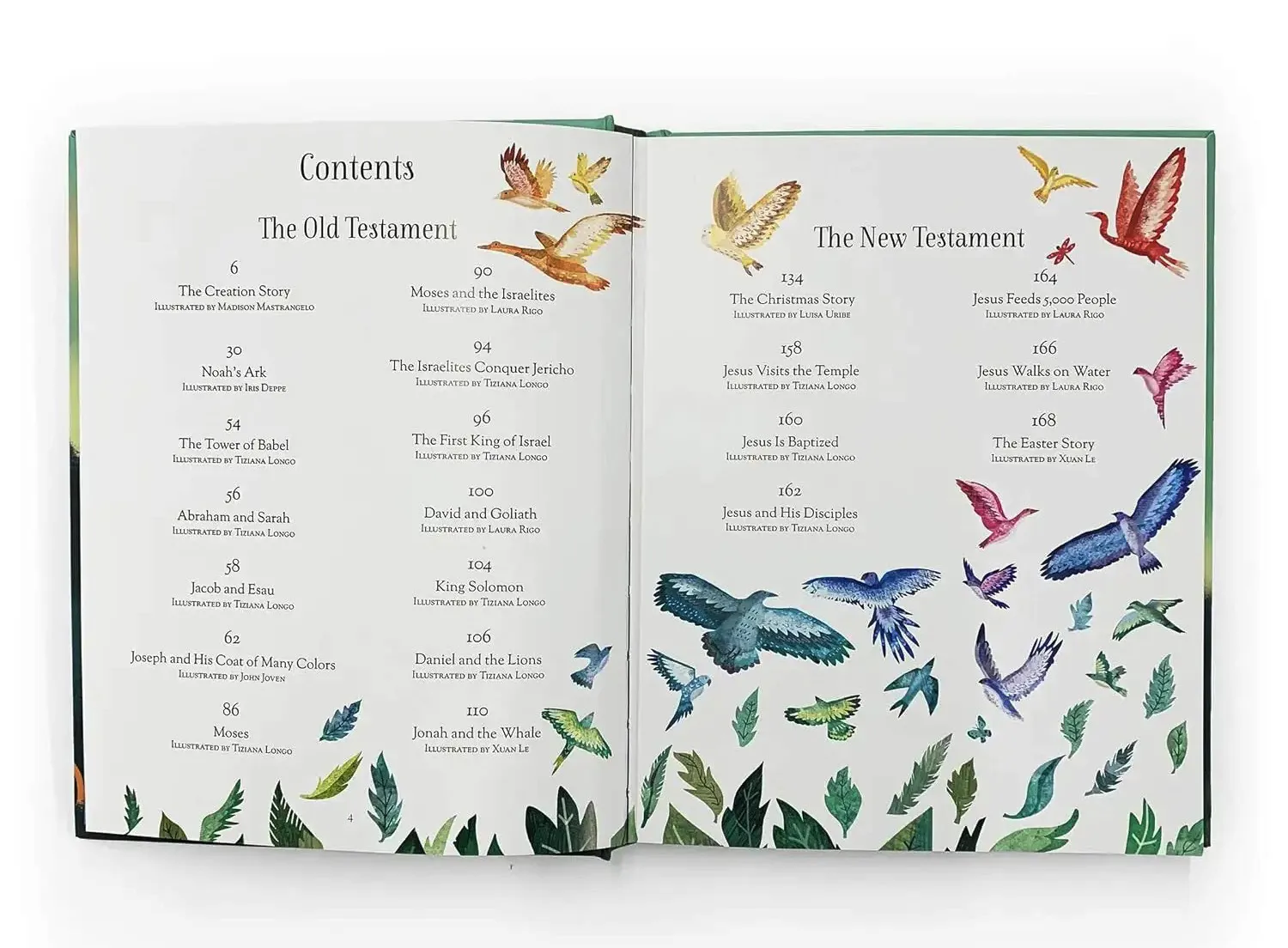
Pick the Best Prayers for Little Kids
Prayer selection lies at the heart of any child’s prayer book. Your choices will shape children’s spiritual connection and their relationship with God.
Short and Easy-to-remember Prayers
Simplicity matters most in children’s prayer books. Kids respond best to prayers they can memorize and understand easily. These prayers become their spiritual foundation and often remain with them through adulthood.
Simple morning prayer phrases work well, such as “Good morning, Lord Jesus, this day is for you. Please bless everything I think, say, and do”. Brief prayers like these help kids start their day mindfully with God’s presence.
Kids find comfort and security in bedtime prayers. The classic “Now I lay me down to sleep, I pray the Lord my soul to keep” remains a favorite due to its gentle rhythm and soothing message. “Lord, help me sleep well tonight. I thank you that you love me and care for me” provides another option.
Mealtime blessings teach kids gratitude through daily routines. “God is great, God is good. Let us thank Him for our food” works well, as does the simpler “For all food yummy that fills my tummy, thank you, God!”.
Single-sentence prayers expressing one clear thought work best for very young children. These prayers might acknowledge God’s presence, express thanks, or ask for help. Longer prayers that build on these simple concepts can be introduced as children grow older.
Include Blessings, Thank-you Prayers, and Songs
A comprehensive kid’s prayer book should feature different prayer types that nurture a child’s relationship with God.
Thank-you prayers nurture gratitude in children. “Thank you for the world so sweet, Thank you for the food we eat, Thank you for the birds that sing, Thank you, God, for everything!” teaches kids to notice God’s gifts in their daily lives.
Specific situation prayers help children turn to God in every circumstance. The book should include prayers for:
-
Happy or accomplished moments
-
Sad, scared, or lonely feelings
-
Family members and friends
-
School and learning
Prayer songs add joy to children’s spiritual life. “Count your many blessings, Name them one by one, And it will surprise you what the Lord has done” makes gratitude memorable through melody. Songs like “When we pray for each other, each other, each other, When we pray for each other, The stronger we’ll be” highlight prayer’s community aspect.
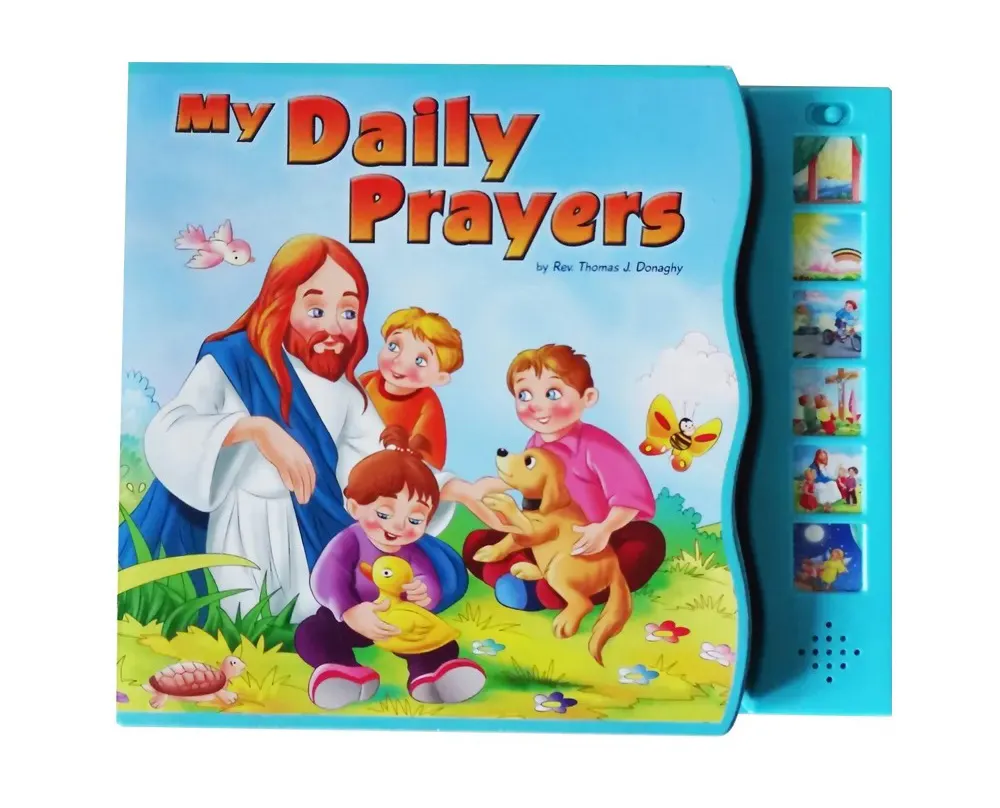
Short Bible verses that work as prayers make excellent additions. These scripture-based prayers link children to their faith tradition while remaining meaningful.
Children don’t need oversimplified content in their prayers. They need prayers that speak to their experiences and help them “use the minds and hearts God gave them to speak specifically about every circumstance of life”. Prayers should match their developmental stage while respecting their intelligence.
Thoughtful selection of varied, age-appropriate prayers will make your prayer book a treasured guide through children’s spiritual growth.
Gather and Select Prayers for Kids
Your prayer book plan is ready, and now it’s time to gather beautiful prayers that will strike a chord with your child. A carefully selected prayer book for kids becomes a spiritual treasure they’ll keep throughout their lives.
Use Traditional Prayers Children can Learn
Traditional prayers connect children to their faith heritage and give them words to express spiritual thoughts they might not know how to express themselves. Good children’s prayer books include prayers that are:
-
Always relevant to children’s spiritual needs
-
Easy to understand with age-appropriate concepts
-
Likely to become lifetime spiritual companions
“A Child’s Guide to Prayer” shows how carefully chosen traditional prayers help children aged 5-10 build their prayer habits. The best traditional prayers cover different times of their day and serve various purposes. You might want to add morning prayers to begin the day, mealtime blessings, evening reflections, and prayers for family and friends.
Of course, many parents value prayer books that teach prayer basics. You might want to add simple, child-friendly explanations about how and why we pray. This helps kids understand the meaning behind the words they learn.
Include Short Bible Verses for Reflection
Bible verses build the foundation for children’s spiritual growth, but they need to be simple enough for young minds. Short verses work like “hooks” that help kids remember key biblical themes and feel comfortable with Scripture.
Bible memorization gives the Holy Spirit words to comfort and guide your child. The verses you pick should be:
-
Short enough to remember easily
-
Full of meaning despite being brief
-
Connected to children’s daily lives
A good starting point is 10-12 verses that cover different aspects of faith if you’re not making a detailed prayer book. This helps children build a lasting relationship with God.
One good way is to pick a verse from each Bible book. This creates memory hooks that help children grasp main themes while getting to know the whole Bible. You can also add “Did you know?” facts about each Bible book to make learning fun.
Add Personal or Family-written Prayers
Personal prayers make children’s prayer books special. These custom prayers link faith to a child’s real life situations.
Here’s a lovely example: a 60th birthday gift with a decorative book containing 60 handwritten Bible verses and matching prayers. This idea works great for children’s prayer books where parents write prayers just for their kids.
Making a prayer book for your child or others, written prayers help in two ways. The writer can focus exactly on what they want to pray about. The reader – in this case, the child – feels deeply touched by these personal words.
You could add a section where family members write prayers for the child, or where kids can write their own prayers as they grow. These personal touches often become the most cherished parts of a prayer book.
You might also include prayer starters or templates to help children develop their own prayers, teaching them to talk to God in their own words.
Designing the Layout and Sections
The way you lay out your prayer book for kids will shape how they use it. After collecting prayers, you’ll need to create a format that draws young readers to explore the content.
Organize by Theme or Time of Day
Your children’s prayer book needs a user-friendly structure. Here are some ways that work well:
The ACTS model offers a thoughtful way to divide prayers into sections: Adoration (praising God’s character), Confession (saying sorry), Thanksgiving (expressing gratitude), and Supplication (asking for help). Kids can understand different types of prayer easily with this approach.
Time-of-day organization creates natural prayer habits. Morning prayers, mealtime blessings, and bedtime reflections help children develop spiritual practices that fit their daily routine.
Young children respond well to thematic organization. Sections could cover family, friends, school, feelings, holidays, or special occasions. This helps kids quickly find prayers when they need them.
Use Large Fonts and Simple Language
The right typography makes your prayer book for child readers more available:
Pick fonts made for young readers with generous letter shapes and open, rounded counters. Beginning readers benefit from fonts with “infant characters” (one-story ‘a’s and ‘g’s) that match their writing lessons.
Font size makes a big difference. Your child’s age should determine the size – anywhere from 14-24 points with 4-6 points of leading (space between lines). This makes reading comfortable for young eyes.
The main text needs clear letters more than fancy designs. Creative fonts work better in titles or section headings where they add style without making text hard to read.
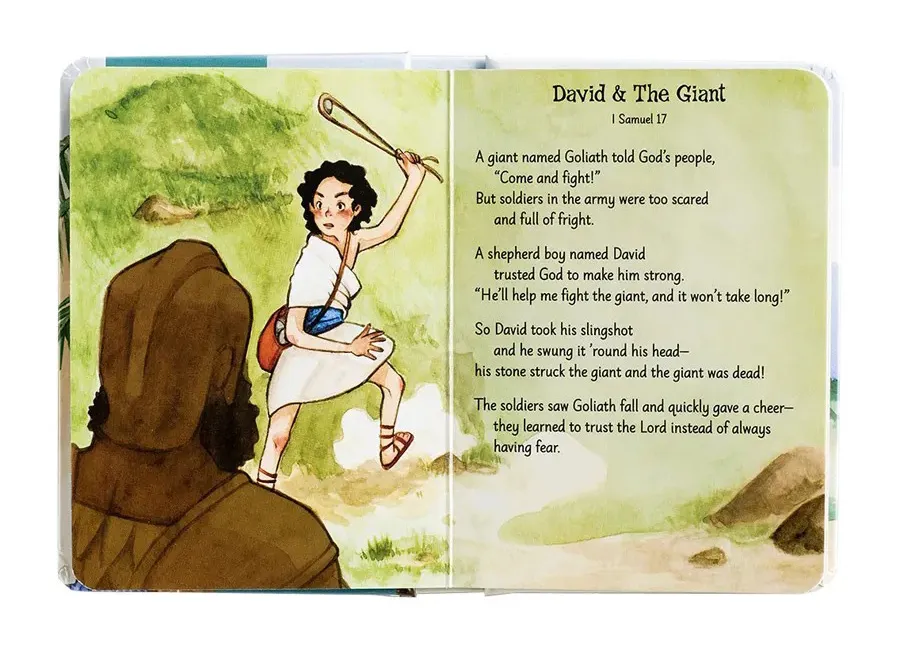
Add Space for Drawings or Notes
Interactive features turn a simple kids prayer book into a personal spiritual journal:
Empty spaces let children draw their own prayer illustrations. This helps them connect with the content visually and express themselves.
Simple questions like “What made you happy today?” or “Who would you like to pray for?” help guide children’s thoughts as they write their own prayers or reflections.
Some books include ways for children to track completed prayers. This creates a meaningful record of their spiritual growth.
Add Borders, Icons, and Themed Pages
Visual elements make prayer more engaging:
Beautiful borders with religious symbols or kid-friendly designs frame the text and highlight different sections of your prayers for little kids book.
Pre-readers can identify different types of prayers through icons before they master reading. Simple symbols for morning, meals, or bedtime help them find their way.
Special pages that match liturgical seasons or occasions add visual interest while teaching children about their faith tradition’s calendar. Kids look forward to finding these unique pages.
Family photos next to prayers for loved ones add a special touch. This personal element helps children picture who they’re praying for, making their prayers more meaningful and real.
Add Visuals and Interactive Elements
Visual elements make ordinary prayers memorable experiences for young readers. A prayer book for kids with interactive features helps children build deeper connections with their spiritual practices.
Use Illustrations to Explain Prayers
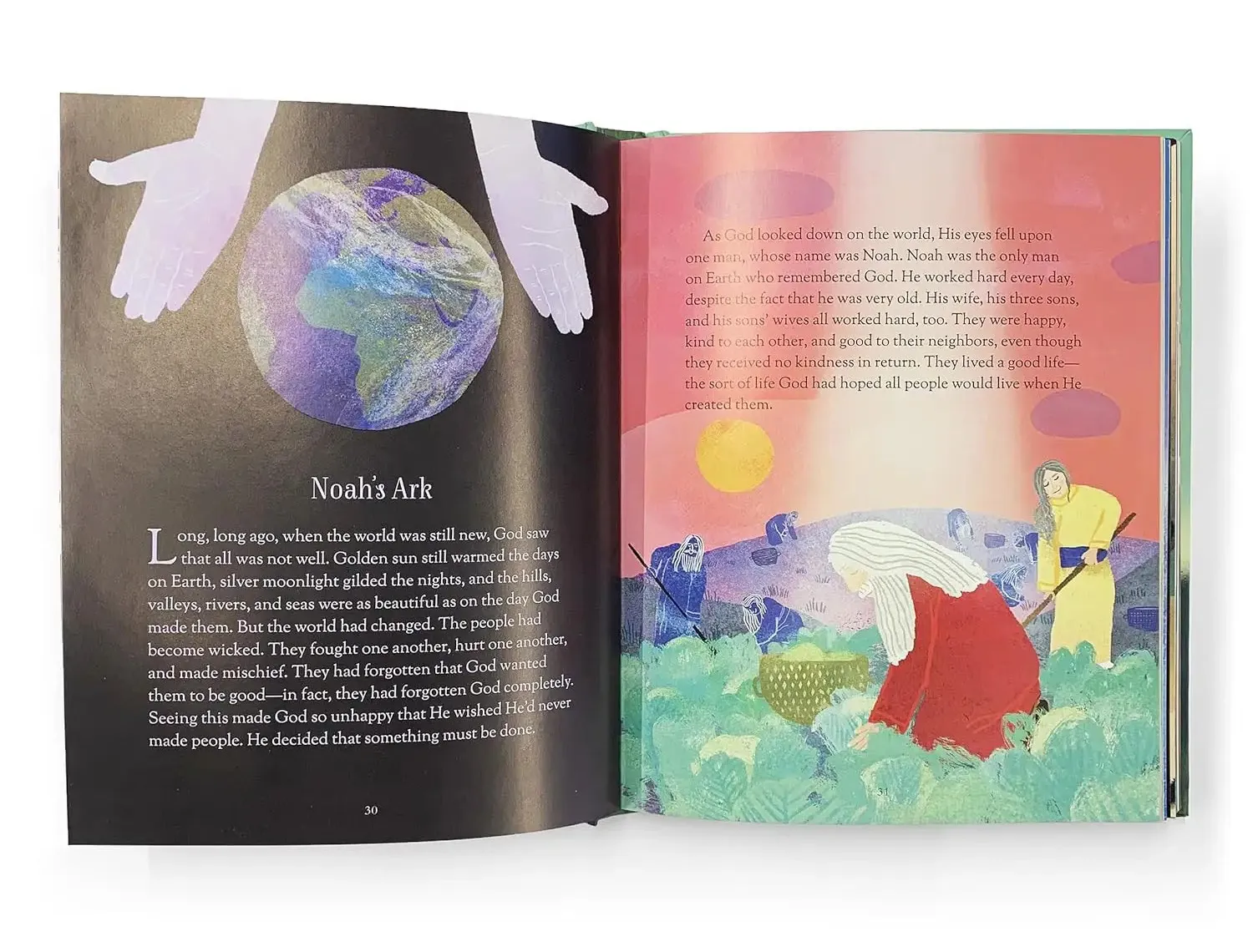
Illustrations go beyond page decoration—they show faith concepts visually when words fall short. Rich, vibrant imagery helps children learn prayer meanings through visual storytelling. Pictures that show children of all backgrounds help young readers see themselves in their prayer practice. This makes spiritual concepts easier to relate to.
Quality prayer books match each prayer line with relevant pictures. Young readers learn prayer meanings better as they connect words with images. To name just one example, see how pictures of the Lord’s Prayer with children from different nationalities show prayer’s universal nature. These images make abstract ideas concrete.
Include Coloring Pages or Stickers
Coloring activities turn reading into an active experience. Children who work with their prayer book to learn more from the content. You might want to add:
-
Coloring pages for each prayer or Bible verse
-
Activity pages where children create and draw their own prayers
-
Sticker pages with religious symbols or prayer-related pictures
These hands-on elements let children make their prayer book their own. They learn prayer concepts through art. Creators of interactive prayer materials say children love the “peaceful feeling” these activities bring.
Add Checklists or Prayer Trackers
Prayer trackers build consistent spiritual habits. They make prayer real for concrete thinkers. Simple tools like daily prayer checklists help children see their spiritual growth. These features turn abstract spiritual practices into activities they can measure.
Young children respond well to trackers like:
-
Prayer stamps or stickers to collect
-
Dry-erase boards to mark finished prayers
-
Calendar-style trackers that show daily prayer habits
“Prayer stations” work exceptionally well. Children move through different prayer activities and track their progress. Prayer journals with color-coded parts make finding sections easy—each prayer type gets its own color.
These visual and hands-on elements make prayer books better in every way. They create engaging, memorable, and meaningful prayer experiences for children.
Choose a Format: Digital or Print
The layout design of your prayer book leads to an important choice between digital and print formats. This decision will shape how children engage with the prayers and visuals you’ve carefully chosen.
Pros and Cons of Printable vs. Digital
The format of a children’s prayer book affects a child’s experience by a lot:
Print advantages:
-
Research shows children and parents have better quality interactions with traditional books than e-books
-
Children connect emotionally better with print books
-
Print creates a “visual map” in memory that helps children locate prayers
-
Physical books keep children focused without notifications or apps
-
Studies show children understand content better through print than digital reading
Digital advantages:
-
Features like searchable text and adjustable font sizes come built-in
-
Families who read a lot find it more cost-effective
-
One device can store hundreds of titles
-
Interactive elements like audio prayers or animated illustrations add value
-
The cost stays lower than professionally printed books
Notwithstanding that 98% of families with children under nine own digital devices and toddlers spend over two hours daily on digital media. This doesn’t mean tablets provide better educational value or help children develop more than traditional books.
How to Format for Professional Printing
A professional print version of your kids prayer book needs proper formatting:
Microsoft Word suits beginners, while Adobe InDesign gives advanced options for complex layouts. Common trim sizes include 5.5″ x 8.5″, 6″ x 9″, or 8.5″ x 11″.
For professional printing:
-
Set bleeds of at least 0.125 inches to each side and margins of at least 0.2 inches on all sides.
-
Use consistent, readable fonts throughout (10-12pt size recommended)
-
High-resolution images are essential (minimum 300 DPI)
-
Add clear page numbers and consistent chapter formatting
-
Submit your final document in PDF format
Print and digital versions offer unique benefits to children’s prayer books. Your choice should match how you foresee children using the prayer book and which format best fits your design vision.
Print and Sell Your Prayer Book
Your prayer book design is ready, and now it’s time to transform it into a real book. The right production decisions will make your children’s prayer book a treasured keepsake.
Use a Local Print Shop or Online Printing Service
The first major decision you’ll face is where to print your prayer book. You have two primary options: local print shops and online printing services.
-
Local Print Shops: Building a relationship with a local print shop offers several advantages. You can have face-to-face consultations, discuss your specific needs in detail, and examine sample prints and paper types. This hands-on approach can be especially beneficial if you’re unsure about certain aspects of the printing process. Moreover, supporting local businesses strengthens your community.
-
Online Printing Services: Online printers provide convenience and often more competitive pricing, especially for larger print runs. Online services such as BookPrintingChina specialize in children’s book printing with good prices and premium quality. We typically offer a wide range of options, including various paper stocks, binding styles, and finishing touches.
Consider the size of your print run, budget, and desired level of personal interaction when making your decision. For smaller, more personalized projects, a local print shop might be ideal. For larger runs where cost is a major factor, an online service could be the better choice.
Binding Options for Physical Books
Your choice of binding will shape how durable and functional your kids prayer book becomes:
-
Saddle Stitching: A cost-effective option suitable for prayer books with a lower page count (typically up to 64 pages). Pages are folded and stapled along the spine.
-
Perfect Binding: Provides a professional, clean look, ideal for thicker prayer books. Pages are glued together along the spine, creating a flat, square spine that can be printed on.
-
Case Binding: Offers superior durability and a premium feel. The pages are sewn together and attached to a hard cover. This is a more expensive option but adds significant value and longevity.
-
Board Book Binding: Made specifically for young children with thick, sturdy pages that last longer
-
Wire-O or Spiral Binding: Lets pages stay flat—great for prayer journals or activity-based devotionals
Think about how your prayer book will be used. Will it be carried around frequently? Will it need to lay flat? These considerations will help you determine the most appropriate binding.
Pick for a Right Paper Type
The paper you choose impacts both the look and feel of your prayer book. Here’s a breakdown of common paper types:
Text Weight Paper: A lighter paper, often used for the interior pages of books. Options include:
-
Offset Paper: Uncoated paper makes text easier to write or read in content-heavy sections, works well for prayer journal & diary.
-
Coated paper: Glossy art paper makes illustrations pop and prayer imagery stand out. Matte paper gives a gentle, sophisticated feel that works well for reflective prayer books.
Cover Stock Paper: A thicker paper used for the cover. Options include:
-
Glossy Paper: Offers a shiny finish and vibrant colors.
-
Matte Paper: Provides a softer, more subdued look with less glare.
-
Cloth or Leather: A more elegant and luxurious option.
Consider the overall aesthetic you want to achieve. Do you want a sleek, modern look, or something more traditional and tactile? The paper choice plays a vital role in conveying that impression. Always request paper samples before committing to a full print run.
Consider Add-ons
Elevate your prayer book’s appeal with these add-ons:
-
Dust Jacket (for Hardcover): Protects the cover and allows for additional design elements.
-
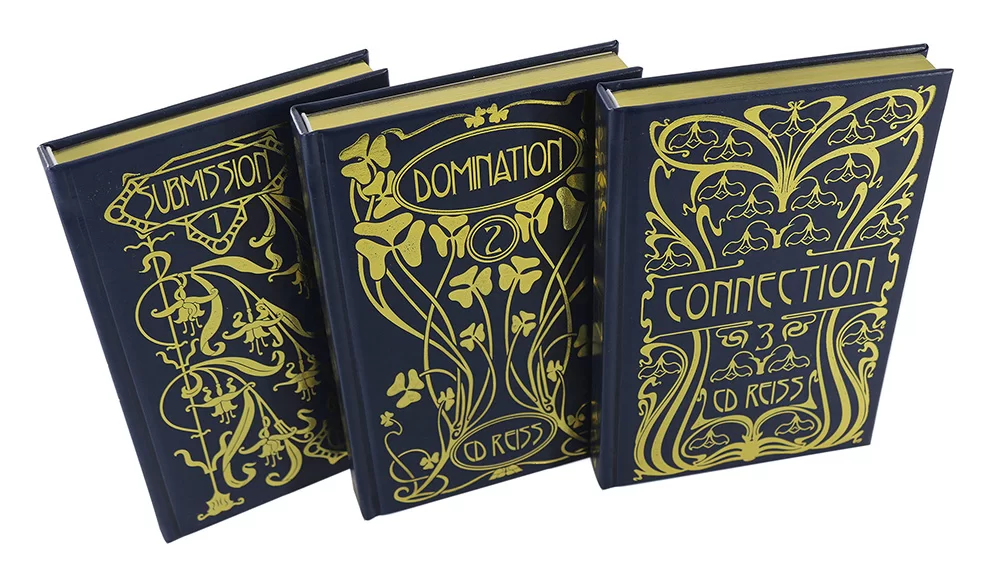
Foil Stamping: Adds a touch of elegance with metallic or colored foil accents.
-
Spot UV: Creates raised, glossy areas that catch the eye.
-
Embossing/Debossing: Creates a raised or recessed design, adding texture and visual interest.
-
Ribbon Bookmark: Adds a practical and elegant touch, making it easy for readers to mark their place.
While add-ons increase the cost, they can significantly enhance the perceived value of your prayer book and contribute to a more premium reading experience.
 |
 |
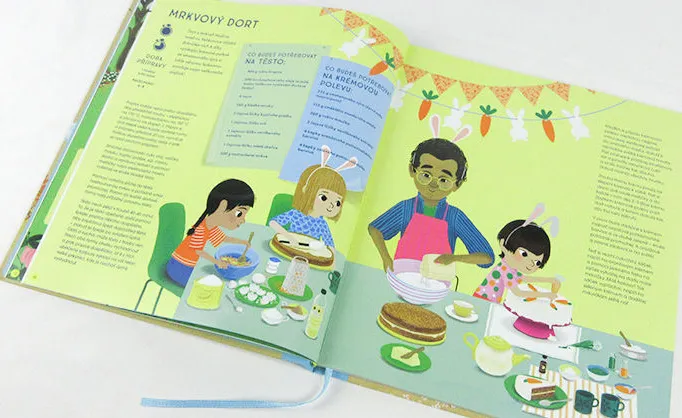 |
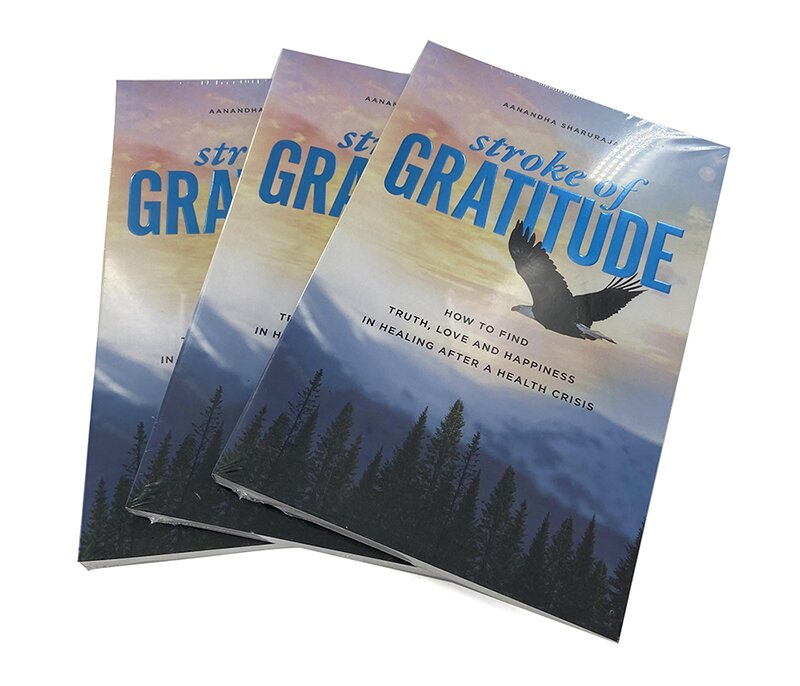
| Foil Stamping | Emboss | Ribbon Bookmark |
Tips to Marketing Your Prayer Book
Printing your prayer book is only half the battle. Now you need to get it into the hands of readers. Here are some marketing strategies to consider:
-
Online Presence: Create a website or social media presence to showcase your prayer book. Share excerpts, testimonials, and behind-the-scenes content.
-
Targeted Advertising: Utilize online advertising platforms (Google Ads, social media ads) to reach specific demographics and interest groups.
-
Bookstores and Religious Retailers: Contact local bookstores and religious retailers to inquire about stocking your prayer book.
-
Community Events: Participate in local events such as church gatherings, book fairs, and community markets to promote your work.
-
Public Relations: Reach out to local media outlets and religious publications to seek reviews and interviews.
-
Email Marketing: Build an email list and send out newsletters announcing new promotions, events, and content related to your prayer book.
-
Amazon and Online Marketplaces: List your prayer book on Amazon and other online marketplaces to reach a wider audience.
Conclusion
A child’s spiritual trip deserves a carefully planned prayer book. This thoughtful creation becomes more than just pages. It turns into a cherished companion that guides children through their daily conversations with God.
Of course, your child’s developmental stage should match the content and design. Young minds connect better with their faith through short, memorable prayers and engaging visuals. The book also needs interactive elements like coloring pages, trackers, and personal prayer spaces to make spiritual practices meaningful and fun.
Your choice of format will shape how children experience their prayer book. Print and digital versions each bring their own benefits to today’s young readers. Print books create deeper emotional bonds and better parent-child moments, while digital formats offer modern convenience with interactive features.
Want to bring your prayer book to life? Print your kids prayer book at BookPrintingChina and see your creative vision become reality. We provide a wide range of prayer book printing solutions, from paper to binding and finishes, we will provide a step-by-step guide to help you print a prayer book that impress your target audience.