


When it comes to printing a book, selecting the right paper is as crucial as the content itself. The choice of paper not only affects the visual appeal of the book but also its durability and overall reading experience. Whether you’re printing a novel, a photography book, or an educational text, understanding the different paper types and their applications can make all the difference.
In this guide, we’ll explore the best paper for book printing and delve into the various factors to consider to ensure your book is printed to perfection.
Different Types of Paper for Book Printing
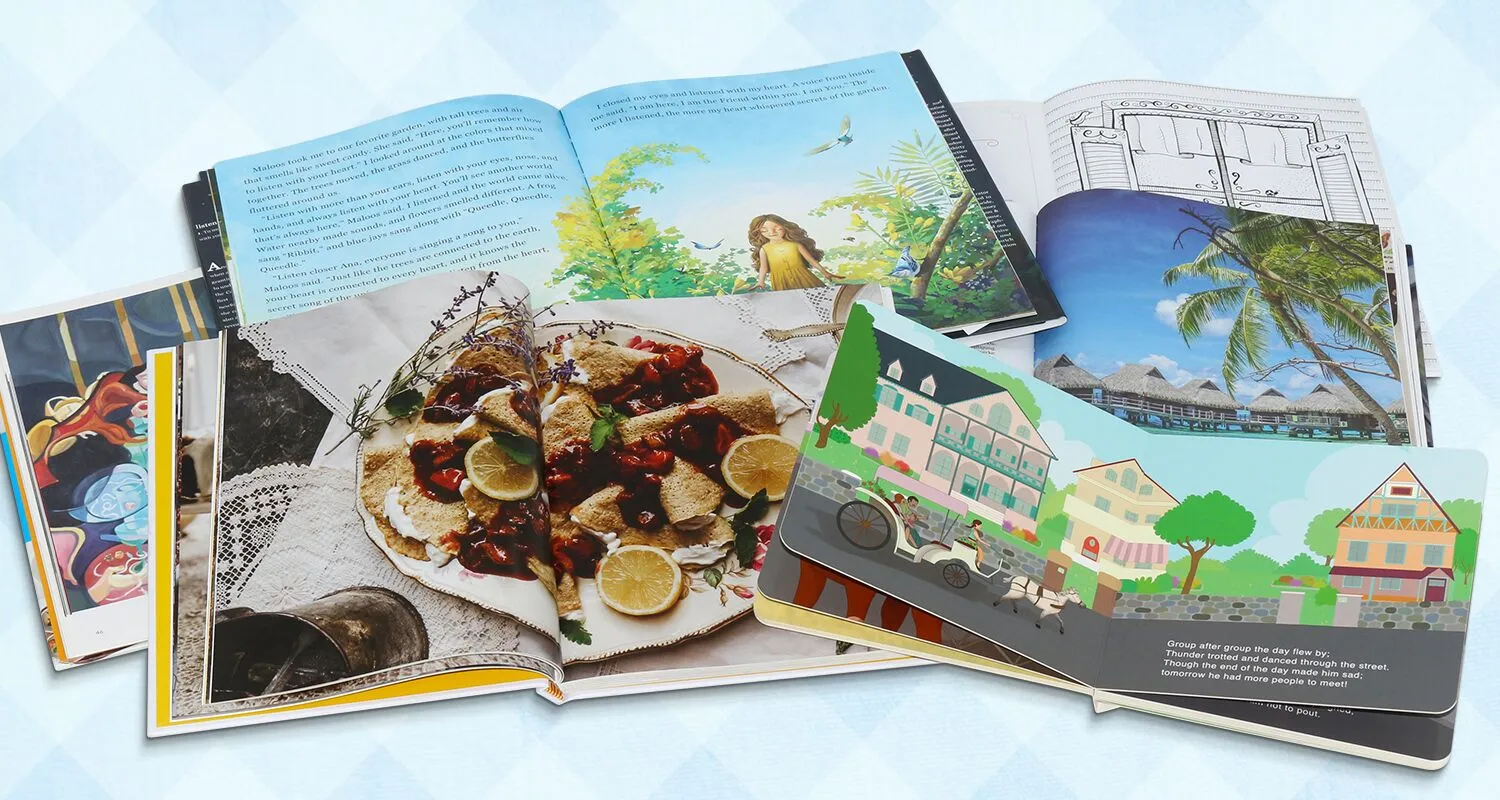
When it comes to book printing, the choice of paper plays a critical role in determining the overall look, feel, and durability of the finished product. Each type of paper has its unique characteristics, making it suitable for specific kinds of books and printing requirements. Below are some of the most common paper types we offer for book production.
Coated Paper
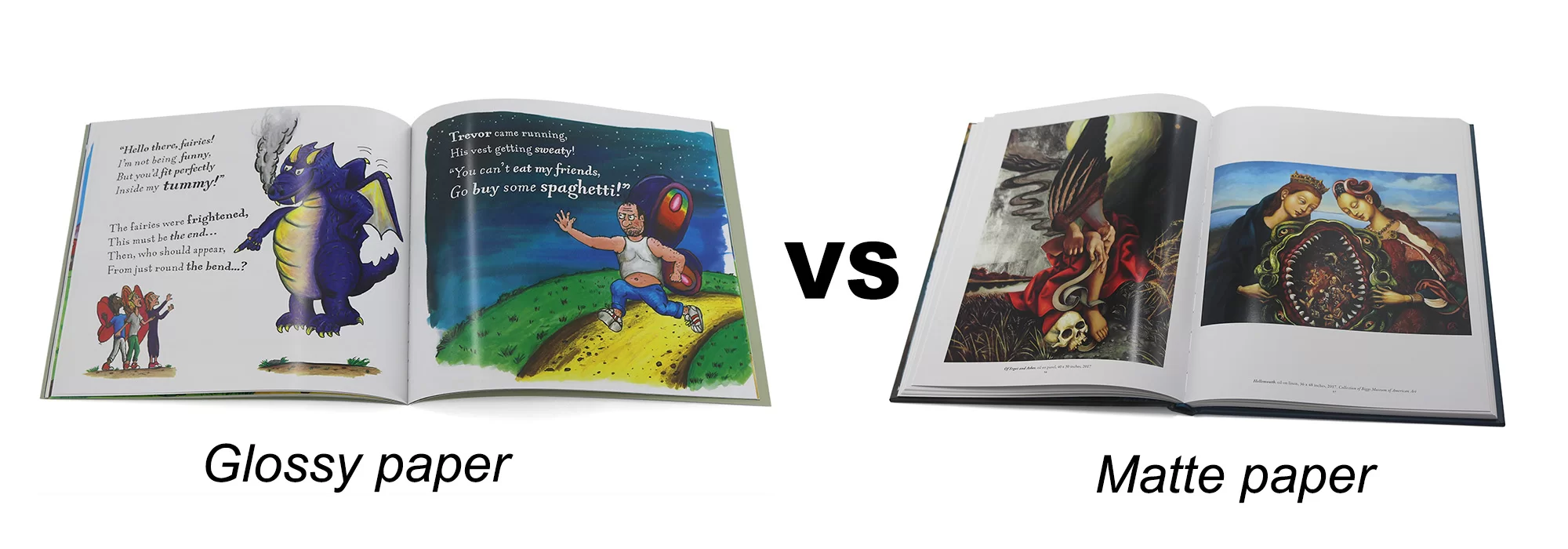
Coated paper refers to paper that has been treated with a surface coating of compounds such as clay, calcium carbonate, or polymers. This coating fills in the paper’s natural fibers, creating a smooth surface ideal for detailed printing. Coated paper is available in finishes such as gloss and matte.
Advantages:
-
Provides sharp image reproduction and vibrant color quality, making it the top choice for books with heavy illustrations, photography, or detailed graphics.
-
Resistant to dirt, smudges, and fingerprints due to its smooth surface.
-
Gloss-coated paper enhances brightness and shine, while matte finishes reduce glare, making text easier to read.
Uncoated Paper
Uncoated paper is paper without a surface coating, leaving the natural fibers exposed. It has a more porous surface, which absorbs ink differently compared to coated paper.
Advantages:
-
Provides a natural and tactile feel, which many readers associate with traditional books.
-
Easy to write on, making it suitable for journals, notebooks, and textbooks.
-
Softer appearance that reduces glare, offering comfortable readability over long periods, ideal for fiction books, reports, etc.
Coated One Side (C1S) Paper
Coated one-sided (C1S) paper is a specialty paper that is coated on one surface, while the reverse side remains uncoated. This dual property provides a balance between high-quality print surfaces and writable, absorbent backs.
Advantages:
-
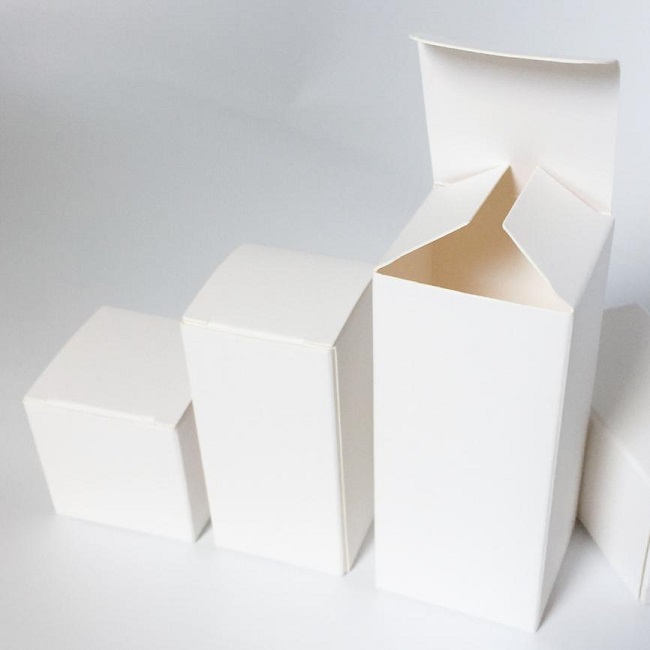
The coated side enables vivid, detailed printing, making it ideal for board books, covers, postcards, or cardboard boxes.
-
The uncoated side is easy to write on or adhesive bonding, making it versatile.
-
Durable and resistant to curling.
-
Offers cost savings compared to fully coated paper while still delivering quality print results where needed.
Specialty Papers
Special papers are designed to meet unique aesthetic, functional, or environmental needs. This category includes recycled paper, synthetic paper, linen paper, cotton paper, and more.
Advantages:
-
Recycled Paper: An eco-friendly option that reduces environmental impact while still providing good print quality. Widely used for sustainable book projects.
-
Synthetic Paper: Made from plastic resins, offering exceptional durability, water resistance, and tear resistance.
-
Linen or Cotton Paper: Adds a textured, premium feel, often chosen for luxury editions, limited prints, or gift books.
-
A wide variety of finishes and weights allows publishers to create unique, memorable products that stand out from traditional printing.
Common Paper Types for Printing Book’s Interior
Choosing the right paper for a book’s interior is essential, as it influences not only the visual quality but also the reading experience. Different papers are suited for different kinds of books, depending on whether the content is image-focused or text-heavy. Three of the most widely used paper types are glossy art paper, matte art paper, and uncoated paper.
 Glossy Art Paper
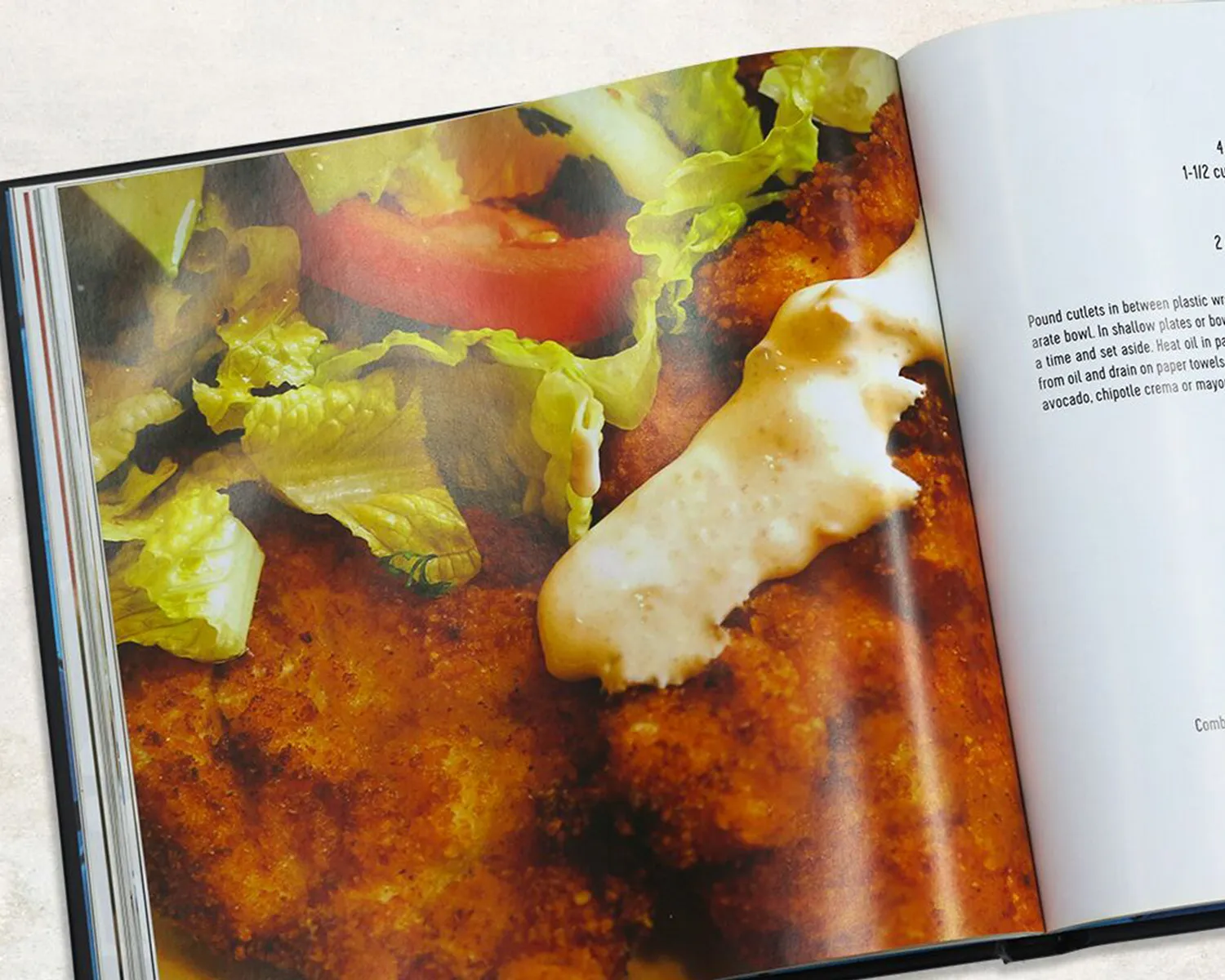
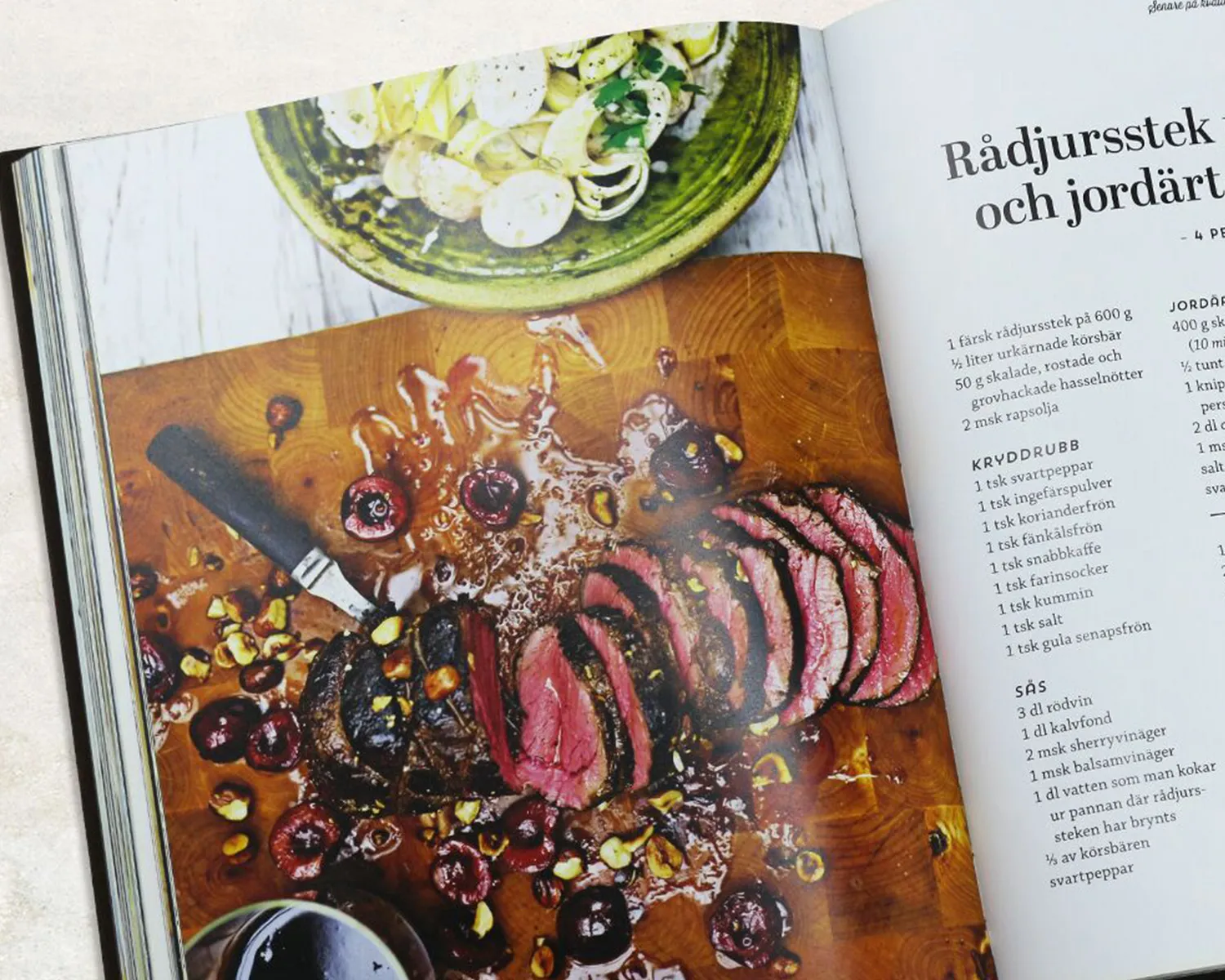
Glossy art paper is coated with a shiny finish that brings out vivid colors and sharp details. This makes it ideal for books rich in illustrations or photography. Children’s books, cookbooks, photo books, comic books, yearbooks, and catalogs often rely on glossy paper to ensure images look bright, polished, and eye-catching. Its reflective surface enhances vibrancy, making visuals appear more lifelike, while also providing durability against smudges and handling.
 Matte Art Paper
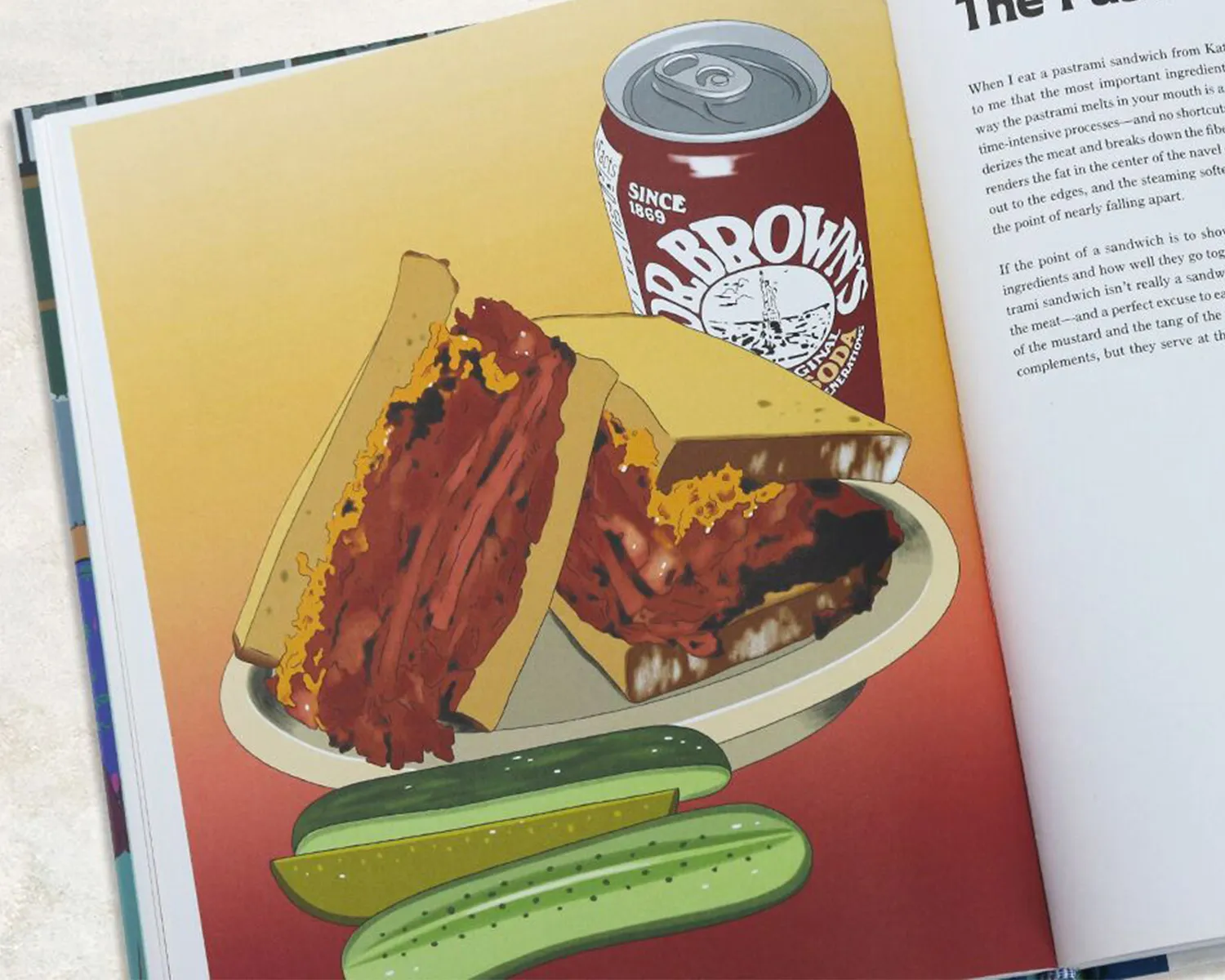
Matte art paper is also coated but has a non-reflective finish. Unlike glossy paper, it provides a softer, more elegant look, reducing glare while maintaining excellent image quality. This makes it perfect for high-end coffee table books, art books, and exhibition catalogs, where rich tones, contrasts, and darker colors need to stand out without distraction. Readers also find matte finishes easier on the eyes, particularly in well-lit spaces.
 Uncoated Paper
Uncoated paper has a natural, slightly textured surface with no coating. Its absorbency and matte appearance make it ideal for text-heavy publications. Educational textbooks, workbooks, coloring books, journals, and notebooks often use uncoated paper due to its comfortable readability and suitability for writing. It is also cost-effective, making it a practical option for novels and everyday books.
Factors to Choose a Book’s Interior Paper
The choice of paper for a book’s interior is one of the most important decisions in the printing process. It directly impacts the book’s appearance, weight, readability, and overall impression. While cover design and binding often get much of the attention, the interior paper is just as critical since it affects the reader’s experience every time they open the book. Several factors should be carefully considered, including book size, page count, content type, and budget.
Size of the Book
The physical dimensions of a book influence the thickness and type of paper used. Generally, smaller books work better with thinner paper, while larger books often need thicker paper to maintain durability and provide a balanced feel.
For example, a 5.5” x 8.5” novel is usually printed on 100gsm offset paper. This weight strikes the perfect balance between durability and readability without making the book feel bulky. Since novels are often text-heavy and run into hundreds of pages, lighter paper ensures the final product is not too heavy for readers to handle.
On the other hand, a 12” x 12” coffee table art book is much larger and designed to showcase high-quality visuals. In this case, 157gsm matte art paper is a more suitable choice. The thicker paper not only adds sturdiness but also provides a premium feel and ensures that vibrant colors, illustrations, and photographs stand out beautifully.
Page Count
When selecting paper for a book’s interior, page count is one of the most critical factors to consider. The thickness and weight of the chosen paper directly influence the overall structure, usability, and appearance of the finished book. Choosing paper that is either too thick or too thin for the page count can result in an unbalanced product—either flimsy and insubstantial, or bulky and difficult to handle. Careful consideration ensures the book feels professional and reader-friendly.
Books with Fewer than 20 Pages
For very short books, such as fewer than 20 pages, durability and substance become essential. Since there are fewer pages to create thickness, 200gsm coated or uncoated paper is often the most suitable choice. The heavier stock gives the book a sturdy feel and prevents it from looking too thin or fragile. But the purpose of the book also plays a role. For example, a 20-page coloring book requires paper that can handle pencils, crayons, or markers without smudging or bleeding. In this case, 140gsm offset paper is ideal.
Books Between 24–32 Pages
When books fall within this range, they are often bound with a spine rather than simple saddle stitching. To make the spine thick enough to print on, the paper must be slightly heavier. 157gsm or 200gsm paper is usually recommended in this case. The extra weight not only compensates for the limited number of pages but also provides the necessary sturdiness for binding. This is particularly important for catalogs, brochures, or slim illustrated books that require a professional finish.
Books Between 32–48 Pages
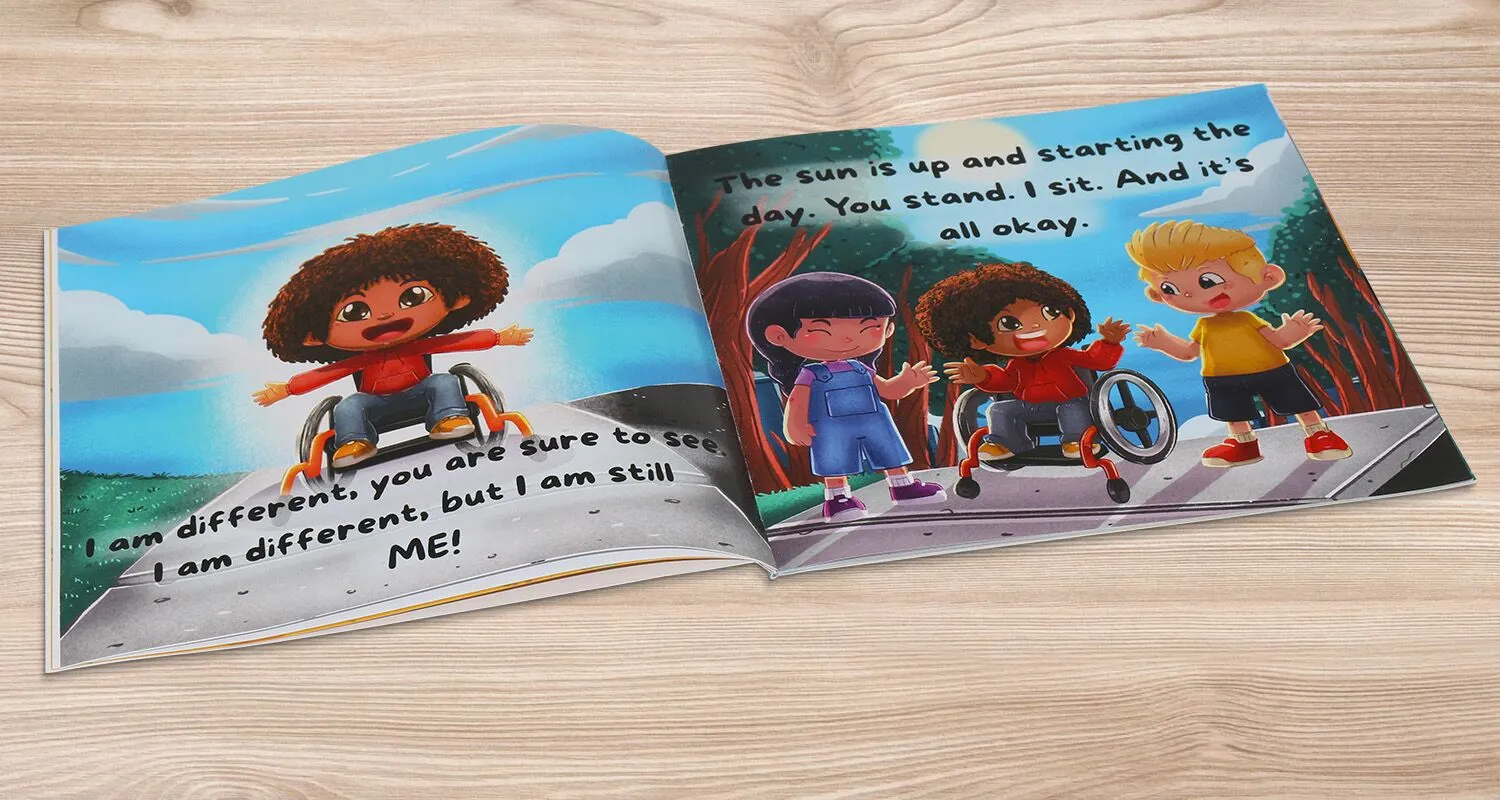
As the page count increases, the need for balance between durability and usability becomes more important. 157gsm coated paper is considered the ideal choice for books in this range, whether they are hardcover or softcover. This weight provides enough thickness for durability while ensuring the book can still open easily and lie relatively flat.
For paperback editions, some publishers choose 128gsm coated paper instead. This lighter option reduces printing costs without sacrificing too much in terms of quality, making it a popular choice for budget-conscious projects.
Books between 48-100 Pages
For books exceeding 48 pages, paper selection requires even more caution. At this stage, paper heavier than 157gsm becomes impractical. Using 200gsm paper for such page counts would result in a bulky, rigid book that is uncomfortable to open and flip through. Thus, 128gsm to 157gsm is generally considered the most suitable weight for books with more than 48 pages.
Books Over 100 Pages
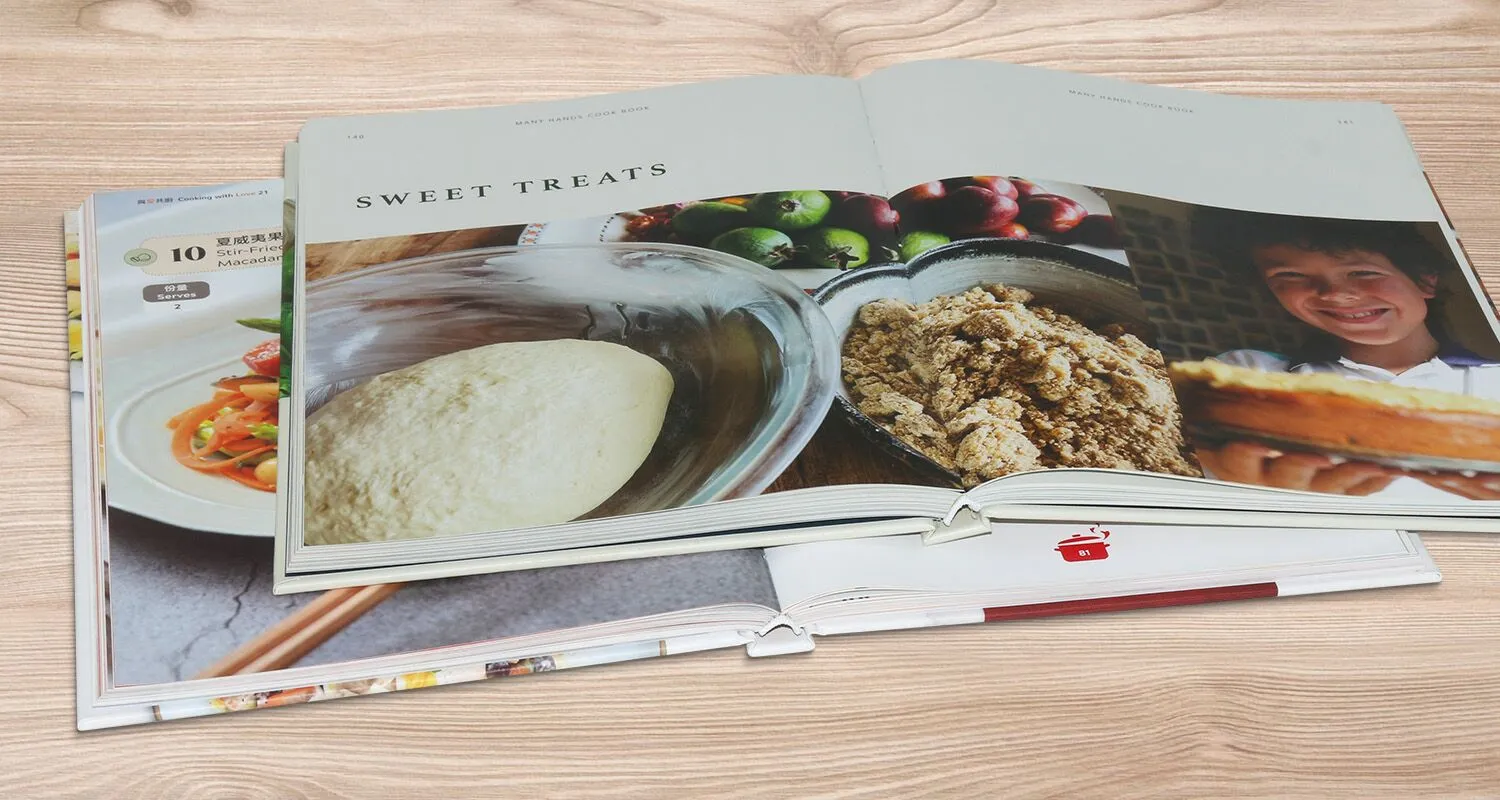
Longer books, particularly those exceeding 100 pages, require thinner stock to remain manageable in both weight and thickness. Options such as 80–100gsm offset paper or 105–128gsm glossy or matte art paper are widely used in this category. Offset paper is ideal for text-heavy books like novels and educational titles, offering comfortable readability and preventing ink show-through. Glossy or matte art papers within the 105–128gsm range are excellent choices for image-rich books, such as children’s story books or photography collections, where high-quality visuals are essential.
Content Type
The content of a book is one of the strongest influences on paper selection. A text-heavy book has very different needs from a visually rich photography book.
-
Books with illustrations or photographs: Glossy or matte art paper is generally the best option for high-quality image reproduction. Paper weights between 128gsm and 157gsm are widely used for children’s books, photography books, and illustration-heavy titles. Glossy finishes enhance vibrancy and sharpness, while matte finishes reduce glare and provide a more refined look.
-
Text-heavy books: For novels, fiction, or educational works where text is the primary focus, 80–100gsm offset paper is the industry standard. Offset paper provides a natural, non-reflective surface that is comfortable to read for long periods. It also reduces ink show-through, ensuring that text remains sharp and clear.
-
Interactive books (workbooks, journals, coloring books): Uncoated paper such as 100–120gsm offset is preferable since it is easy to write or draw on without smudging. The slightly thicker weight prevents ink or pencil marks from bleeding through the pages.
Budget
Budget is always a key consideration when choosing paper. Higher-quality, heavier, or specialty papers will naturally cost more, while lighter or standard options are more affordable.
For publishers with limited budgets, using thinner papers like 80gsm or 100gsm offset can significantly reduce costs for text-heavy books, especially novels or educational titles. Similarly, 128gsm coated paper is a cost-effective alternative to 157gsm for illustrated books, still providing good print quality at a lower price.
Conversely, premium books such as art collections, luxury coffee table editions, or corporate publications often justify the use of 157gsm or even 200gsm coated papers to deliver a high-end finish. While these papers increase production costs, they elevate the book’s perceived value and appeal.
Balancing cost with purpose is crucial. For example, a mass-market paperback novel might use budget-friendly offset paper, while a limited edition photography book would demand thicker matte art paper despite the higher expense.
Paper for Book Cover Printing
When it comes to book printing, the cover is more than just a protective layer—it is the first impression a reader has of the book. The choice of cover paper not only determines the book’s durability but also influences its appearance, weight, and overall quality. Different book formats require different cover paper solutions to suit both function and aesthetics. Below are the most common paper types used for softcover, hardcover, and board book covers.
Softcover Book Cover Papers
Softcover books, also known as paperbacks, are widely used for novels, workbooks, catalogs, and many other types of publications. For these covers, we typically use 200–350gsm coated paper, which is then laminated after printing to enhance durability and appearance.
350gsm coated paper is the most common choice for paperback book covers. After lamination—either matte, glossy, or soft-touch—the cover feels thicker, sturdier, and heavier, giving the book a professional and long-lasting finish.
200gsm coated paper is a more economical option, often chosen for budget-conscious projects. While lighter in weight, it still provides adequate durability, especially when paired with lamination.
In most cases, the thicker the interior page count, the sturdier the cover needs to be to support the weight of the book and ensure durability over time. But there are exceptions. Sometimes, the cover paper is the same thickness as the interior pages, a style known as a “self-cover.” This approach is commonly used for short catalogs, brochures, or booklets where cost efficiency and simplicity are the priorities.
Hardcover Book Cover Papers
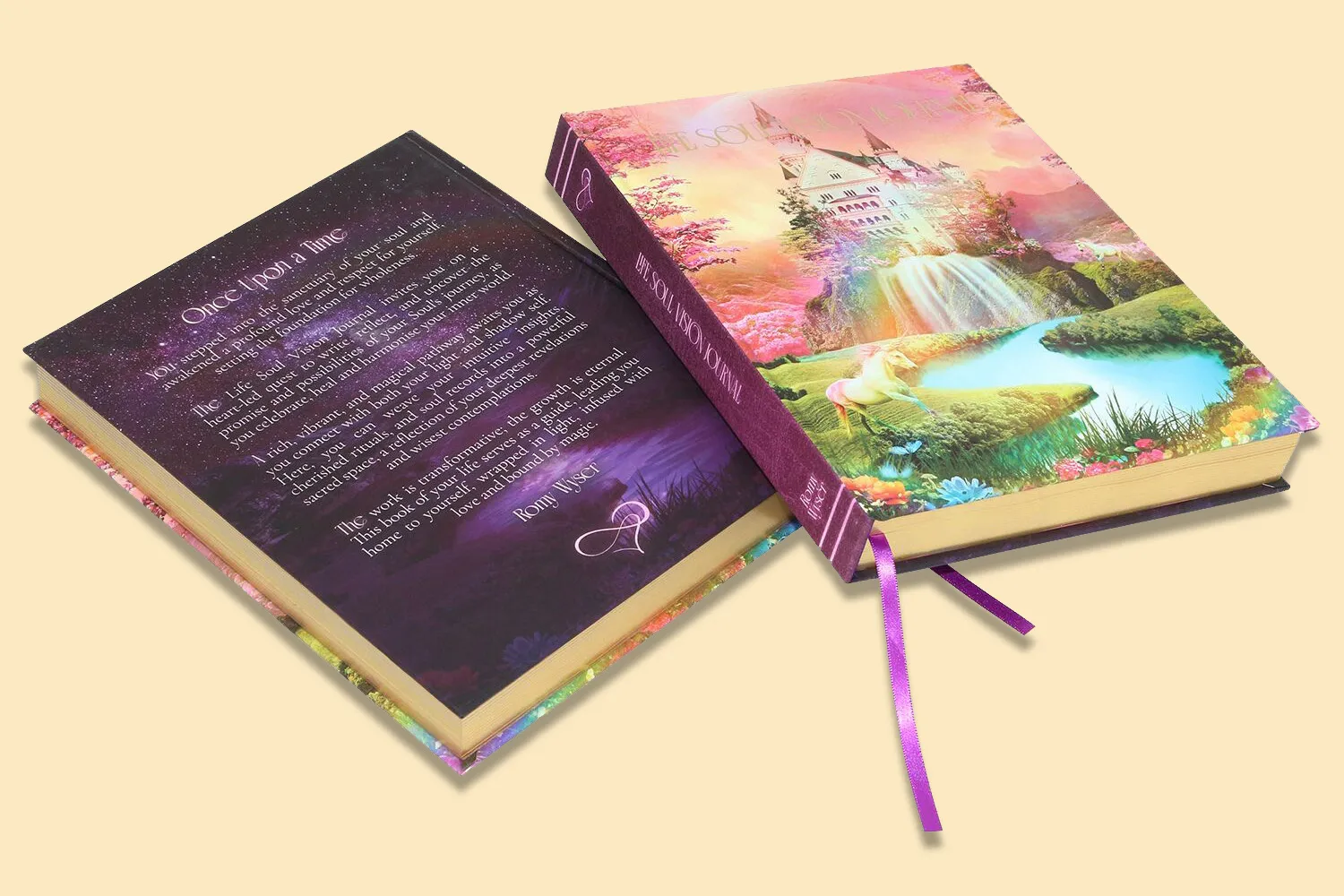
Hardcover books require a more durable structure to protect the pages inside and to give the book a premium appearance. For this type of cover, we generally use 157gsm glossy or matte art paper that has been printed and laminated. This printed sheet is then mounted onto a 2–3mm gray board, which provides strength and rigidity.
The 157gsm laminated art paper serves as the decorative outer layer, allowing for high-quality printing, vibrant colors, and protective finishing. The gray board is the structural element. The thickness of the board is usually determined by the number of interior pages—the more pages the book has, the thicker the board should be to adequately support the weight.
In addition to laminated printed paper, hardcover books may also feature other materials for a distinctive finish. Options include cloth covers, leatherette (faux leather), or specialty papers with textures or metallic effects. These materials are popular for limited editions, luxury publications, art books, and gift editions, where aesthetic appeal and tactile experience are just as important as durability.
Board Book Cover Papers
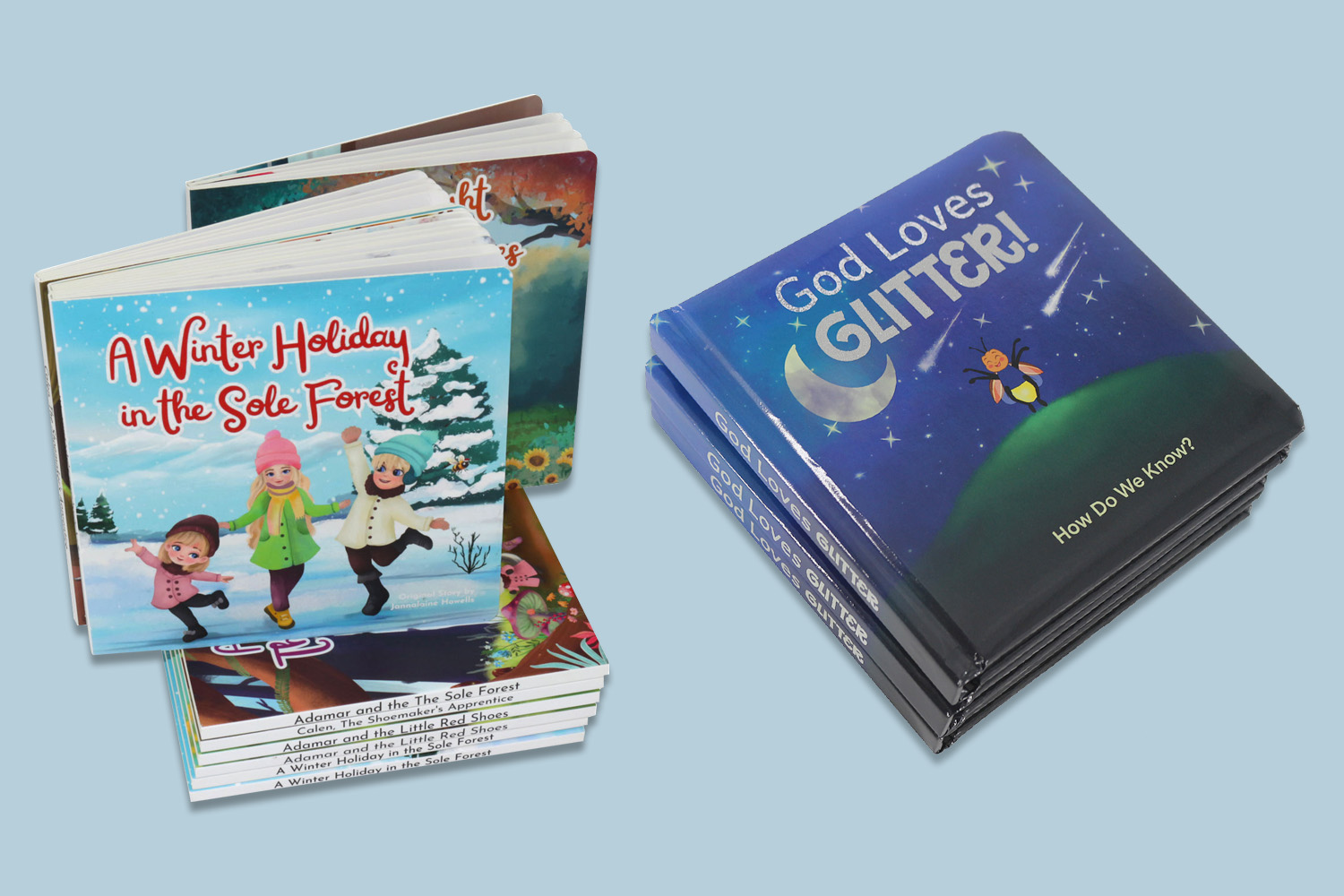
Board books are most often used for younger children’s books, where durability and safety are crucial. Unlike softcover or hardcover books, board books are designed so that the cover and interior pages are all made from sturdy, thick board for maximum resilience.
There are two common approaches to board book covers:
-
Self-cover board books: In this format, all pages—including the cover—are made from two sheets of 350gsm C1S (coated one side) paper mounted together. The C1S paper allows one side to be printed with colorful illustrations, while the uncoated side is suitable for adhesive bonding. The result is thick, durable pages that can withstand frequent handling by young children.
-
Hardcover board books: These covers are produced in the same way as standard hardcover books. The covers use 157gsm printed and laminated art paper mounted on 2–3mm gray board, providing extra rigidity and strength. This type is often used for premium children’s board books or interactive titles that need a more traditional hardcover feel.
Paper Types for Special Printing
Besides standard interior and cover papers, many books incorporate special paper types for features such as dust jackets, endpapers, slipcases, or inserts. These special elements enhance the book’s durability, visual appeal, and overall value, making them especially important in premium editions, art books, coffee table books, and collector’s items. Below are some of the most commonly used paper types for special printing, along with their functions and advantages.
Dust Jackets
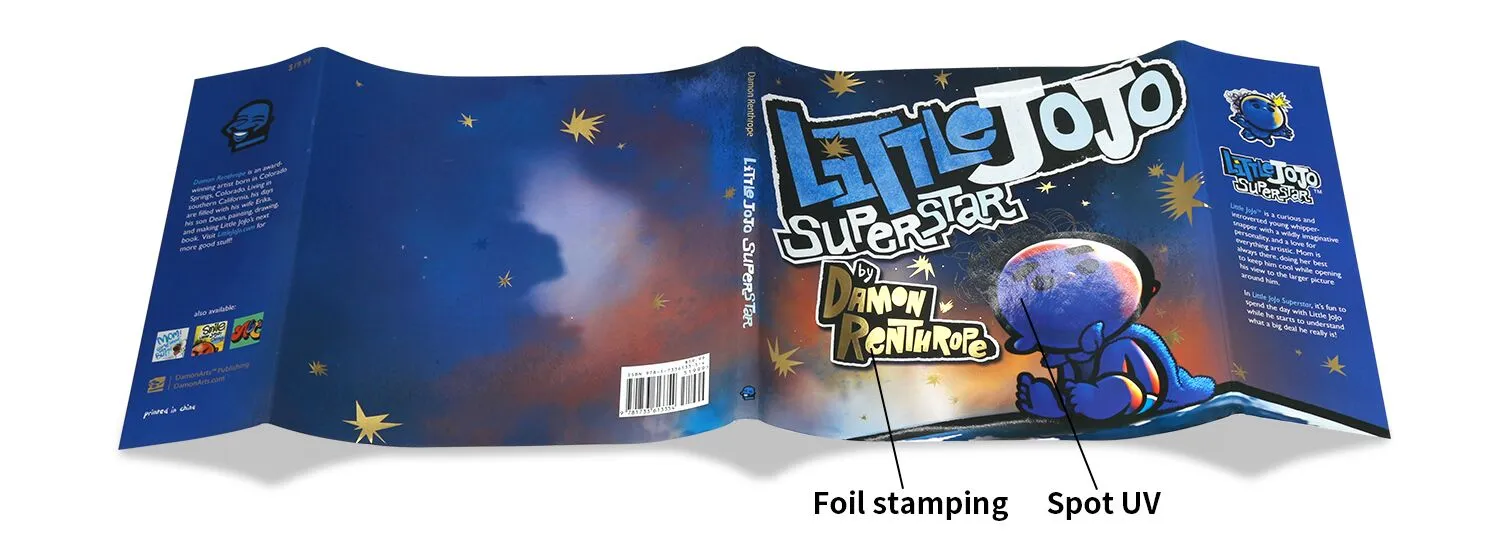
Most of our dust jackets are produced using 157gsm glossy or matte art paper, which is then laminated after printing. This weight is strong enough to resist tearing while still flexible enough to wrap around the book. The lamination adds an extra protective layer against scratches, fingerprints, and wear, while also enhancing the finish—gloss lamination for a shiny, vibrant effect and matte lamination for a refined, elegant look. Dust jackets not only protect the cover but also serve as a design element that enhances the book’s visual appeal.
Endpapers
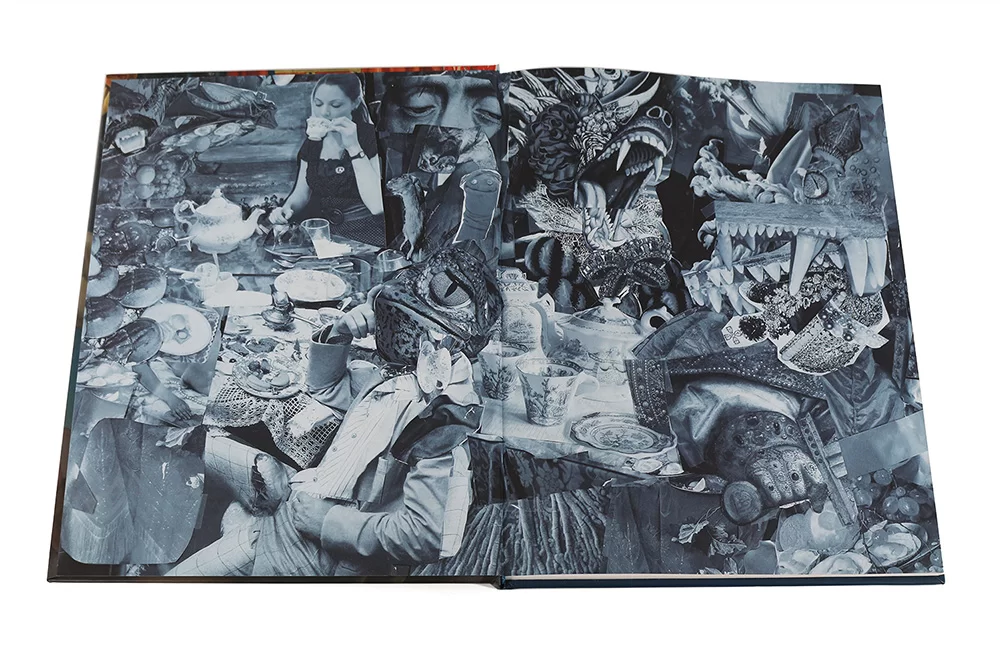
Endpapers are not just decorative—they are functional. They are glued to both the book block and the inside of the hardcover cover, essentially holding the entire book together. If the paper is too thin (e.g., 80gsm or 100gsm), it won’t provide enough strength to support the binding and may tear easily. So, we typically recommend using 140–160gsm offset paper for the endpapers, due to this range of paper weight has the right sturdiness to strengthen the connection between the block and cover.
Some publishers prefer 157gsm coated paper for endpapers if they want printed designs or images to appear sharp and vibrant. Others may choose 140gsm textured or colored paper to add a unique tactile or visual effect, often used in premium editions and art books.
Slipcases
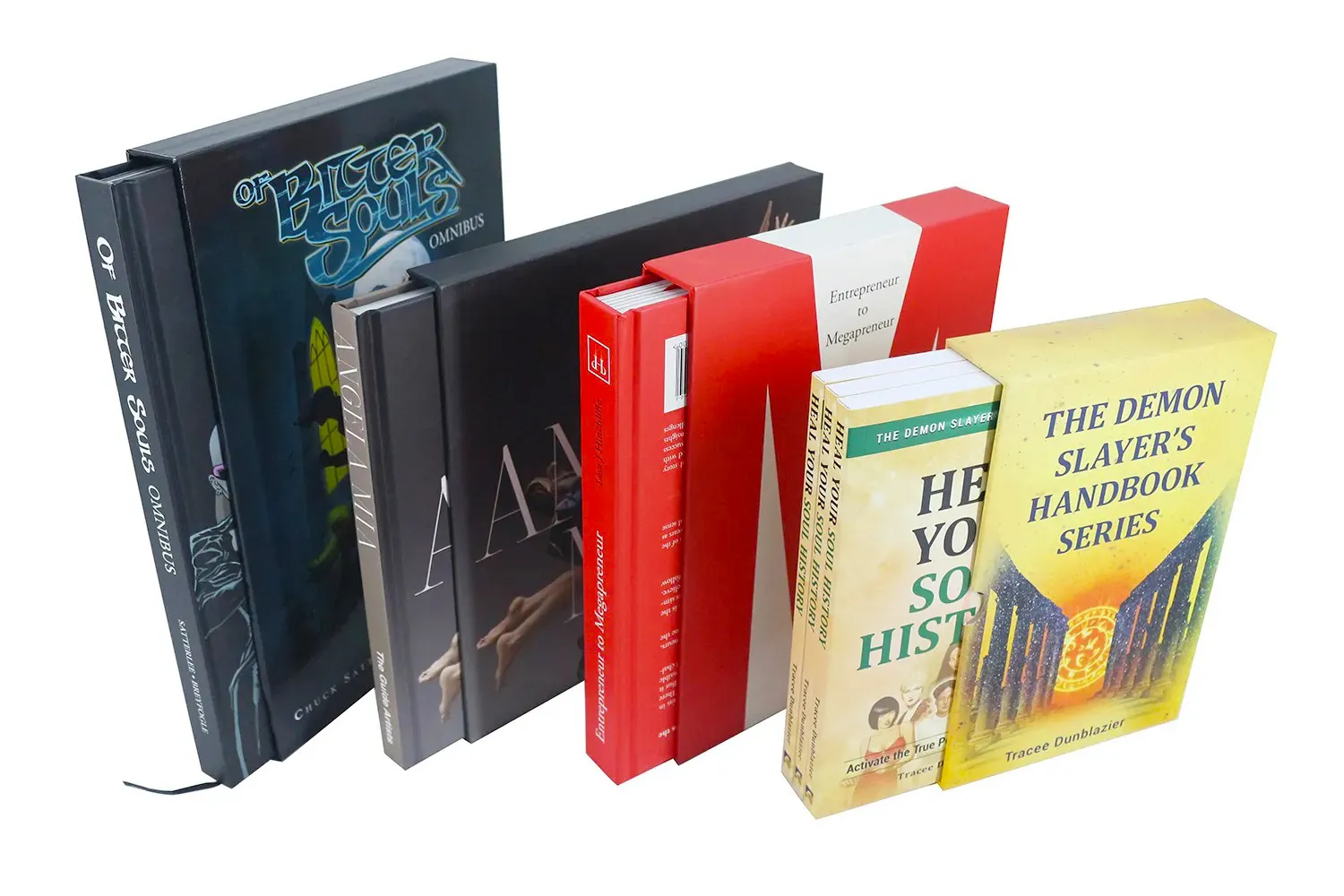
Slipcases provide an extra protective housing for books, commonly used for collector’s editions, box sets, or luxury publications. These are typically made from printed and laminated 157gsm coated paper mounted onto 2–3mm grayboard. The grayboard ensures durability and rigidity, while the laminated coated paper allows for high-quality printing and finishing. Slipcases not only protect books from dust and damage but also add an element of sophistication, making them perfect for display.
Vellum Paper Inserts
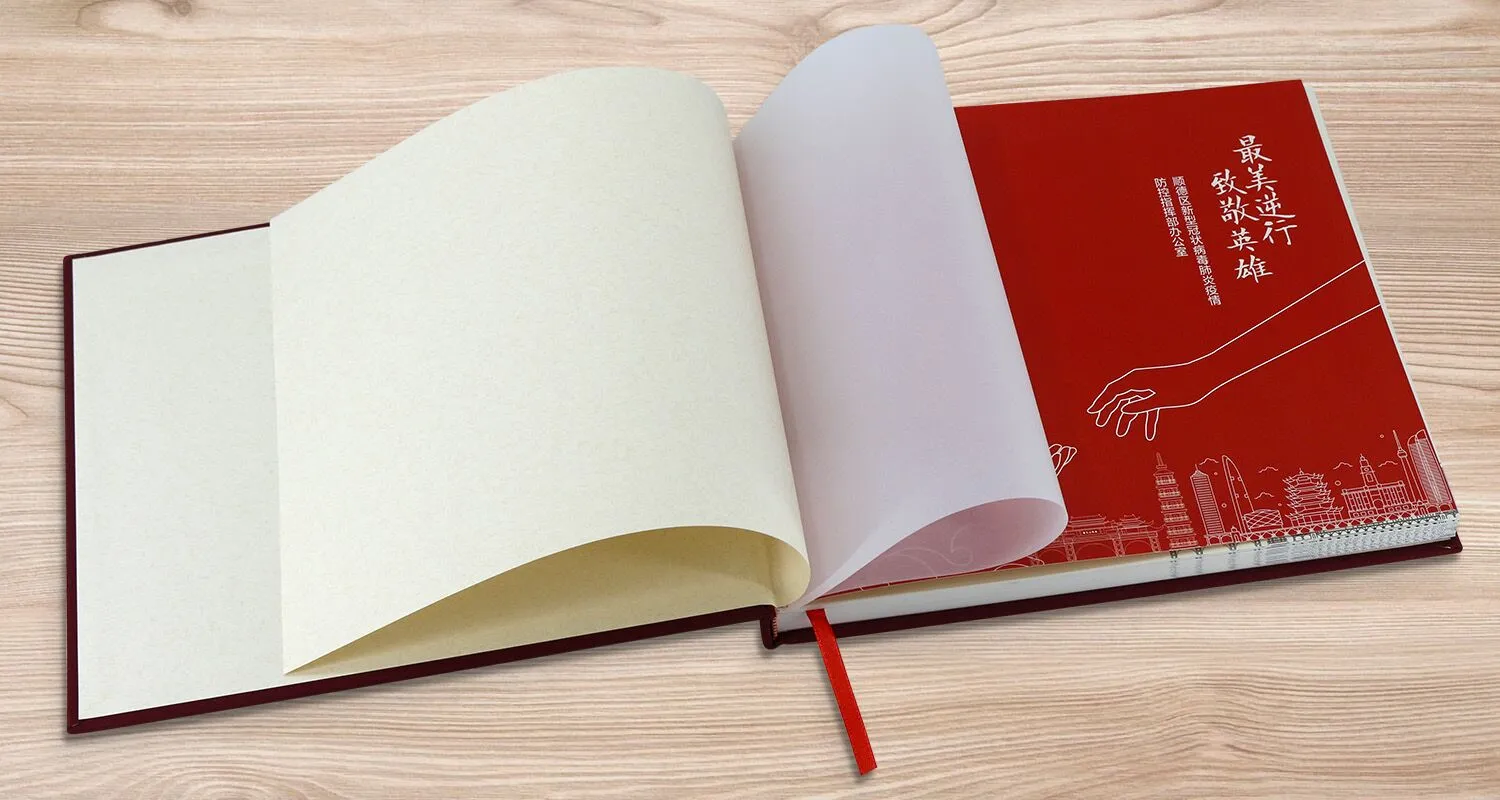
For high-end projects such as art books or coffee table books, translucent vellum paper is sometimes used as an insert to protect color pages. These semi-transparent sheets add a touch of elegance and help prevent ink transfer between richly illustrated pages. Vellum inserts also serve as design elements, creating moments of pause in the book’s flow and adding to the overall aesthetic experience.
Bible Paper
Certain types of books, such as Bibles or encyclopedias, require extremely thin yet durable paper to accommodate a large number of pages while keeping the book compact and lightweight. Bible paper, also known as India paper, is specifically engineered for this purpose. Despite its thinness, it is strong, opaque, and smooth, making it possible to print thousands of pages in a single volume without excessive bulk.
Munken Paper and Lightweight Options
For publishers seeking a lightweight yet elegant appearance, Munken paper or other lightweight uncoated stocks are often chosen. Munken paper is prized for its natural shade, smooth surface, and eco-friendly qualities. It is ideal for design-conscious projects, literary works, or publications that require a refined but not overly glossy look. Its lightweight nature also makes it practical for books that need to remain portable and easy to handle.
Ready to Print?
Choosing the best paper for book printing requires careful consideration of various factors, including size, page count, content, and budget. At BookPrintingChina, we have over 25 years of experience in custom book printing, offering expert guidance and high-quality results. Whether you’re looking to print board books, paperbacks, hardcovers, or other formats, we’re here to help bring your vision to life with professional quality at an affordable price.
If you have any questions or need assistance in selecting the right paper, binding, or finishes, feel free to reach out to our printing experts. We’re committed to supporting you in creating a book that not only meets your expectations but exceeds them. Contact us today, and let’s get started on your next printed masterpiece!