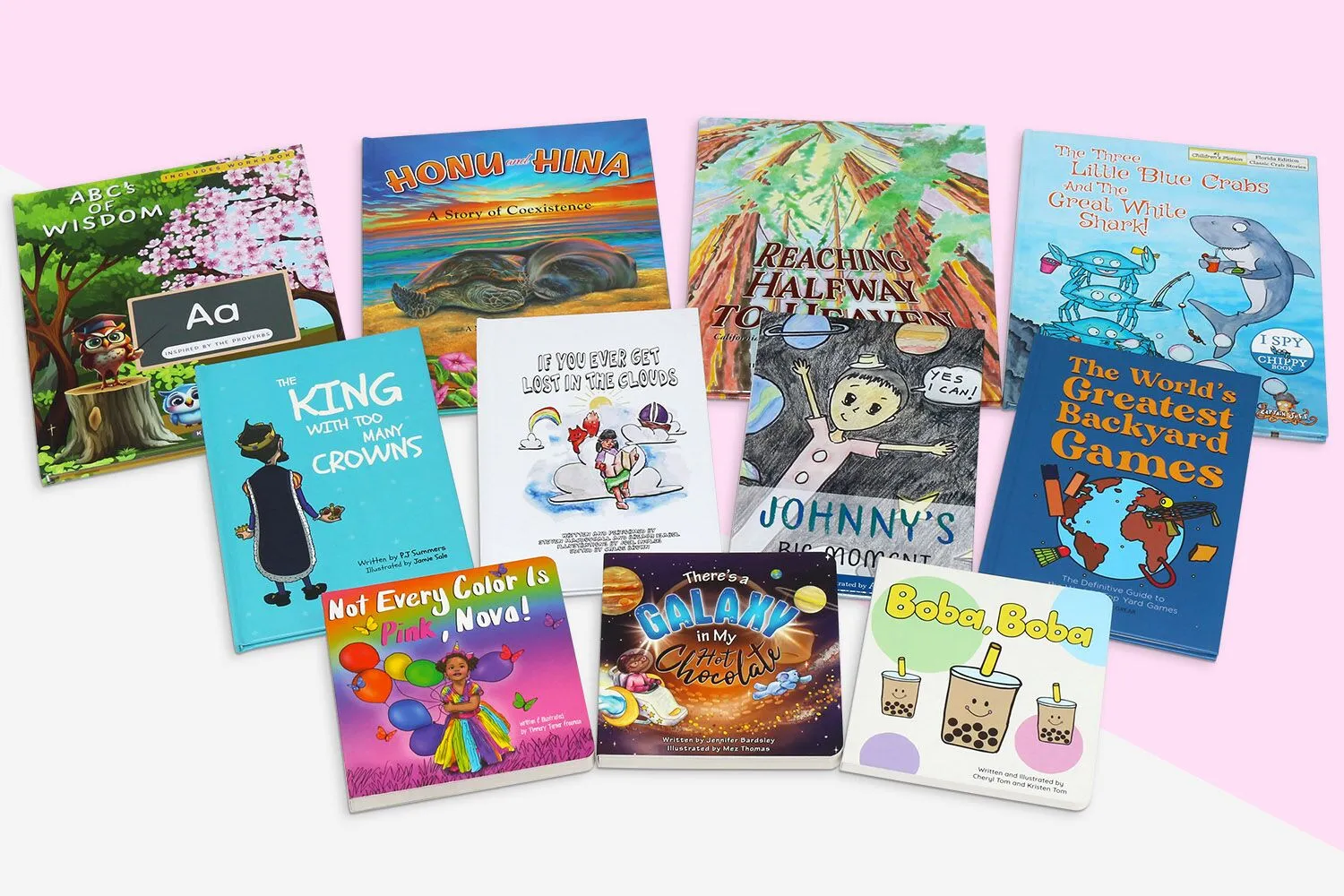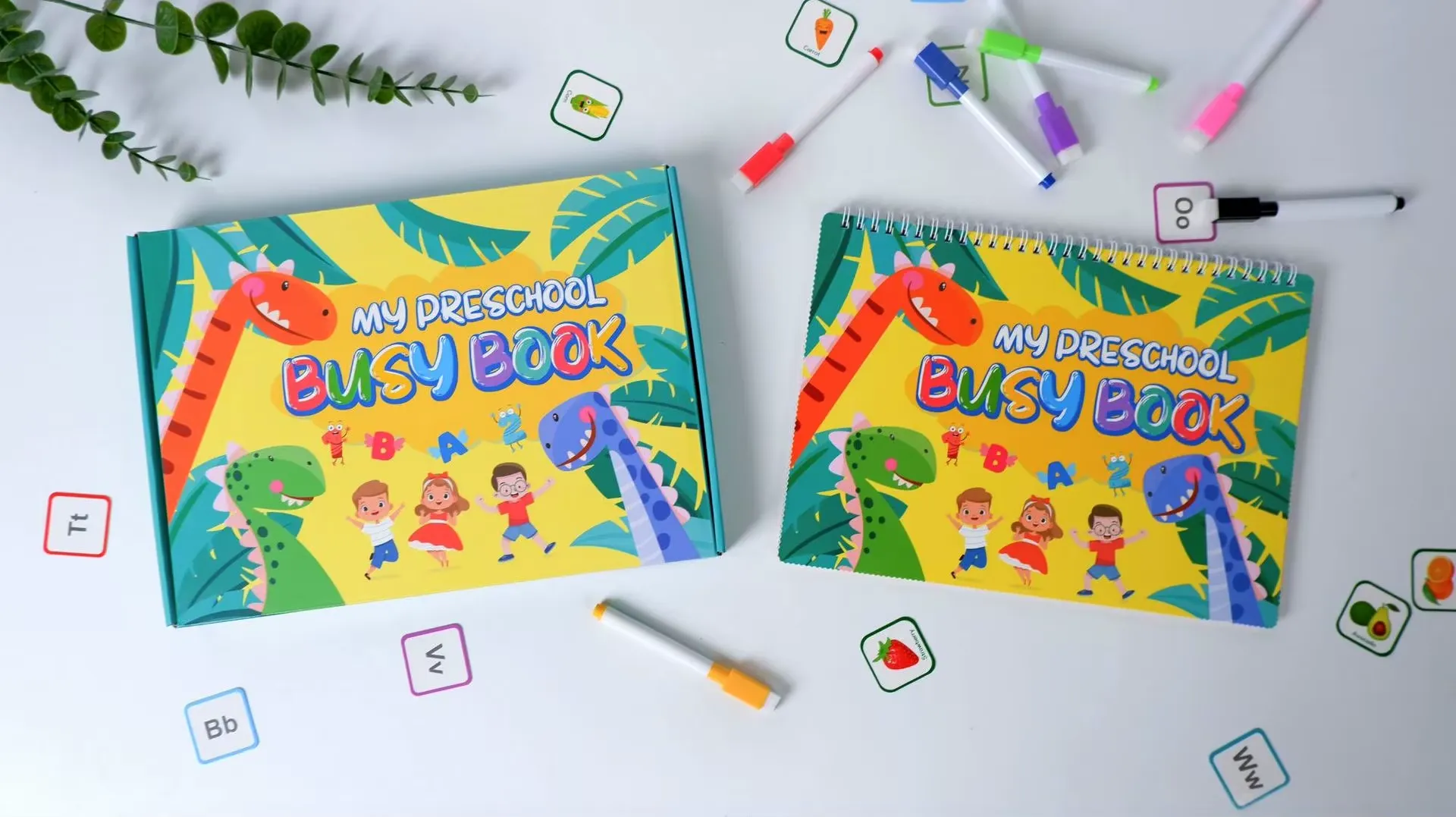



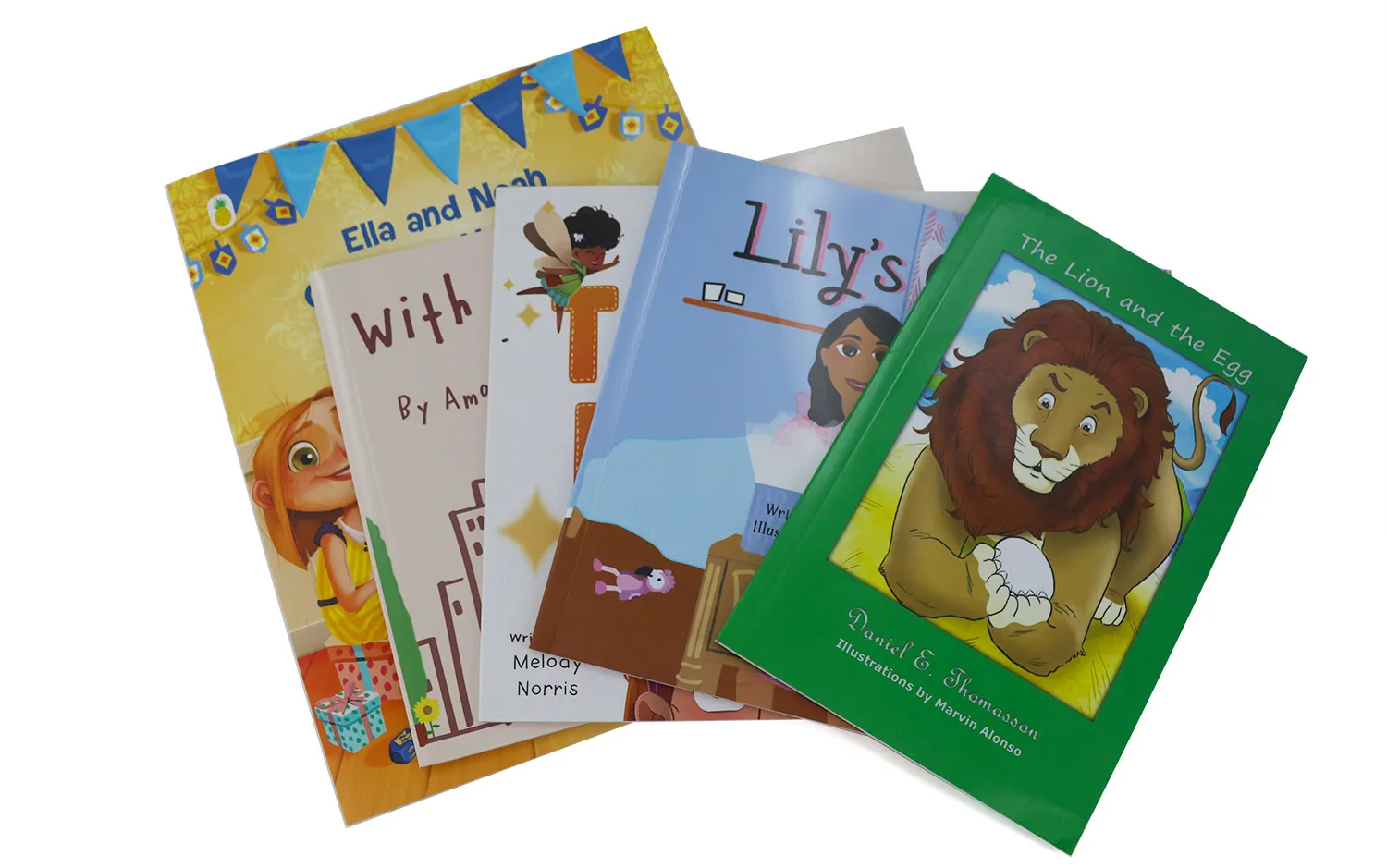
As an experienced publisher or author, you understand the importance of creating engaging and durable children’s books. These books are not only sources of entertainment but also valuable tools for fostering imagination, creativity, and early literacy skills. One of the most popular formats for children’s books is the paperback, or softcover, edition. However, ensuring that these books can withstand the wear and tear of curious young hands and frequent use can be a challenge.
In this comprehensive guide, I will share valuable insights and practical tips to help you print paperback children’s books that are both durable and functional. We will explore the binding techniques, paper choices, cover enhancements, and innovative design elements that can elevate the overall quality and longevity of your softcover children’s books.
Using Sewn Binding nor PUR Binding
When it comes to binding techniques for paperback children’s books, two options stand out: sewn binding and PUR (polyurethane reactive) binding. Each method offers unique advantages and considerations.
Durability
One of the most crucial factors in ensuring a book’s longevity is the binding method employed. When it comes to paperback children’s books, sewn binding stands out as the superior choice for durability.
Sewn binding, also known as thread-sewn or smyth-sewn binding. It is a traditional and time-tested method that involves stitching the individual signatures (folded sheets of paper) together using strong threads. This technique creates a stronger, more resilient spine that can withstand the wear and tear of frequent handling by little hands. With sewn binding, the pages are less likely to detach or become loose over time, ensuring that your book remains intact even after countless adventures.
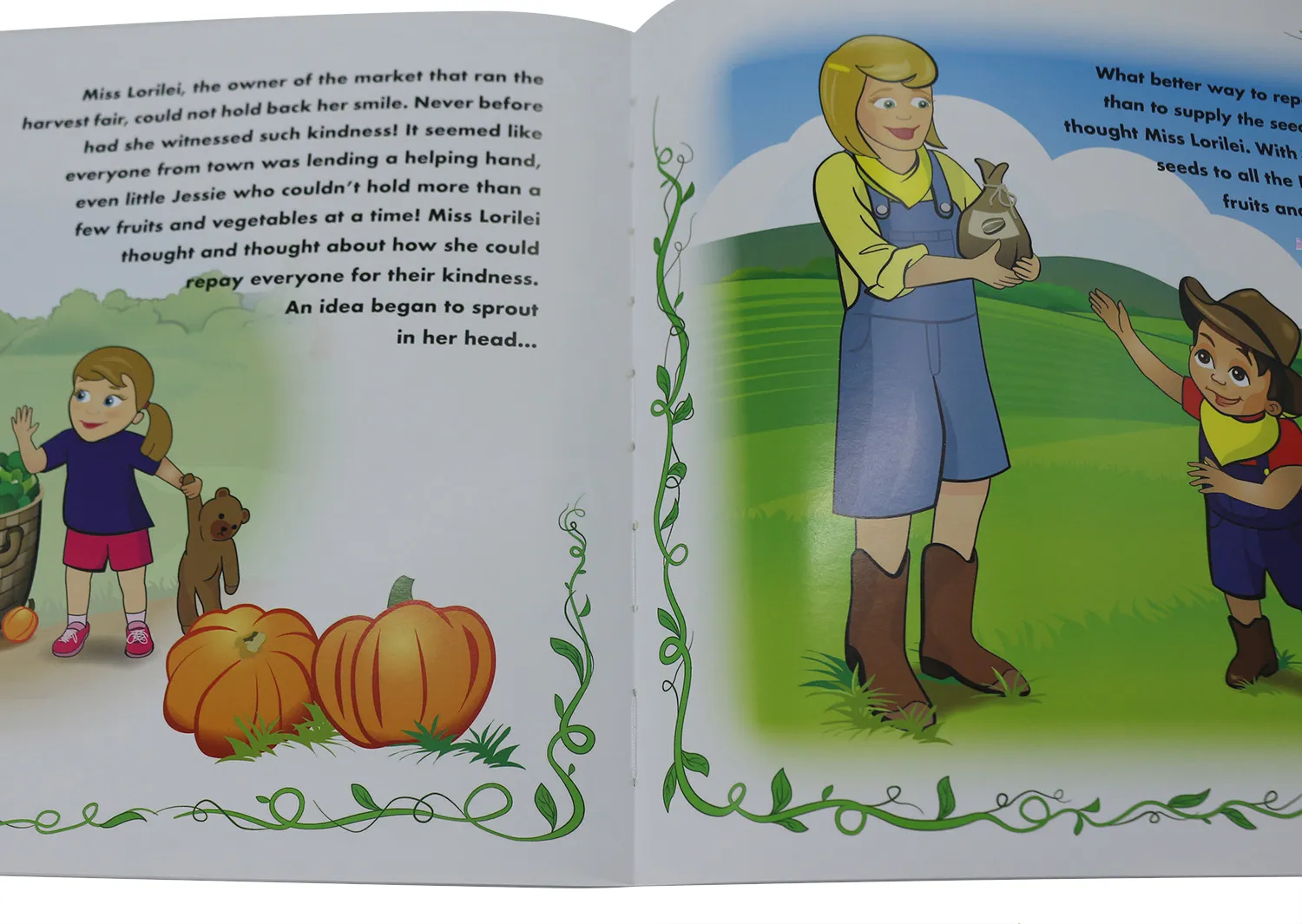
In contrast, PUR binding relies on a strong adhesive to bind the pages together. PUR binding can be a cost-effective option. But it may not offer the same level of durability as sewn binding, especially when it comes to heavy usage by children.
Functionality
In addition to durability, sewn binding offers a significant advantage in terms of functionality.
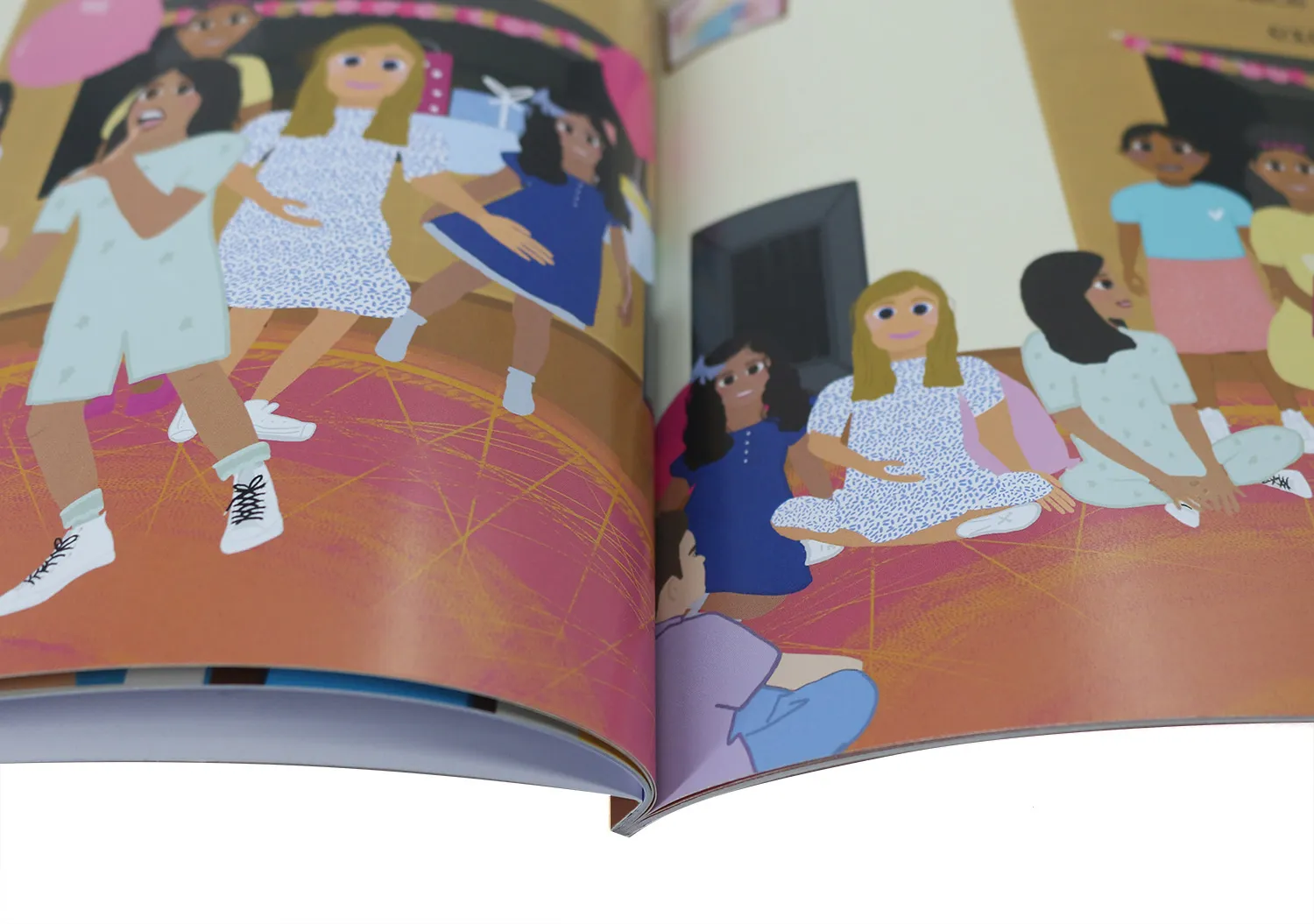
Sewn binding allows the pages to lay completely flat when the book is opened. It is easier for young readers to engage with the content and illustrations. It is particularly beneficial for children’s books, as it enhances the reading experience and encourages.
Young readers can easily follow along with the story without the frustration of constantly holding the pages down or struggling to keep the book open. This seamless functionality encourages engagement and fosters a love for reading from an early age.
On the other hand, PUR-bound books may not open as flat as sewn-bound books, which can be a drawback. Especially for interactive or activity-based children’s books that require ample space for writing or coloring.
Picking Thicker Cover Paper Whenever Possible
The cover of a paperback children’s book serves as its first line of defense against wear and tear. To ensure maximum durability, it is essential to choose a thicker cover paper whenever possible. Popular cover paper weights range from 250gsm to 350gsm coated cover paper.
Opting for a heavier cover paper not only provides added protection but also lends a substantial and premium feel to the book. This tactile experience can enhance a child’s appreciation for the book and encourage them to treat it with care.
Furthermore, a thicker cover paper is less susceptible to creasing, tearing, or other forms of damage that may occur during playtime or transportation. By investing in a robust cover, you create a book that can withstand the adventures of childhood while maintaining its pristine appearance.
Choosing the Thicker Interior Paper
In addition to a durable cover, the interior pages of a paperback children’s book also play a crucial role in ensuring its longevity and functionality.
The interior pages of a paperback children’s book are the canvas upon which the story unfolds. Choosing a thicker paper stock for the interior pages not only enhances the book’s durability but also contributes to a more enjoyable reading experience.
Thicker paper is less prone to tearing or creasing, ensuring that the book can withstand the inevitable wear and tear that comes with frequent handling by young readers. This added durability allows the book to maintain its structural integrity, preventing pages from becoming loose or detached over time.
Additionally, thicker paper provides a more substantial feel, which can make the book feel more valuable and cherished. This tactile experience can foster a deeper connection between the child and the book, encouraging them to treat it with care and respect.
When it comes to selecting the ideal paper weight for the interior pages of a paperback children’s book, the popular range is between 128gsm and 157gsm. However, if the book has fewer pages, such as 32 or fewer, a heavier paper weight of 157gsm or even 200gsm can be an excellent choice.
Opting for a higher paper weight when the page count is lower not only enhances durability but also contributes to a more premium and substantial feel. This added weight can make the book feel more substantial in a child’s hands, creating a sense of value and importance.
By carefully considering the page count and selecting an appropriate paper weight. You can strike the perfect balance between durability, functionality, and a delightful reading experience for young readers.
Applying Lamination On the Cover
To further enhance the durability and appeal of a paperback children’s book, consider applying a protective lamination to the cover. Lamination not only adds an extra layer of protection against scuffs, scratches, and moisture but also allows for various finishes that can elevate the book’s visual appeal.
-
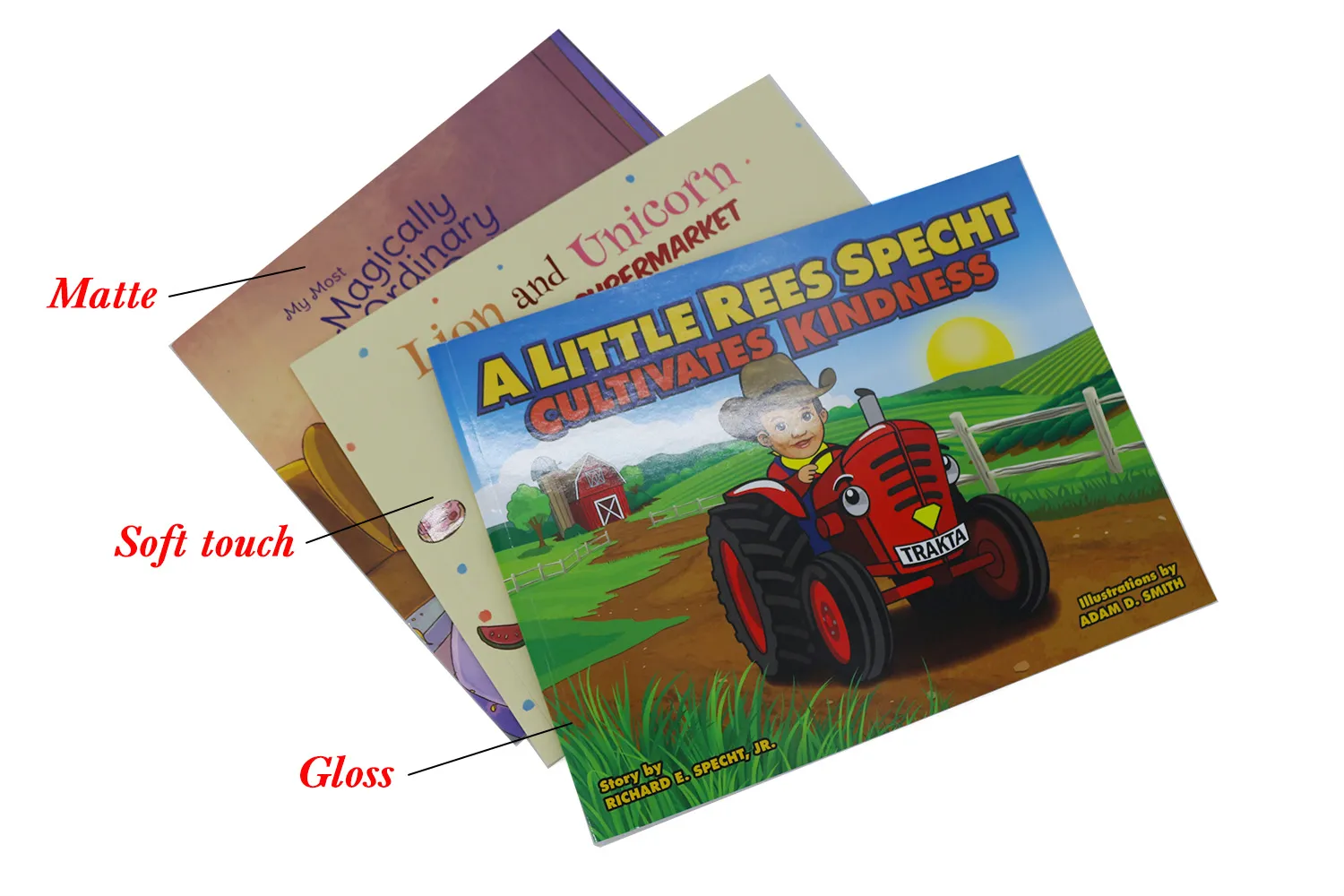
Gloss Lamination: A glossy finish can make the cover illustrations and colors pop. It creates a vibrant and eye-catching appearance that captivates young readers. This finish is particularly well-suited for books with bold, colorful designs.
-
Matte Lamination: For a more subtle and understated look, a matte lamination can provide a velvety, non-reflective finish. This option is ideal for books with intricate illustrations or delicate designs that may be overpowered by a glossy finish.
-
Soft Touch Lamination: As the name suggests, a soft touch lamination offers a velvety, tactile experience that can enhance the book’s appeal to young readers. This finish creates a luxurious feel and can make the book more inviting to touch and hold.
By carefully selecting the appropriate lamination finish, you can not only safeguard the cover against wear and tear but also create a visually stunning and tactile experience that resonates with children.
Rounding Corners
One often overlooked aspect of enhancing the durability and functionality of a paperback children’s book is rounding the corners. Sharp corners can be prone to bending, creasing, or even tearing, particularly when handled by enthusiastic young readers.
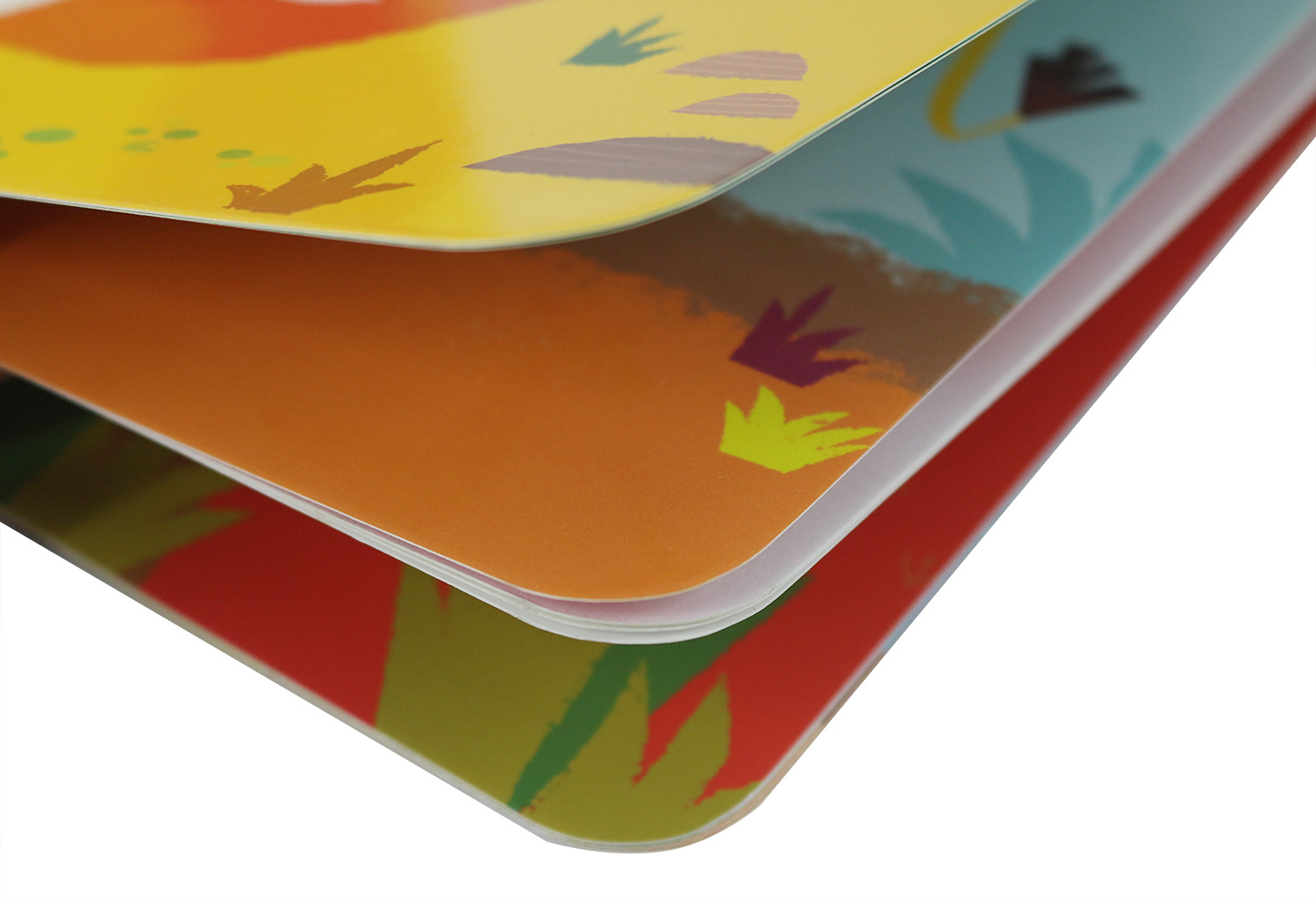
By rounding the corners of the cover and interior pages, you create a smoother, more streamlined design that is less susceptible to damage. This simple yet effective technique not only prolongs the book’s lifespan but also eliminates potential safety hazards posed by sharp corners.
Rounded corners also contribute to a more ergonomic and comfortable reading experience for children. The smooth edges reduce the risk of paper cuts or discomfort, allowing young readers to fully immerse themselves in the story without distractions.
Adding Interactive Elements to Enhance Functionality
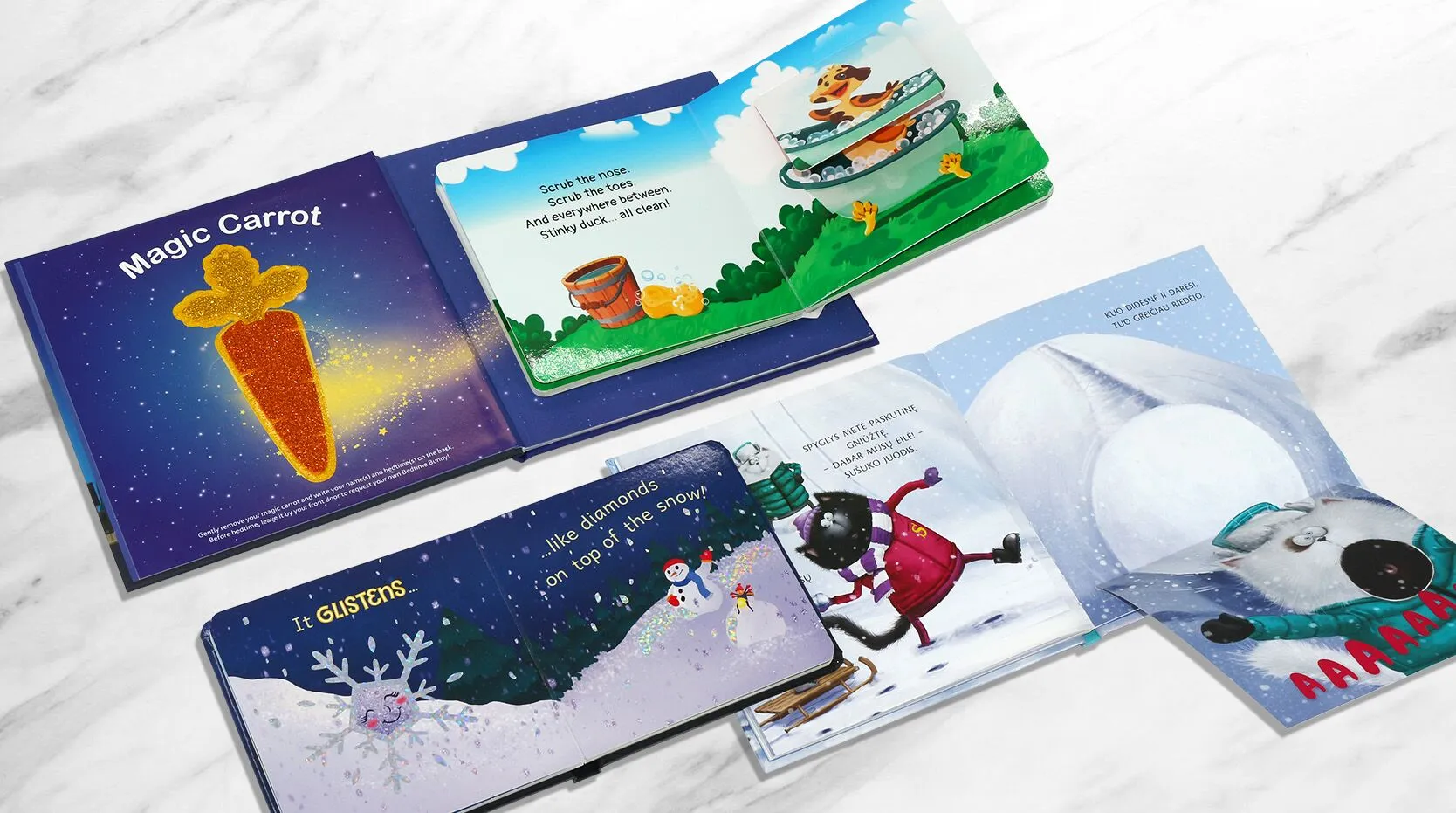
While durability is crucial, functionality should not be overlooked when creating a captivating paperback children’s book. One way to enhance the book’s functionality and interactivity is by incorporating interactive elements such as stickers, flap-flap pages, or custom components.
-
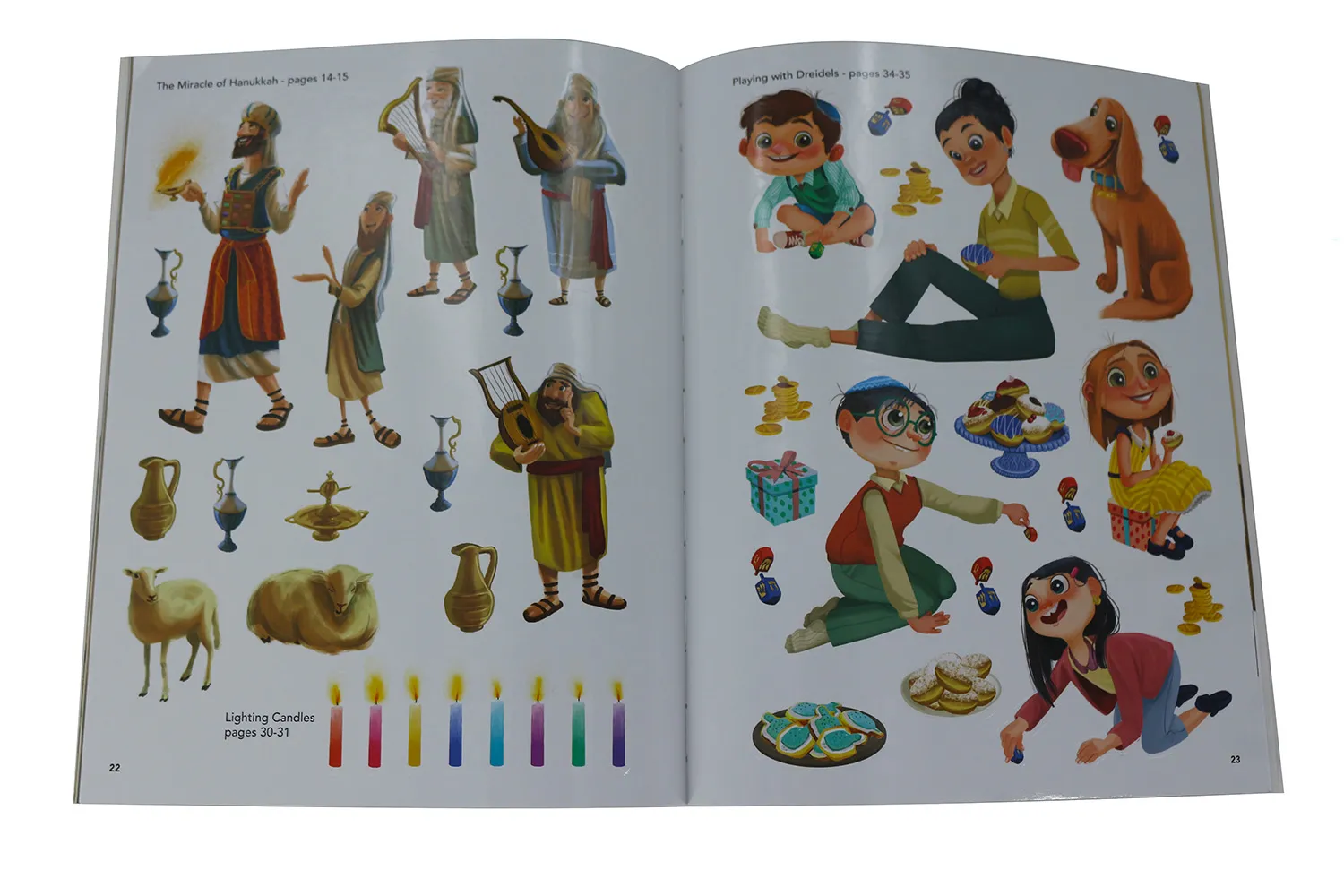
Stickers: Stickers can transform a book into an interactive adventure. They allow children to engage with the story by placing them on designated areas or creating their own scenes. This hands-on experience promotes creativity and encourages active participation.
-
Flap-flap Pages: Flap-flap pages, or lift-the-flap elements, add an element of surprise and discovery to the reading experience. Children can lift the flaps to reveal hidden illustrations or additional information, fostering curiosity and encouraging exploration.
-
Textured Elements: Incorporating various textures, such as embossing or debossing. They can stimulate tactile senses and make the book more engaging for children.
-
Custom Components: From spinning wheels to pull-tabs, the possibilities for custom interactive elements are endless. They allow you to create truly unique and captivating experiences for your young readers.
By incorporating these interactive elements, you create a book that transcends mere storytelling and becomes a multi-sensory experience. Children are encouraged to actively participate, enhancing their engagement and fostering a deeper connection with the book’s content.
Print Paperback Children’s Book at BookPrintingChina
When it comes to printing a durable and functional paperback children’s book, choosing the right printing partner is paramount. At BookPrintingChina, we pride ourselves on offering a comprehensive solution that combines competitive pricing with exceptional quality and a commitment to sustainability.
-
Competitive Pricing: We understand the importance of affordability, especially when it comes to print children’s books. Our competitive pricing structure ensures that you can create a high-quality product without breaking the bank, allowing you to reach a wider audience.
-
Eco-friendly Ink and Materials: At BookPrintingChina, we are dedicated to minimizing our environmental impact. We utilize eco-friendly inks and materials that are not only safe for children but also contribute to a greener printing process.
-
100% Customer Satisfaction Rate: Our unwavering commitment to customer satisfaction is reflected in our 100% satisfaction rate. We work closely with you to ensure that every aspect of your book meets your expectations, from artwork to the final printed product.
-
Advanced Equipment and Technology: Our state-of-the-art equipment and cutting-edge technology enable us to produce paperback children’s books of the highest quality. From precise binding to vibrant color reproduction, we leverage the latest advancements to deliver exceptional results.
-
Strict Quality Inspection System: We understand the importance of quality control, especially when it comes to children’s books. Our strict quality inspection system ensures that every book meets our rigorous standards before leaving our facility.
-
Diverse Customization Options: At BookPrintingChina, we offer a wide range of customization options to help you create a truly unique and captivating paperback children’s book. From specialized binding techniques to custom interactive elements, we work closely with you to bring your vision to life.
By partnering with BookPrintingChina, you can rest assured that your paperback children’s book will not only be durable and functional but also a testament to our commitment to excellence, sustainability, and customer satisfaction.
If you’re ready to embark on the journey of creating a captivating and long-lasting paperback children’s book, look no further than BookPrintingChina. Our team of experts is eager to guide you through every step of the process, ensuring that your book not only meets but exceeds your expectations. Contact us to request a quote or learn more about our comprehensive services. Together, we can bring your vision to life and create a cherished companion for young readers worldwide.