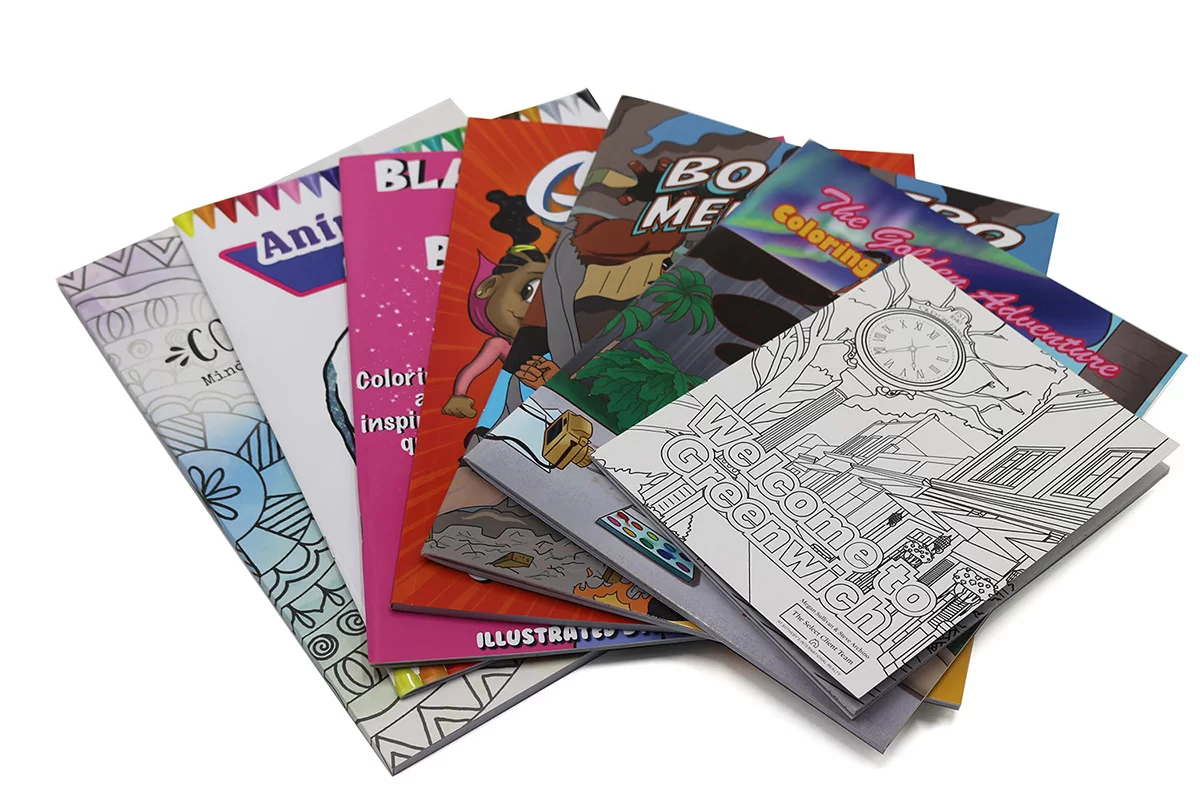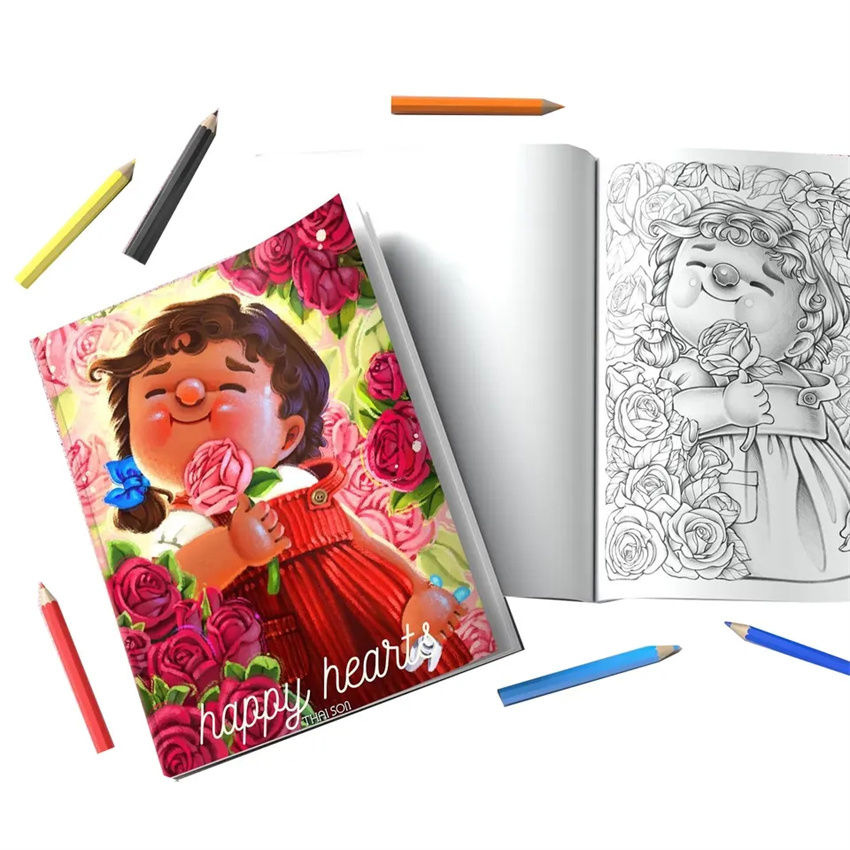



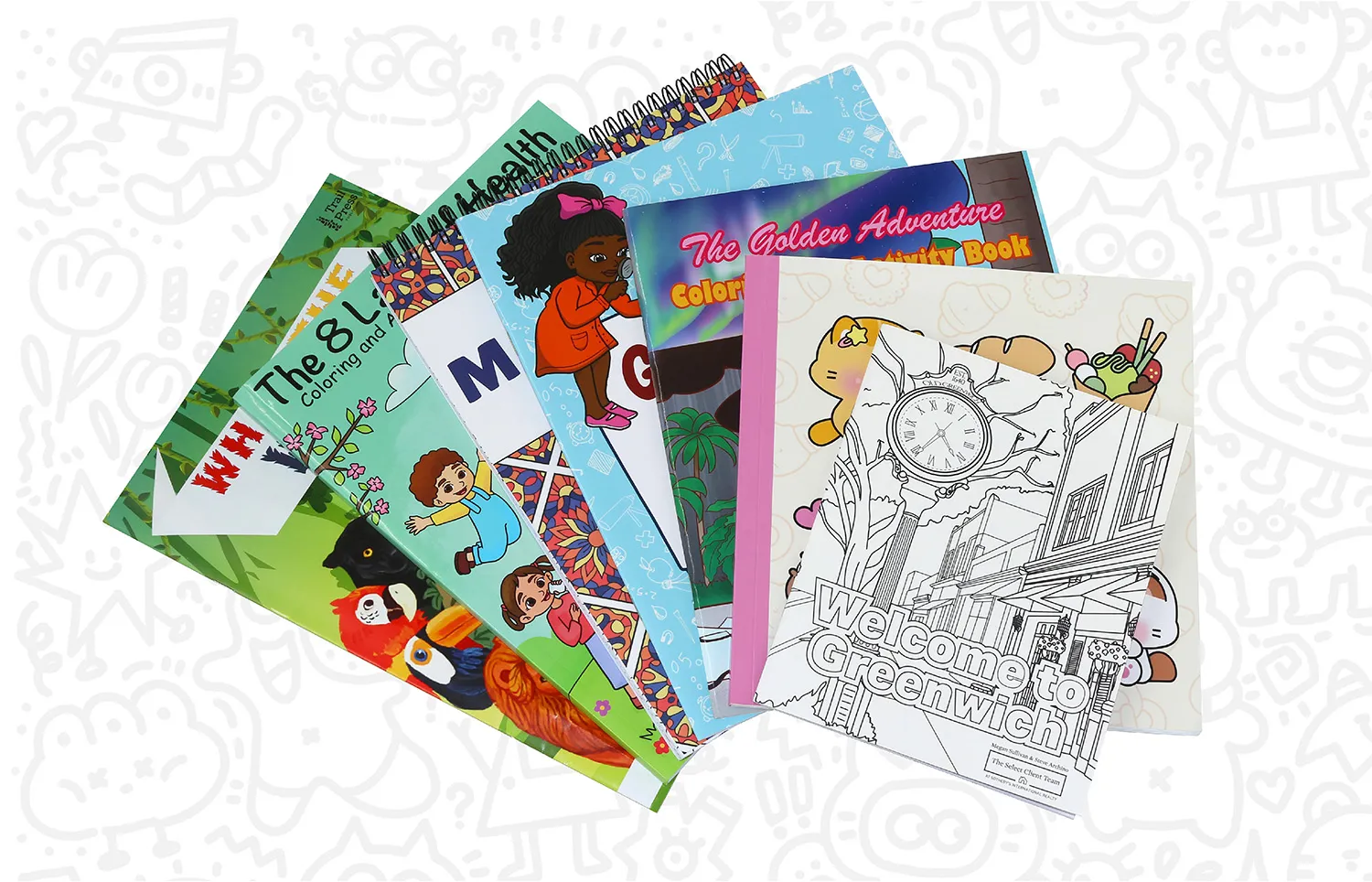
Coloring book offers much more than just entertainment for kids. This simple activity helps develop children’s fine motor skills, sharpens their focus, and gets more and thus encourages more creativity and self-expression.
Custom coloring books for kids provide an excellent opportunity to blend education with entertainment. A coloring book that captures children’s attention needs careful planning. This piece guides you through each step to create your custom coloring book, from the original concept to the final printed page.
Your coloring book experience awaits! Let’s head over to the exciting world of creating educational and high-quality custom coloring books that children will treasure!
Why a Coloring Book is Good for Kids
In a world saturated with screens and fast-paced entertainment, it’s easy to overlook the simple pleasures of a coloring book. Yet, this timeless activity offers a wealth of benefits for children, nurturing their creativity, fine motor skills, and even their mental wellbeing. So, why are coloring books still a fantastic choice for kids? Let’s delve into the vibrant world of coloring and uncover its undeniable advantages.
Fueling Creativity and Imagination:
While the lines of a coloring page provide a framework, the real magic happens within those boundaries. Coloring allows children to express themselves freely, choosing colors that resonate with them and bringing pre-drawn images to life. This process sparks their imagination, encouraging them to think outside the box and develop their own unique artistic flair. They can transform a simple flower into a rainbow spectacle or a majestic lion into a creature with bright blue fur – the possibilities are endless!
Developing Fine Motor Skills and Hand-Eye Coordination:
Holding a crayon or colored pencil and carefully coloring within the lines is a great exercise for developing fine motor skills. These skills are crucial for a variety of tasks, from writing and tying shoelaces to buttoning clothes and using utensils. Coloring strengthens the small muscles in the hands and fingers, improving dexterity and control. Furthermore, the act of coordinating the eye with the hand while staying within the lines enhances hand-eye coordination, a vital skill for sports, music, and everyday activities.
Boosting Focus and Concentration:
In today’s fast-paced world, children often struggle to focus and concentrate. Coloring offers a welcome respite, encouraging them to slow down, pay attention to detail, and immerse themselves in the present moment. The repetitive nature of coloring can be surprisingly calming, helping to reduce anxiety and improve concentration. As children focus on filling in the spaces, they learn to block out distractions and develop sustained attention spans.
A Screen-Free Escape and a Chance for Relaxation:
Let’s face it, screens are everywhere. Coloring books provide a much-needed break from the digital world, offering a screen-free activity that encourages relaxation and mindfulness. Engaging in coloring can be a mindful experience, allowing children to disconnect from their worries and focus on the simple act of creating. This can be particularly beneficial for children who are feeling stressed or overwhelmed.
Building Confidence and a Sense of Accomplishment:
Completing a coloring page, no matter how simple or complex, gives children a sense of accomplishment. They can take pride in their finished artwork and feel a sense of satisfaction knowing they have created something unique. This can be a great confidence booster, encouraging them to take on new challenges and express themselves creatively.
More Than Just Coloring:
Coloring books also offer opportunities for learning. They can be themed around various subjects, such as animals, vehicles, history, or even math concepts. This allows children to learn in a fun and engaging way, reinforcing existing knowledge and introducing them to new concepts.
Boost Social Skills:
Coloring activities boost social skills too. Kids share their finished artwork with friends and learn to talk about their choices. They listen to other people’s views. This builds communication skills and confidence, especially in quieter children.
Custom books can show positive interactions between characters to support social growth. Scenes depict cooperation, empathy, and other social skills kids need to learn.
Custom coloring book printing matches content with each age group – from simple shapes for toddlers to complex illustrations for older kids. This targeted approach maximizes benefits while keeping children challenged and interested.
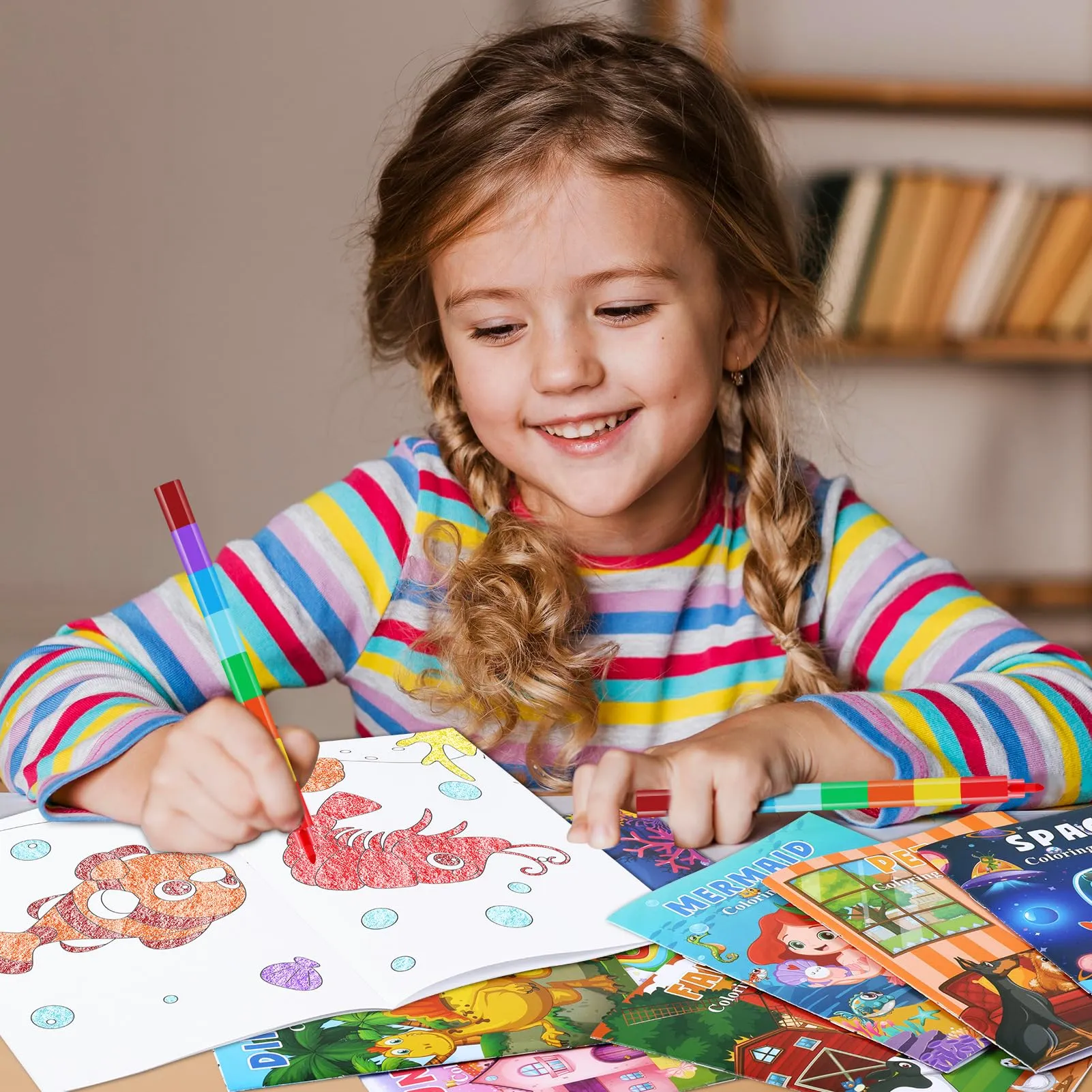
What Makes a Great Kids Coloring Book
Making an exceptional custom coloring book for kids needs more than just pretty pictures. Quality, engagement and age-appropriate content are what make these books special.
A great children’s coloring book’s life-blood is age appropriateness. The best books are tailored to each child’s development stage. Toddlers (ages 1-3) need simple shapes. Preschoolers (ages 3-5) connect with recognizable objects. School-age children (ages 6+) can handle more detailed illustrations. This approach keeps children involved without frustration from content that’s too easy or hard.
Quality materials make all the difference. The paper should handle markers or crayons without bleeding through. A weight between 120-160gsm (90-110 lbs works best for durability and smooth drawing.
A strong central theme makes coloring books appeal to children more than random images. Animals are a hit, with dogs being the most popular choice. Baby and toddler-focused animal content shows high market demand.
Learning elements turn a regular coloring book into something more valuable. The best custom books include:
-
Science, world cultures, and historical themes
-
Alphabet and number recognition activities
-
Basic shapes and familiar objects
-
Fun facts and interactive exercises
Kids stay interested when books mix simple and detailed pages. This variety helps different skill levels and moods. It prevents boredom and builds new skills naturally.
Extra features can turn a basic book into something special. Hidden objects, puzzles, mazes, stickers, or tear-out pages add more fun beyond coloring. Pages need good visual balance too. Well-laid-out designs guide young artists through their coloring adventure.
Toddler’s coloring books should have cute, fun designs that grab attention. These books often become gifts, so an eye-catching cover helps them sell better.
Parents love books their kids can take anywhere. Custom coloring books work great during travel or in waiting rooms as screen-free entertainment. Removable pages paired with crayons make perfect travel companions.
The best coloring books give kids room to express themselves with just enough guidance. This sweet spot builds confidence through achievable results. Note that successful custom coloring books mix learning with pure fun. They create perfect moments for both education and simple coloring joy.
Understanding Kids Coloring Book Basics
Success in creating custom coloring books for kids comes from a deep understanding of how children develop and matching design elements to their needs. Two key factors make coloring pages strike a chord with young artists: designs that match their age and themes they love.
Age-appropriate design considerations
Kids’ coloring book pages must match their specific developmental stages. Each age group needs design elements that line up with their motor skills, thinking abilities, and how long they can focus.
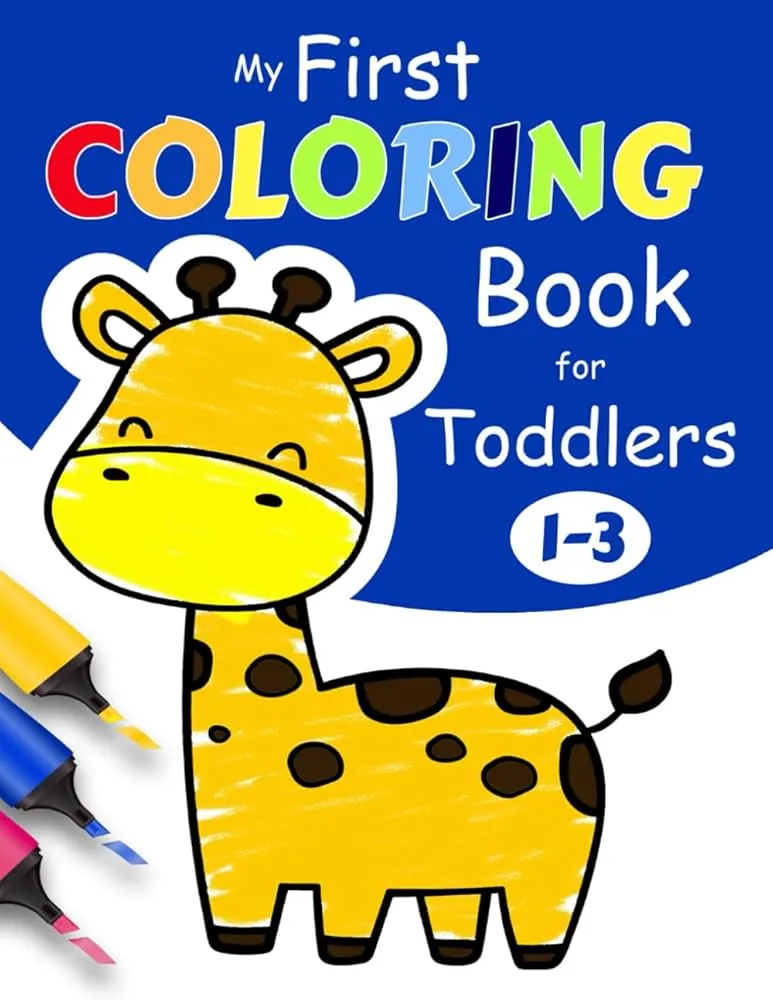
Toddlers (Ages 1-3) do best with coloring books that have simple shapes and straightforward designs. These little ones are just starting to develop their motor coordination and learn about colors. The best coloring books for them should have:
-
Large, bold designs with thick lines to help small hands color inside the lines
-
Big, uncomplicated illustrations they can color with ease
-
Clean pages without too many elements
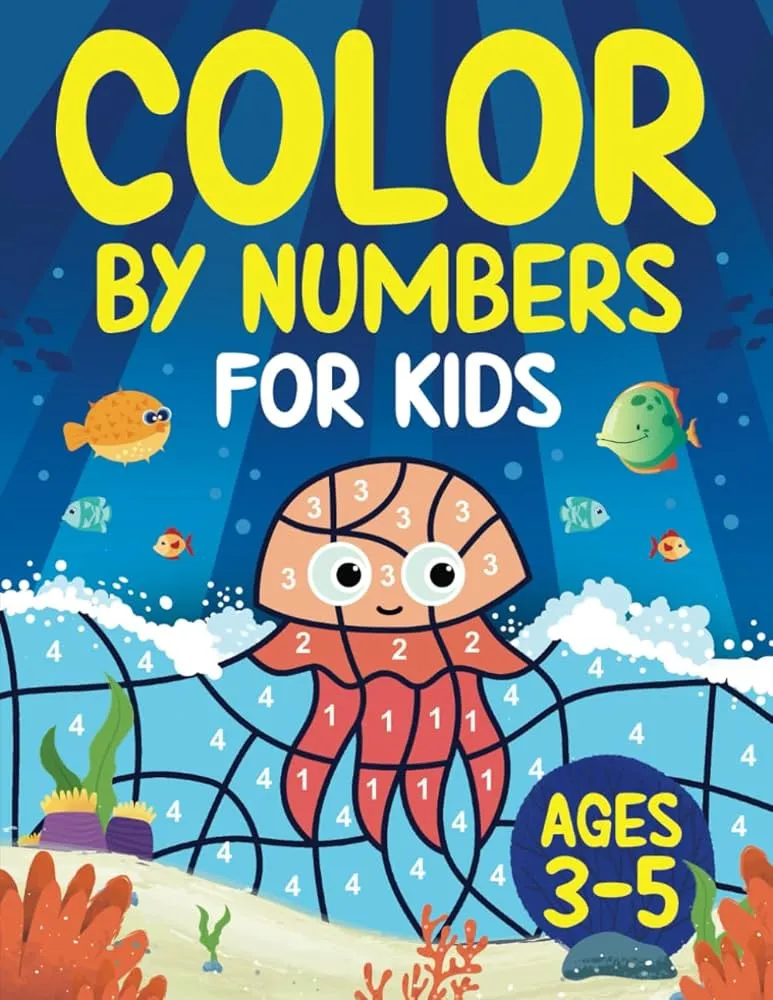
Preschoolers (Ages 3-5) can handle objects they recognize and slightly more complex designs. This vital developmental period sees big improvements in motor skills. Their coloring books need:
-
Objects and settings they know well, like toys, simple animals, and everyday things
-
Pictures that connect to what they’re learning about the world
-
Fun themes that keep them interested as they build new skills
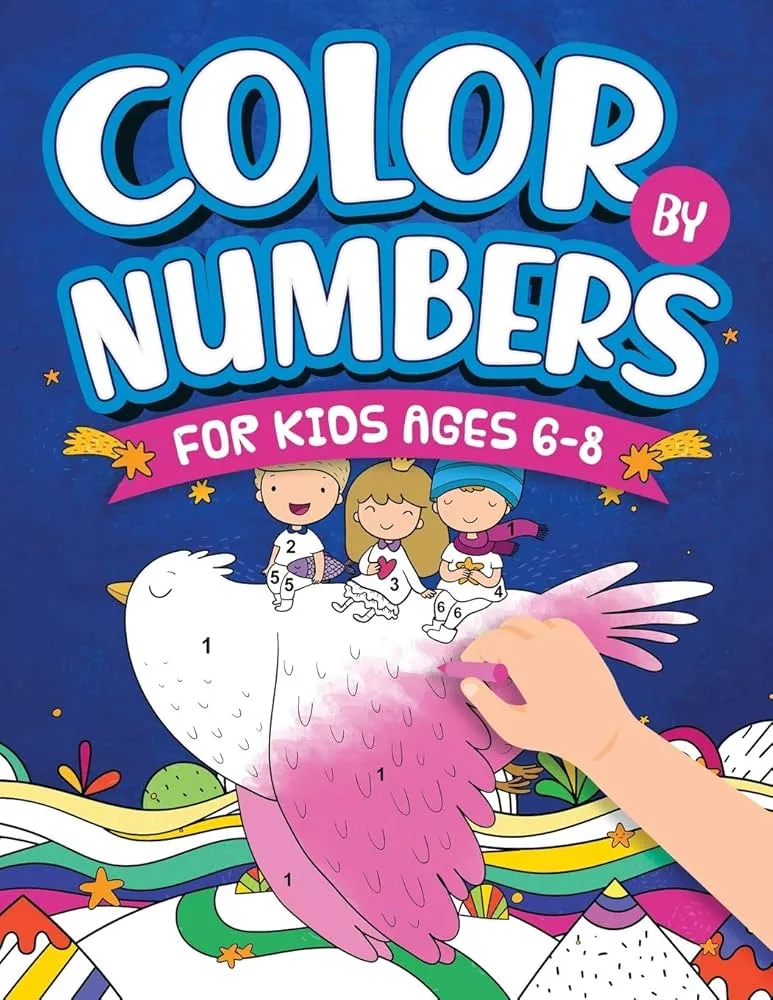
School-age children (Ages 6+) are ready for detailed illustrations that test their growing abilities. These kids can focus longer and enjoy more complex designs. Their coloring books should include:
-
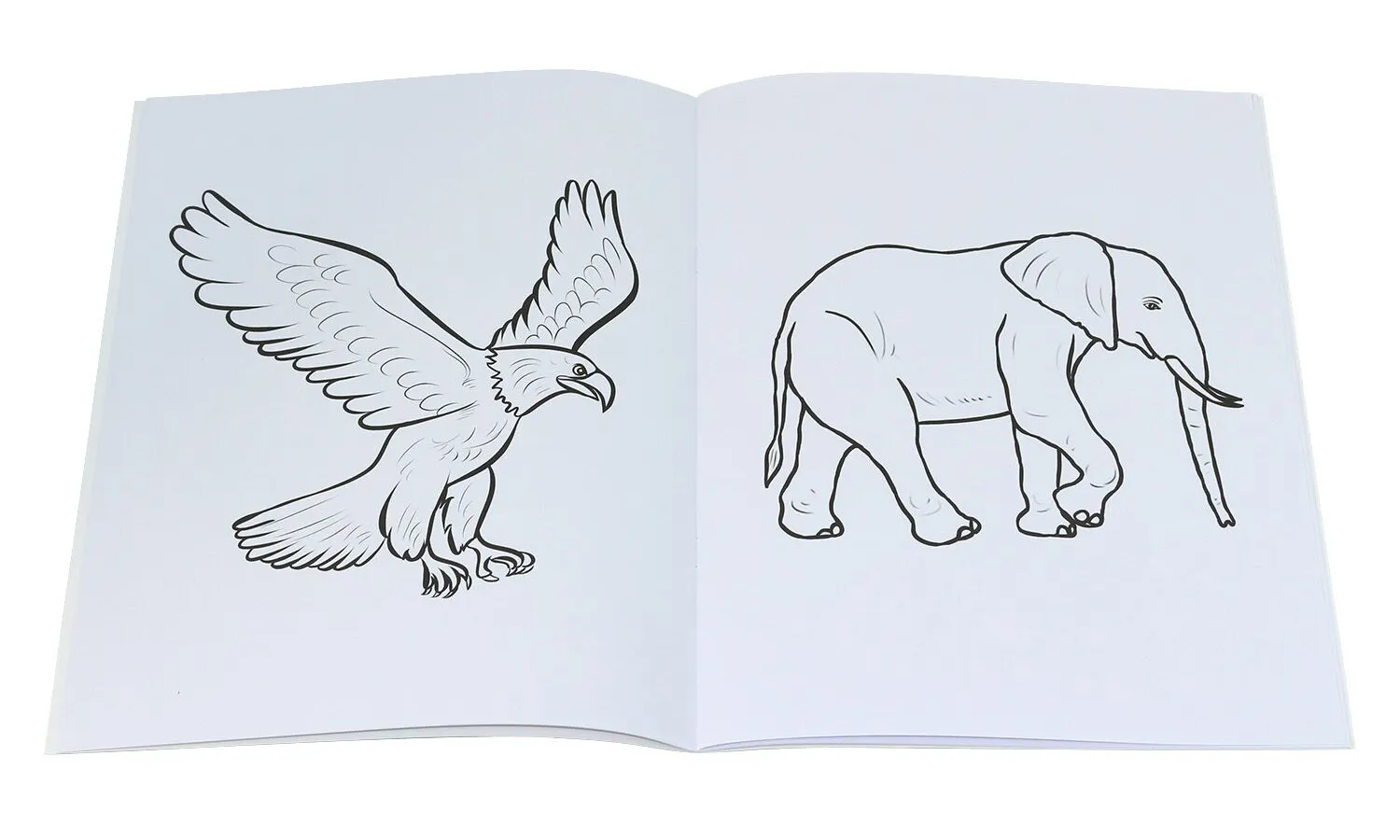
Detailed drawings that need more concentration
-
Creative themes that get them thinking on their own
-
Learning elements mixed with artistic expression
The perfect age-matched design offers just the right challenge. It’s not too easy or too hard, which helps children stay interested and build confidence through success. This balanced approach helps them develop skills without getting frustrated.
Popular Themes that Young Artists Love
Some themes capture kids’ imagination no matter their age. Knowing what children like helps create personalized coloring books for toddlers and older kids that they’ll want to use.
-
Animals top the list of favorites for all age groups. From jungle beasts to barnyard friends, these familiar subjects let kids express their creativity. Many coloring books group animals by their homes, like forests, jungles, or farms.
-
Fantasy themes take children to magical realms full of dragons, unicorns, and mythical beings. These enchanting subjects get their imagination going and let them escape to wonderful new worlds.
-
Cartoon and movie characters never go out of style, especially ones from their favorite shows and films. Kids love adding color to characters they know and love.
-
Vehicles and transportation themes—with cars, trucks, planes, and trains—really appeal to kids who love figuring out how things work.
-
Educational themes are becoming more popular than ever. Modern coloring books teach kids about science, world cultures, and history. Teachers and parents use coloring as a fun way to introduce new topics to young learners.
-
Seasonal and holiday themes add fun to celebrations and give kids themed activities throughout the year.
The perfect mix of theme and design complexity creates an excellent foundation for custom kids coloring book printing projects. These books keep young artists engaged while supporting their growth and development.
Planning Your Coloring Book
A solid plan sets the foundation for your custom coloring book project before you start designing. Your vision needs a clear roadmap to make sure your coloring book appeals to its target audience and meets your creative goals.
Setting Clear Goals for Your Project
Every great custom coloring book starts with clear objectives. You need to think about what you want your coloring book to achieve:
-
Identify your target audience by age group and interests
-
Decide if your book will be educational, entertaining, or both
-
Think about selling the book commercially or creating it for personal use
-
Pick the number of designs you’ll include (usually 15-50 illustrations)
These basic guidelines will help focus your work throughout the creation process. Your goals will shape every decision you make, whether you’re designing for toddlers who are just starting to explore their creativity or school-age kids learning new concepts.
Opt for a Trim Size and Format
The size of your coloring book will affect the user experience and how much it costs to produce. Here are some popular format options:
Portrait format gives you that classic book feel:
-
5.5 x 8.5″ (compact and portable)
-
6″ x 9″ (balanced proportions)
-
8″ x 10″ (ample coloring space)
-
A4 (international standard)
-
8.5″ x 11″ (most popular size in US)
Square format brings a unique look:
-
8″ x 8″ (balanced proportions)
-
8.5″ x 8.5″ (slightly larger square)
-
10″ x 10″ (generous coloring area)
Landscape format fits panoramic scenes perfectly:
-
9″ x 6″ (wider than tall)
-
A4 landscape (international standard)
-
11″ x 8.5″ (popular US option)
The 8.5″ x 11″ portrait size is the most practical and budget-friendly option for custom kids’ coloring book printing. Young children need larger pages that work with their developing motor skills. Your budget needs to balance with your creative vision since page size affects printing costs.
Creating a Storyboard or Content Outline
A storyboard works like a map for your custom coloring book and helps you see how pages will flow before you create the final artwork. This vital planning step keeps your project cohesive.
Break down your coloring book into individual pages or scenes first. Themed books need logical arrangement—maybe starting with simple designs that build up to more complex illustrations. Educational coloring books should show how concepts build on each other page by page.
Here’s how to create a storyboard:
-
Draw rectangles for each page spread on paper
-
Sketch rough thumbnails of your illustration ideas
-
Write down text or educational elements you’ll include
-
Order pages to create a natural flow through the book
This visual plan helps you spot problems early. You might see that some illustrations don’t match your theme or that pages don’t transition well. A complete storyboard also helps explain your ideas to freelance artists or printing services.
Good planning turns your coloring book from random images into something meaningful that kids will love from start to finish. Time spent setting goals, picking the right size, and storyboarding your content leads to personalized coloring books that exceed what you imagined for toddlers and children.
Create Your Coloring Book Pages and Cover
Your coloring book project needs the right execution to match your vision. Creativity and technical skills help create engaging pages and an eye-catching cover, whatever your artistic background.
Simple Drawing Techniques for Beginners
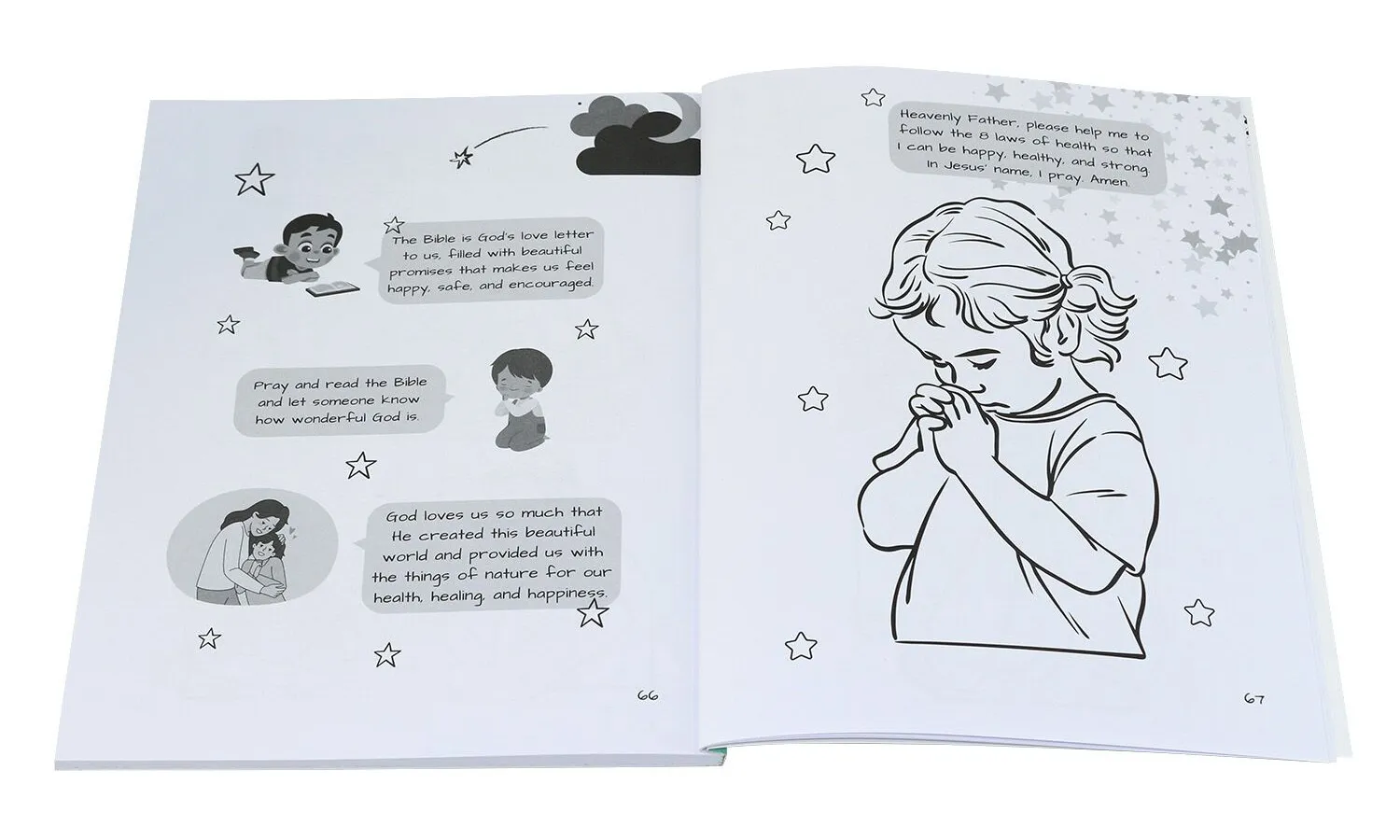
You can create appealing coloring pages without formal art training. Simple shapes—circles, squares, and triangles—are the foundations of more complex illustrations. Animal designs start with basic ovals and circles before adding details. Stick figures can grow into detailed characters when you add clothing, facial features, and props. Note that coloring book illustrations need clear, bold outlines that people can follow easily with adequate spacing between elements.
Digital Tools for Coloring Book Design
Today’s technology gives you many options to create custom coloring books for kids. Microsoft Designer’s AI-assisted tools let you generate winter wonderland themes or other concepts by describing what you want. Your project can be resized for printing with additional pages as needed. Canva’s specialized apps like ColoringBook turn text descriptions into coloring book styles. These tools give you limited free credits daily or monthly to create unique illustrations without drawing skills.
Converting Photos into Coloring Pages
Personalized coloring books for toddlers become special with personal photos. Online tools can turn your favorite pictures into line drawings ready for coloring. Crayola Color Camera app transforms vacation memories or pet photos into custom coloring pages. Services like ColoringBook.ai extract contours and depth from uploaded images to generate high-fidelity coloring pages while keeping the original photo’s key details. This method works best with images of animals, people, objects, and landscapes.
Adding Text and Educational Elements
Educational content raises a simple custom kids coloring book into a learning tool. You can add facts about illustrated subjects, vocabulary words, or questions that spark discussion. Digital coloring books teach concepts in a variety of subjects—from healthy eating habits through food-themed pages to geometry through shape manipulation. Younger children benefit from alphabet recognition, counting activities, or color identification prompts next to illustrations.
Design a Stunning Cover for Your Coloring Book
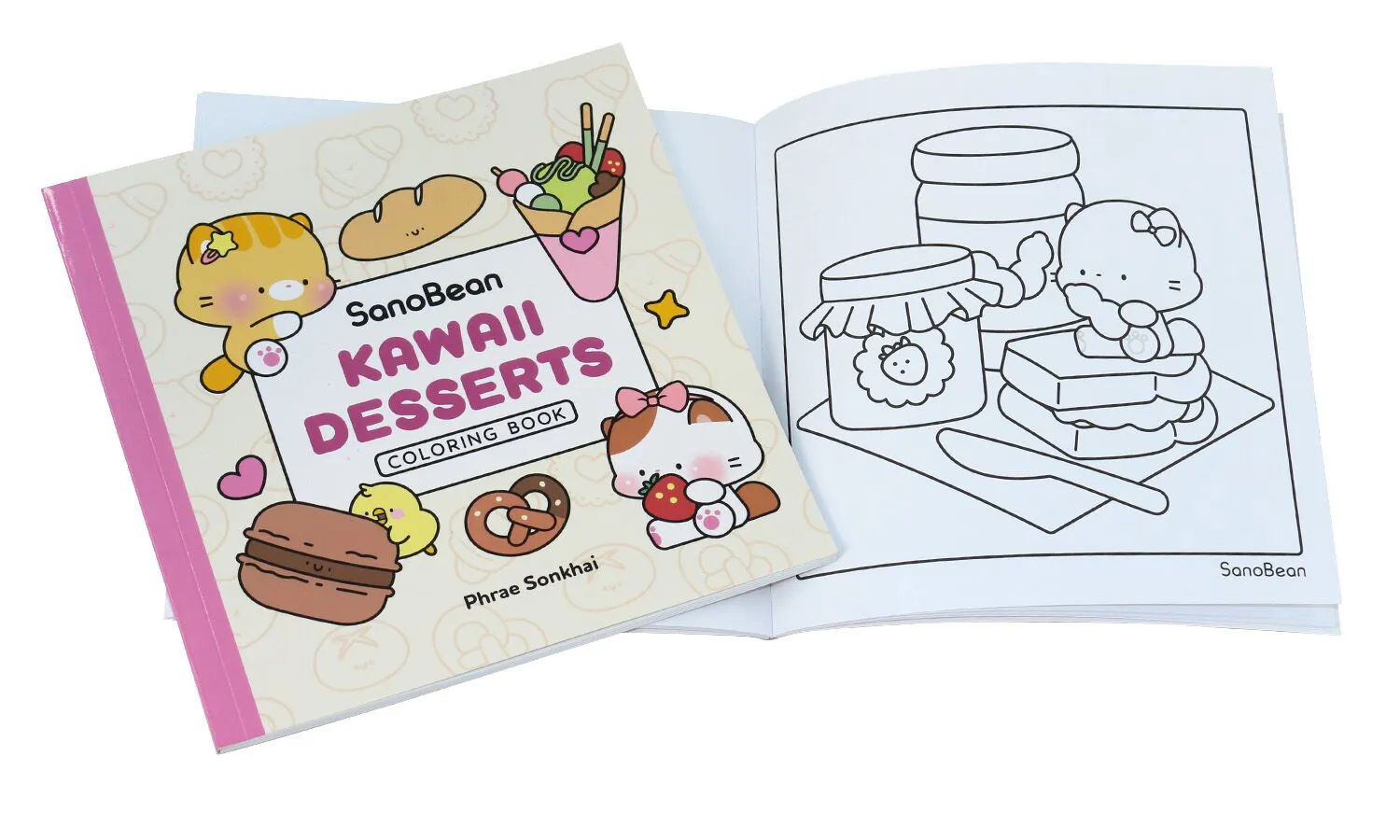
A book’s cover determines whether someone picks it up, which makes it vital for kids coloring book printing projects. Research shows successful covers display titles in large font sizes and smaller subtitles. The background’s colors should match your target audience—bright for children’s books, subdued for adult versions. Sample colored illustrations from inside pages showcase the book’s content. Your audience matters—adult coloring books often show more serious designs like animals, while children’s covers reflect age-appropriate content inside.
Preparing Your Artwork for Printing
Getting your coloring book artwork ready for printing needs proper technical preparation to achieve professional results. Your digital designs must meet several critical printing specifications before they become physical pages.
Set up Bleed and Safe Margin
Custom coloring books for kids need the bleed areas to look professional. The artwork should extend 3mm (0.125″) beyond the final trim size. This prevents white borders from showing up after cutting. You’ll also need a 5mm “safe margin” from the trim line to keep important content safe.
Use High-resolution Image
Kids coloring book printing requires sharp, clean lines that stand out. Your artwork should be at least 300 DPI (dots per inch), though 600-800 DPI works best for line art and crisp edges. The lines must be at least 1pt thick or they might not show up in print. It’s best to test print any intricate designs in your custom kid’s coloring book before finalizing.
CMYK PDF File Format
Color settings can substantially change print quality. Files need to be in CMYK color mode instead of RGB before submission. Black and white coloring books should use K100 (100% black ink only) for text and outlines. “Blackest black” (C75, M68, Y67, K90) works better for larger black areas in color printing, but K100 remains ideal for fine lines and text to avoid registration issues. The final file should be a high-resolution PDF, preferably using PDF/X-1a or PDF/X-3 standards.
Organizing Pages in the Correct Order
Your personalized coloring books for toddlers need pages in the right sequence to print correctly. The pages should follow reader’s order with blank pages where needed. Most printers want single PDF files with sequential pages, including covers in their proper spots. A final check of page numbers is essential before submission.
Vector Graphics and Convert all Text to Outlines
Custom coloring book printing works best with vector graphics that stay sharp regardless of size. These files (.SVG, .EPS, or .PDF) use mathematical equations instead of pixels. The text should be converted to outlines (or “curves”) before submission. This change turns text into shapes and keeps your typography exactly as designed, even if the printer doesn’t have your fonts.
Printing your Coloring Book
The printing process is a vital final step that turns your digital coloring book design into a real product. Your artwork might be ready, but you still need to make some key production choices that will affect your creation’s quality and how long it lasts.
Select Right Paper Weight and Finish
The paper you choose makes a big difference in how your custom coloring books work with various coloring tools. Paper thickness comes in GSM (grams per square meter) – higher numbers mean thicker paper. Here are the best options for coloring books:
For covers:
-
Softcover: For paperback coloring books, we recommend using 250-300gsm premium coated paper. This weight range ensures the book is durable but not too heavy. The paper weight usually depends on your trim size, page count and budget. For example, small size and fewer page count, opt for 250gsm coated paper will be a cost-effective choice.
-
Hardcover: For hardcover color books, we typically use 157gsm coated paper wrapped on 3mm grey board to maintain the durability of the book.
After printing, the cover typically with glossy, matte or soft touch lamination to enhance the printing quality and durability of the coloring book.
For interior pages: 120-160gsm premium uncoated paper works best for kids coloring book printing. Uncoated paper lets crayons and colored pencils move smoothly and shows their true colors.
Choose a Binding
Your binding choice affects how easy the book is to use and how long it lasts:
-
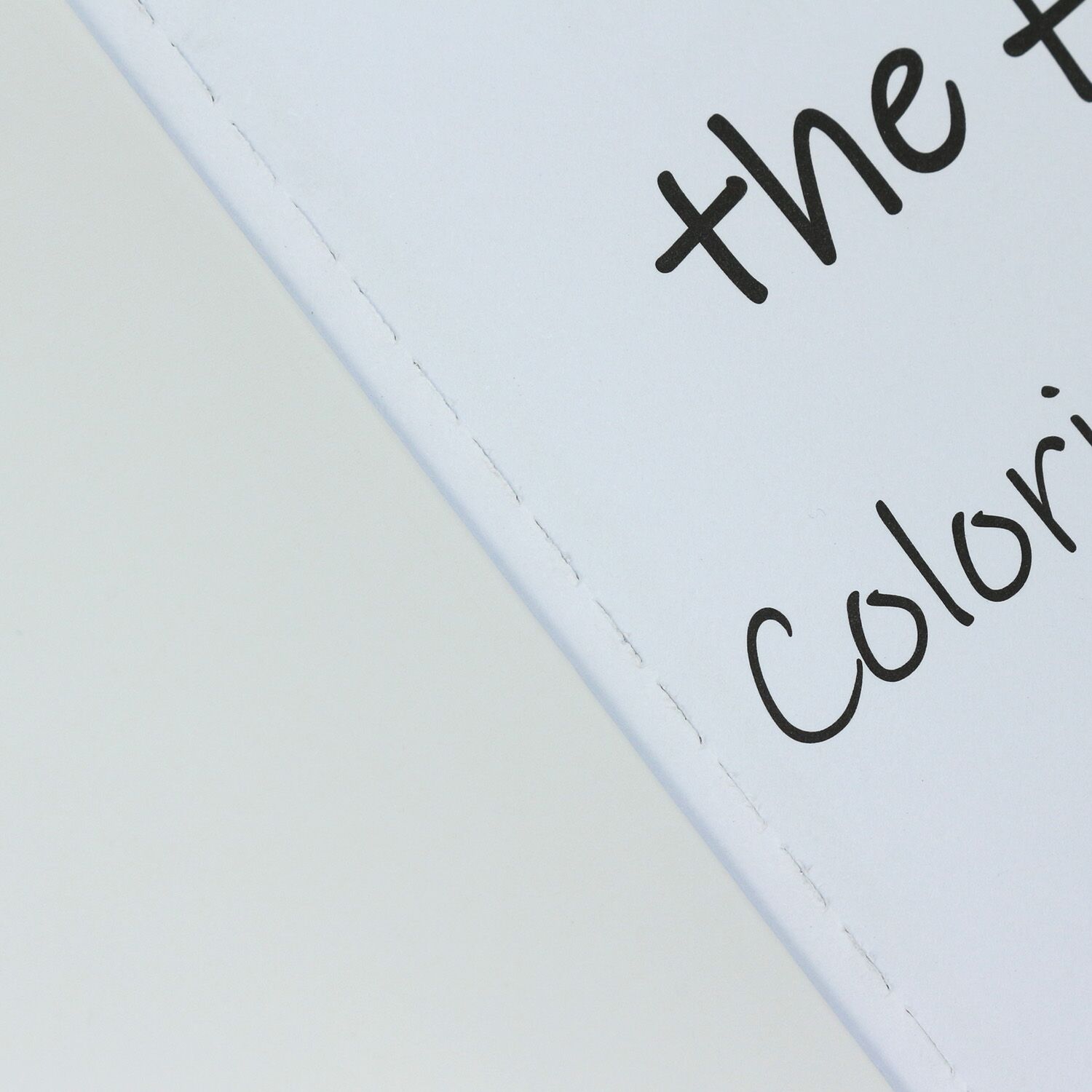
Saddle stitch: Staples hold the folded spine together. This works great for books under 60 pages, allow them lay flat, fast turnaround time and cheaper price.
-
Perfect binding: Pages are glued to a flexible spine. This looks professional and works well for thicker coloring books.
-
Spiral binding: Plastic coil runs through punched holes. Kids love this because pages can lay flat and turn all the way around.
-
Wire-o binding: Metal loops look neater than spiral binding and pages lay completely flat.
-
Hardcover binding: Lasts the longest and works best for books that get used often.
Options to Make Your Coloring Book Stand Out
You can add special features to raise your custom coloring book printing project above the rest:
-
Perforated pages make it easy to remove artwork without damaging the book. Kids love displaying their finished work.
-
Foil stamping adds metallic accents to the cover that catch everyone’s eye. This looks amazing on titles and decorative elements.
-
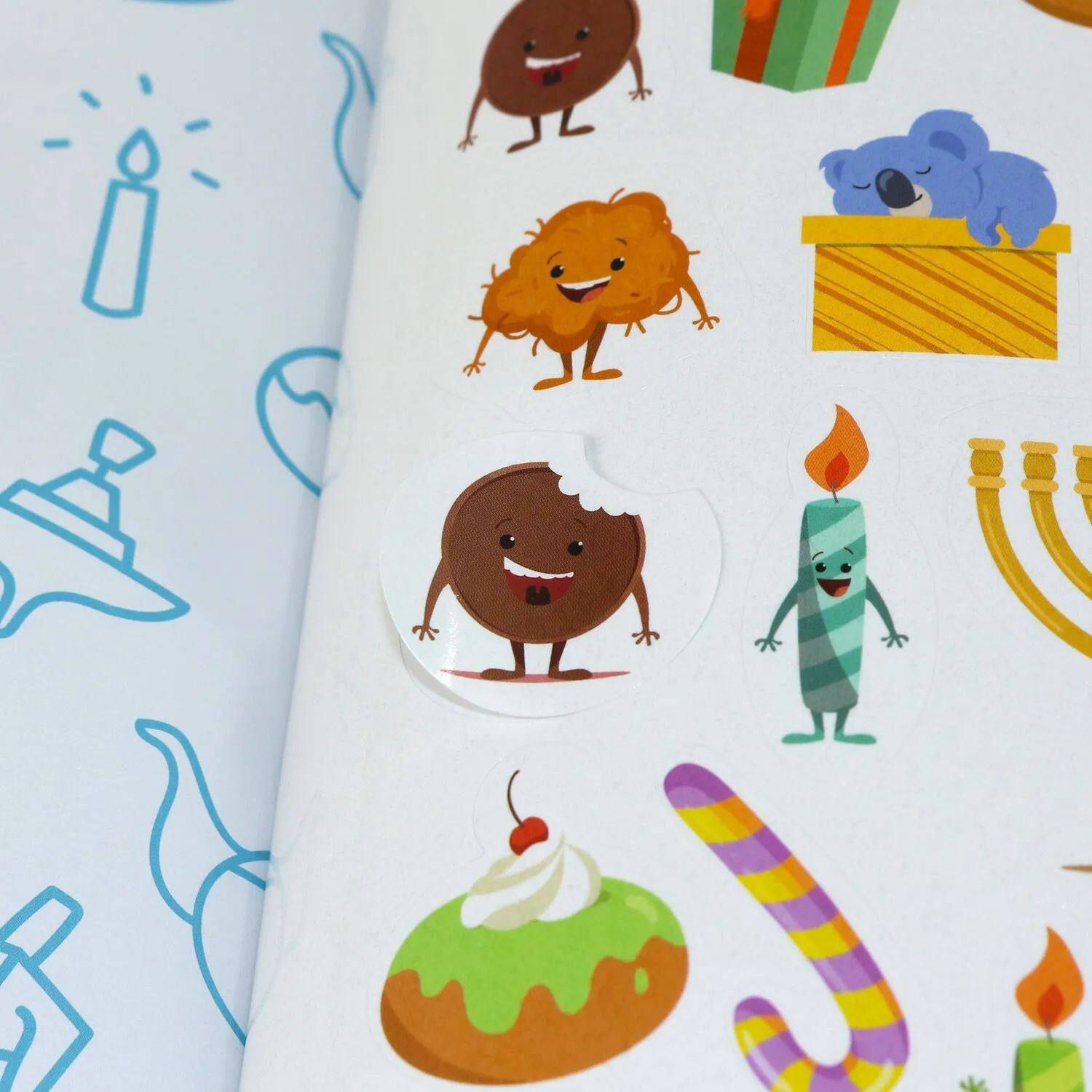
Spot UV coating makes certain areas glossy while others stay matte. This draws attention to key design elements. Your book becomes more fun when you add sticker pages – a feature kids really enjoy.
- Sticker make the coloring book more fun.
 |
 |
| Perforated | Sticker |
Quality materials might cost more at first, but they last longer and give you better value in the long run.
Conclusion
Custom coloring book creation demands attention to every detail, from the original concept to the final print. Your young audience’s needs should guide the content creation process to support their development and keep them interested.
A great coloring book combines learning with fun effectively. Your coloring book project can help young minds grow through the simple yet powerful activity of coloring. The right materials and technical preparation will make a big difference in your final product. The right paper weight, binding method, and finish will give your coloring book the durability to handle enthusiastic young artists and provide the best coloring experience.
Designing a coloring book brings rewards to creators and users alike. Children develop better motor skills, focus, and creative expression. Parents and educators receive valuable tools they can use for learning and development.
Bookprintingchina offers quality coloring book printing at affordable prices. You can contact us today for a free quote today.