



In this post, we’ll look at how to create a custom school yearbook that’s not only eye-catching, but one that will stand the test of time.
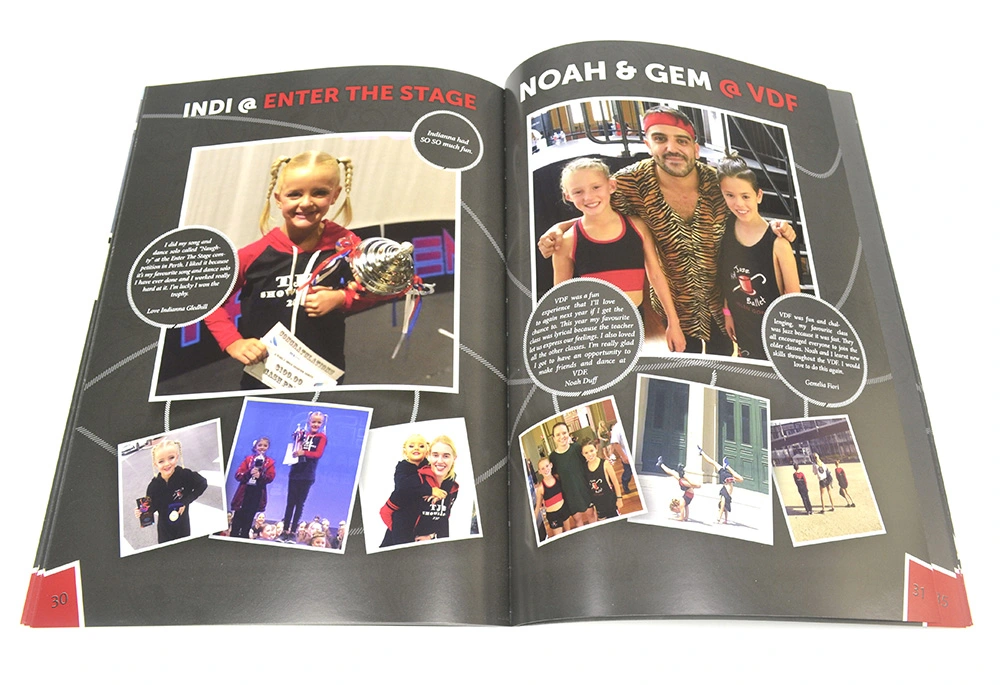
Does School Yearbook Still Popular?
In the digital world, school yearbooks still remain a cherished and popular tradition across educational institutions worldwide. These timeless keepsakes capture the essence of a school year, preserving precious memories and milestones for generations to come.
Despite the advent of digital technologies and social media platforms, the allure of a tangible, beautifully crafted yearbook endures. There is something deeply nostalgic and sentimental about flipping through the pages, reminiscing about the laughter, friendships, and unforgettable moments that shaped our formative years.
School yearbooks serve as a visual chronicle of a year’s journey, preserving the faces, events, and accomplishments that defined that particular chapter in our lives. From candid snapshots of classroom antics to formal portraits of graduating seniors, each page tells a story, weaving together the tapestry of our collective experiences.
Moreover, yearbooks foster a sense of community and belonging within the school environment. They unite students, faculty, and staff, creating a shared narrative that transcends individual experiences. As we flip through the pages, we are reminded of the bonds forged, the challenges overcome, and the triumphs celebrated together.
In an age where digital content is fleeting and easily forgotten. A physical yearbook stands as a tangible reminder of our roots, our growth, and the indelible mark we left on our school’s history. It is a treasured keepsake that gains value and significance with each passing year, serving as a time capsule of our youth and the memories that shaped us.
School Yearbook Themes & Ideas
Crafting a compelling and visually stunning school yearbook requires a thoughtful and creative approach to selecting a theme. The chosen theme sets the tone and serves as the guiding thread that weaves together the various elements of the yearbook, from the cover design to the layout and content.
When brainstorming yearbook themes, you need to consider the unique character and spirit of your school community. A well-chosen theme should resonate with students, faculty, and staff, capturing the essence of the year’s experiences and accomplishments.
Here are some captivating school yearbook theme ideas to inspire your creativity:
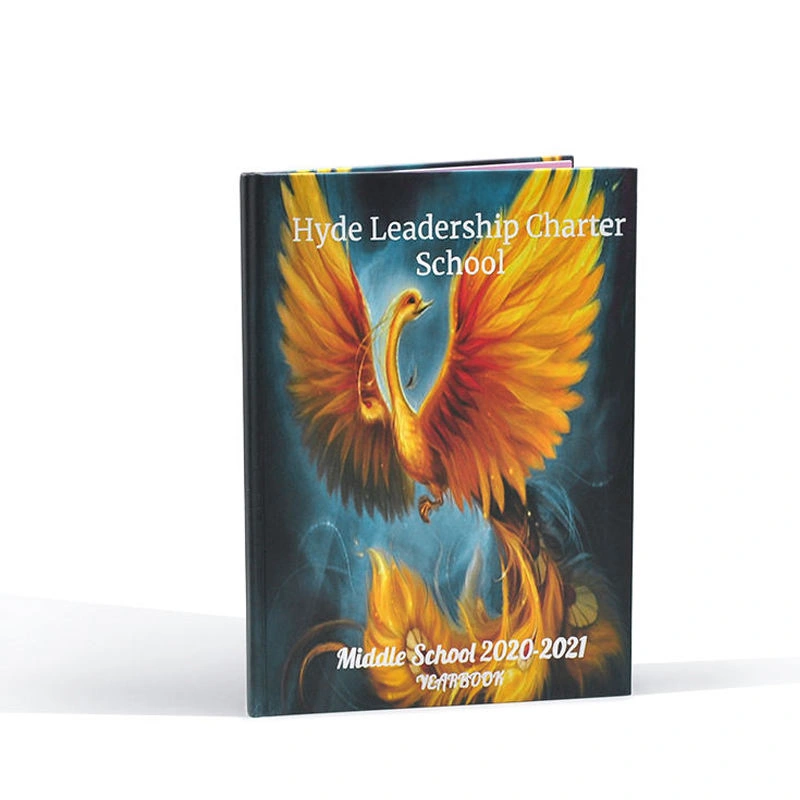 1. Journey Through Time: Embrace a nostalgic or futuristic theme that celebrates the passage of time and the growth experienced throughout the school year.
2. Mosaic of Memories: Capture the diverse tapestry of experiences, cultures, and personalities that make up your school community.
3. Bloom and Grow: Celebrate the personal and academic growth of students, likening their journey to the blossoming of a flower or the unfolding of a new chapter.
4. Kaleidoscope of Colors: Embrace a vibrant and dynamic theme that celebrates the rich diversity and vibrant energy of your school.
5. Uncharted Adventures: Inspire a sense of exploration and discovery, inviting readers to embark on a journey through the year’s highlights and achievements.
6. Timeless Traditions: Pay homage to the enduring legacy and traditions that have shaped your school’s history, while embracing the new chapters being written.
7. Mosaic of Dreams: Encourage students to dream big and celebrate their aspirations, capturing the boundless potential that lies ahead.
8. Tapestry of Talent: Showcase the remarkable talents and accomplishments of your students across various disciplines, from academics to arts and athletics.
Remember, the theme you choose should not only reflect the spirit of your school but also provide a cohesive and visually appealing narrative throughout the yearbook. Engaging students, faculty, and staff in the theme selection process can foster a sense of ownership and ensure your custom yearbook truly resonates with your school community.
The Purpose of Custom a School Yearbook
Creating a custom school yearbook serves a multitude of purposes that extend far beyond mere documentation. These unique publications are not only treasured keepsakes but also powerful tools for fostering school spirit, preserving memories, and celebrating achievements.
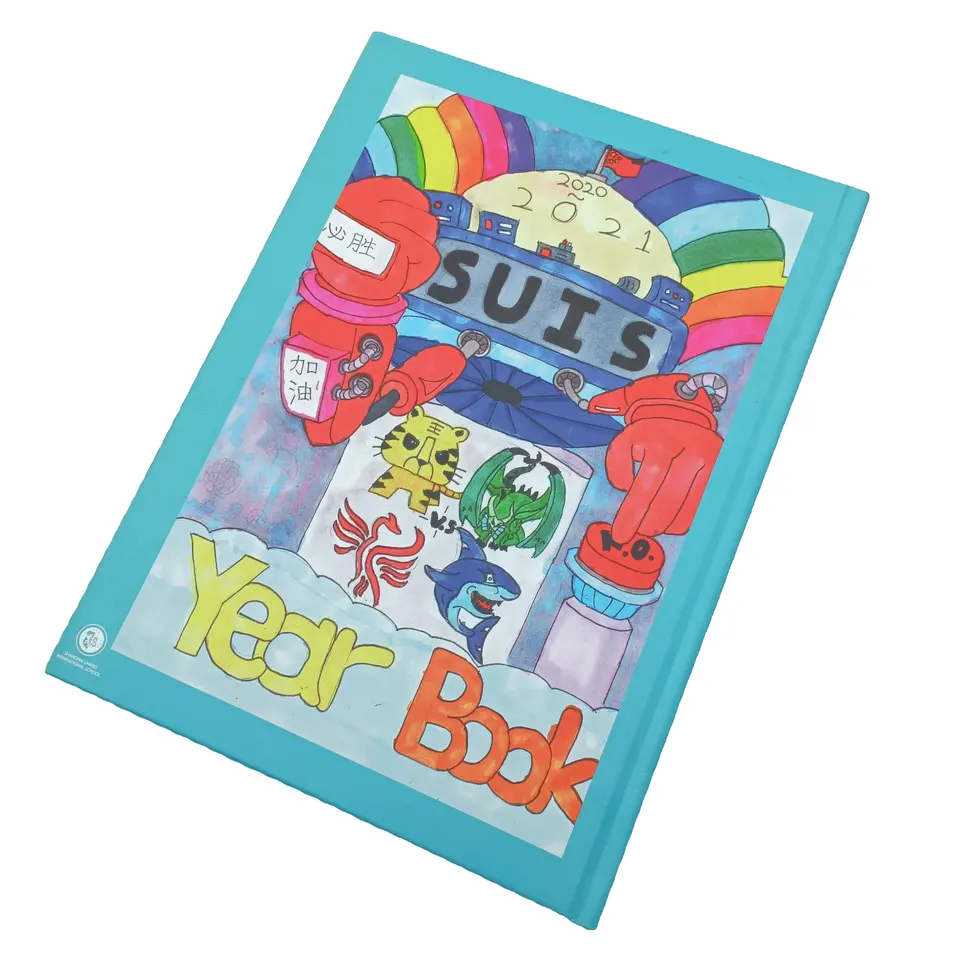 Capture the essence of a particular school year. It serves as a visual time capsule, chronicling the events, activities, and milestones that defined that specific chapter in the lives of students, faculty, and staff. From academic accomplishments to sporting triumphs, from cultural celebrations to candid moments of camaraderie. Print a custom yearbook encapsulates the rich tapestry of experiences that make each school year unique.
Fostering a sense of community and belonging within the school environment. They unite students, faculty, and staff, creating a shared narrative that transcends individual experiences. As individuals flip through the pages, they are reminded of the bonds forged, the challenges overcome, and the triumphs celebrated together. This shared experience strengthens the school’s identity and cultivates a lasting connection among its members.
Preserving memories and celebrating achievements. For students, a yearbook becomes a cherished keepsake, capturing the fleeting moments of their youth and the friendships that shaped their formative years. It serves as a tangible reminder of their growth, their accomplishments, and the indelible mark they left on their school’s history.
Additionally, custom yearbooks provide a platform for showcasing the talents and creativity of students, faculty, and staff. From artistic contributions to literary works, from photography to graphic design, a yearbook offers a canvas for self-expression and recognition. This not only fosters a sense of pride but also encourages individuals to explore their passions and develop their skills.
In an age where digital content is fleeting and easily forgotten. A custom school yearbook stands as a tangible and enduring testament to the collective experiences and achievements of a school community. It is a treasured keepsake that gains value and significance with each passing year, serving as a time capsule of our youth and the memories that shaped us.
Key Steps to Create Your Custom School Yearbooks
Creating a custom school yearbook is a labor of love that requires careful planning, creativity, and attention to detail. From selecting the perfect trim size to choosing the right paper and binding, every decision contributes to the overall quality and impact of the final product.
Follow these steps to create a yearbook that truly captures the essence of your school year:
1. Choose a trim size
The trim size refers to the dimensions of your yearbook, and it’s one of the first decisions you’ll need to make. Consider the number of pages you anticipate, as well as the desired portability and overall aesthetic. Popular trim sizes for school yearbooks include:
8.5″ x 11″ (Standard Letter Size)
8″ x 10″ (Compact and Portable)
9″ x 12″ (Larger Format for More Content)
2. Design your cover
The cover is the first impression of your yearbook, and it should be visually striking and reflective of your chosen theme. Collaborate with talented designers or utilize user-friendly design software to create a captivating cover that sets the tone for the entire publication.
3. Layout your interior pages
The interior layout is where your yearbook truly comes to life. Organize your content into sections (e.g., academics, sports, clubs, candids) and design visually appealing spreads that seamlessly blend text, images, and graphics. Utilize templates or create custom layouts to ensure a cohesive and engaging flow throughout the book.
4. Select paper and binding
The paper and binding choices you make will impact the overall quality and longevity of your yearbook. When select paper and binding for your school yearbook printing, you should consider the factors like page count, design, budget and more.
5. Find a yearbook printing service
Once your yearbook design is complete, it’s time to find a reputable book printing service. Look for companies that specialize in yearbook printing and offer high-quality materials, fast turnaround times, and competitive pricing.
6. Printing
After finalizing your order with the printing service, carefully review the proofs and make any necessary corrections. Once approved, the printing process will begin, and you’ll soon have a beautiful, custom-made yearbook in your hands.
By following these steps and paying attention to every detail, you can create a yearbook that truly captures the essence of your school year and serves as a cherished keepsake for years to come.
Paper Choice for School Yearbook
Choosing the right paper for your custom school yearbook is crucial. To make sure printed in a high-quality, visually appealing, and long-lasting publication. The paper choice not only impacts the overall look and feel of the yearbook but also plays a significant role in the durability and longevity of the pages. Here are some popular paper choices for school yearbooks:
Cover:
The cover is the first thing that catches the eye, and it sets the tone for the entire yearbook. A 157gsm (grams per square meter) glossy or matte cover paper mounted on a 3mm gray board is a popular choice for school yearbooks. This combination provides a sturdy and substantial feel, while also allowing for vibrant colors and crisp images.
For a more luxurious and premium look, you can explore options like leather or cloth-mounted covers. These materials not only add a touch of elegance but also offer durability and a unique tactile experience.
Interior:
The interior pages of a yearbook are where the memories and stories come to life. The paper choice for these pages can significantly impact the quality of the images, text, and overall reading experience.
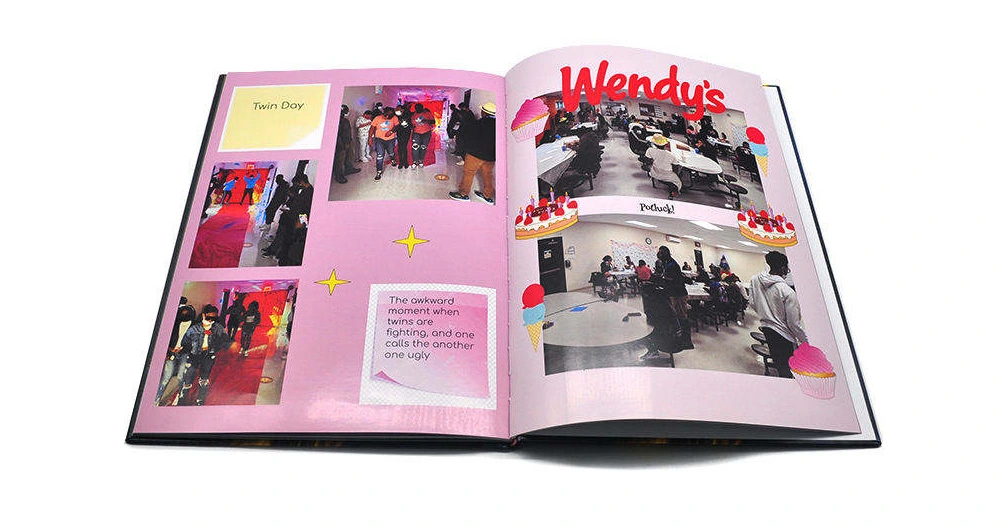
1. 105gsm glossy or matte art paper: This lightweight option is suitable for yearbooks with more pages and a focus on text-heavy content. While it may not provide the same level of vibrancy as heavier papers, it offers a cost-effective solution.
2. 128gsm glossy or matte art paper: A popular middle-ground choice, 128gsm art paper strikes a balance between image quality and durability. It provides a smooth surface for vibrant images while still maintaining a reasonable weight and thickness.
3. 157gsm or 200gsm glossy or matte art paper: For yearbooks with a heavy emphasis on high-quality photography and imagery or fewer pages, 157gsm art paper is an excellent choice. This thicker and more substantial paper ensures crisp, vibrant colors and prevents show-through from the opposite side of the page.
When selecting the interior paper, consider the overall content and design of your yearbook. If it features a significant number of high-resolution images and graphics, opting for a heavier paper weight like 157gsm will ensure that the visuals truly pop off the page.
Additionally, the choice between glossy or matte paper is a matter of personal preference and the desired aesthetic. Glossy paper tends to enhance the vibrancy and contrast of images, while matte paper provides a more low-profile appearance.
Remember, the paper choice for your school yearbook printing is an investment in preserving memories for years to come. Through carefully considering the options and selecting the right combination of cover and interior papers. You can create a yearbook that not only looks stunning but also withstands the test of time.
Popular School Yearbook Binding Options
When it comes to creating a custom school yearbook, the binding choice plays a crucial role. It not only determining the overall aesthetic but also the functionality and durability of the publication. Two popular binding options for school yearbooks are hardcover and spiral binding, each offering its own unique advantages.
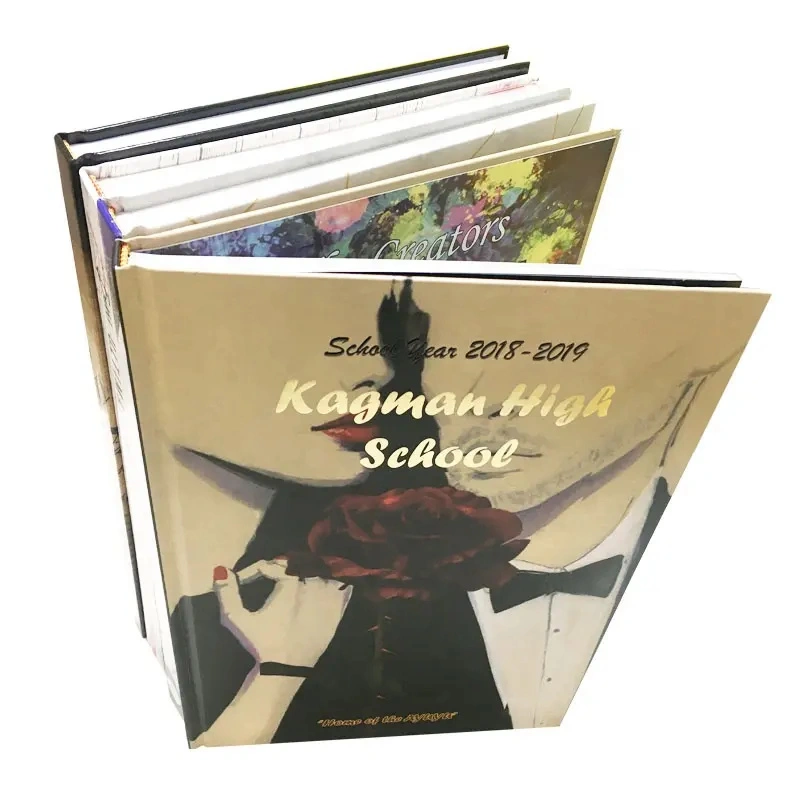 Hardcover
Hardcover binding is a classic and timeless choice for school yearbooks. The binding process includes sewing the interior pages together and then assemble on a hard cover. The covers can be further enhanced with various options, such as cloth, leather, or printed dust jackets.
Hardcover yearbooks exude a sense of permanence and elegance, making them a treasured keepsake for students and their families. The rigid covers provide excellent protection for the interior pages, ensuring that the yearbook can withstand the test of time and frequent handling.
One of the advantages of hardcover binding is its ability to accommodate a large number of pages without compromising the structural integrity of the book. This makes it an ideal choice for yearbooks that feature extensive content, such as detailed sections for academics, sports, clubs, and candid photographs.
Additionally, hardcover yearbooks offer a premium and professional look, making them a source of pride for the school community. The covers can be customized with embossing, foil stamping, or full-color printing, allowing for creative and eye-catching designs that reflect the school’s identity and the yearbook’s theme.
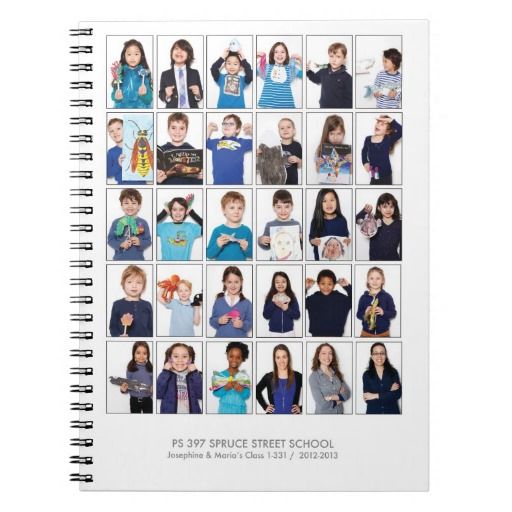 Spiral binding
Spiral binding, also known as coil binding, is a popular alternative for school yearbooks. In this method, the book block is punched with holes along the spine, and a continuous metal or plastic coil is threaded through these holes, allowing the pages to lay flat when opened.
One of the primary advantages of spiral binding is its functionality and ease of use. Students can easily write personal messages or sign their yearbooks without the pages obstructing the writing surface. This binding method also allows the yearbook to open completely flat, making it easier to display and share the content with others.
Spiral-bound yearbooks offer a more casual and contemporary look, appealing to schools that prefer a more modern aesthetic. The exposed coil binding can be customized with different colors or metallic finishes, adding a touch of personality to the design.
While spiral binding may not offer the same level of durability as hardcover binding, it is still a robust option for school yearbooks. The coil binding securely holds the pages together, preventing them from falling out or becoming loose over time.
When choosing between hardcover and spiral binding for your custom school yearbook. You should consider factors such as the desired aesthetic, the amount of content, and the intended use. Hardcover yearbooks are ideal for a more traditional and formal look, while spiral binding offers greater functionality and a more contemporary vibe.
Ultimately, both binding options can produce beautiful and lasting yearbooks that capture the memories and spirit of the school year, ensuring that these cherished keepsakes are enjoyed for years to come.
School Yearbook Format: Portrait or Square or Landscape
When it comes to designing a custom school yearbook, one of the critical decisions is choosing the right format or orientation. The format you select will not only impact the overall aesthetic but also influence the layout and presentation of your content.
The three main format options for school yearbooks are portrait, square, and landscape. Each format offers unique advantages and considerations, making it essential to choose the one that best aligns with your yearbook’s theme, content, and design goals.
Portrait Format
The portrait format, also known as vertical orientation, is a classic choice for school yearbooks. This format features pages that are taller than they are wide, creating a vertical canvas for your content. Portrait yearbooks are often associated with a traditional and formal look, making them a popular choice for schools seeking a timeless and elegant aesthetic.
One of the key advantages of the portrait format is its ability to showcase full-length portraits and candid shots effectively. This orientation lends itself well to capturing students’ personalities and capturing memorable moments from events and activities.
Additionally, the portrait format can be particularly well-suited for text-heavy sections, such as academics or club descriptions. Because it provides ample vertical space for organizing and presenting information in a clear and readable manner.
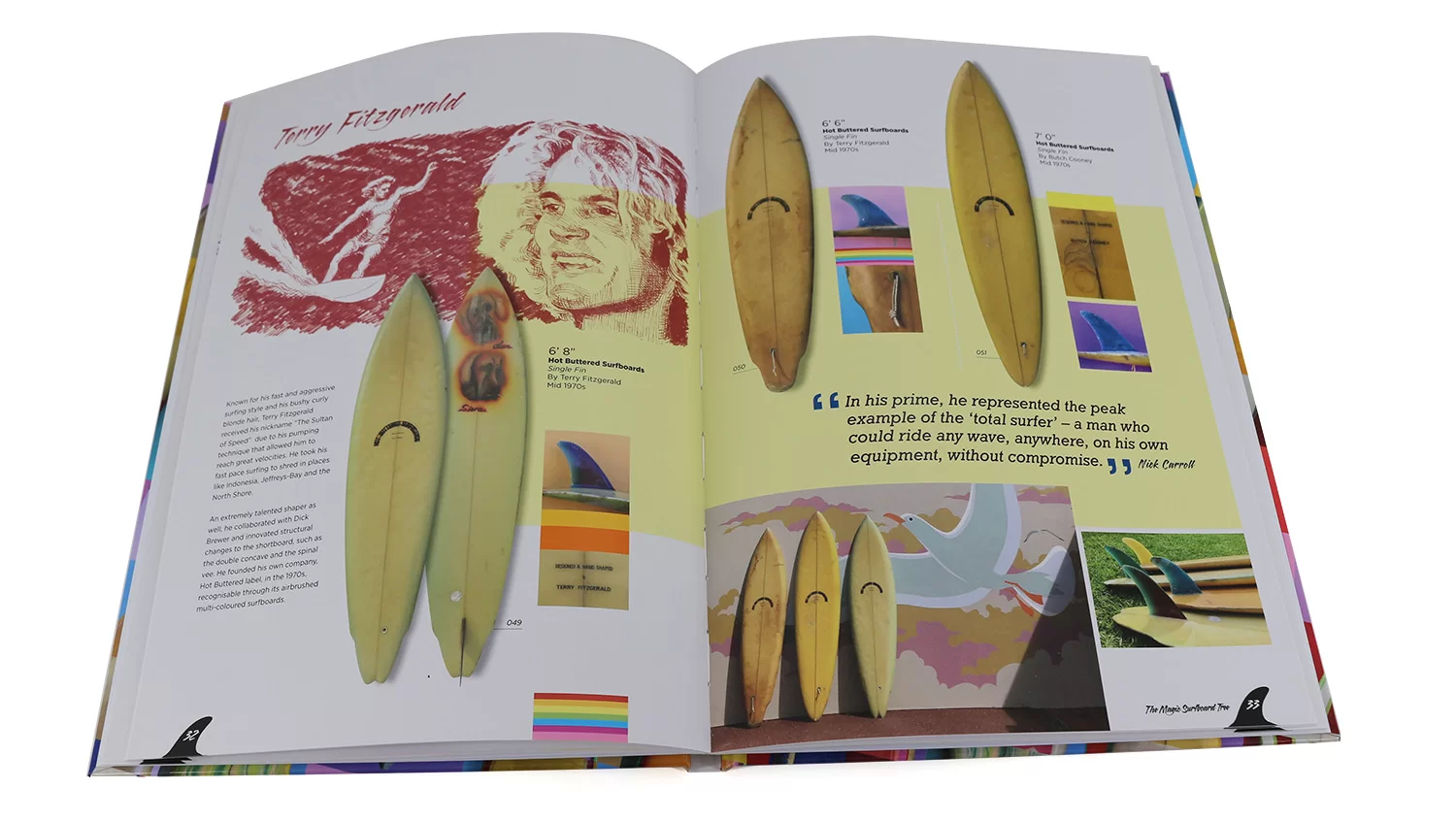
Square Format
The square format, where the pages have equal width and height, offers a unique and modern approach to yearbook design. This orientation breaks away from traditional conventions, providing a fresh and contemporary canvas for showcasing your school’s spirit and creativity.
Square yearbooks can be particularly effective for showcasing a diverse range of content, from portraits to landscapes, and candid shots. The equal dimensions allow for a balanced and visually appealing layout, making it easier to incorporate a variety of image sizes and orientations.
Moreover, the square format lends itself well to creative and unconventional layouts, encouraging designers to think outside the box and experiment with unique grid systems and design elements. This can result in a yearbook that truly stands out and captures the vibrancy and energy of your school community.
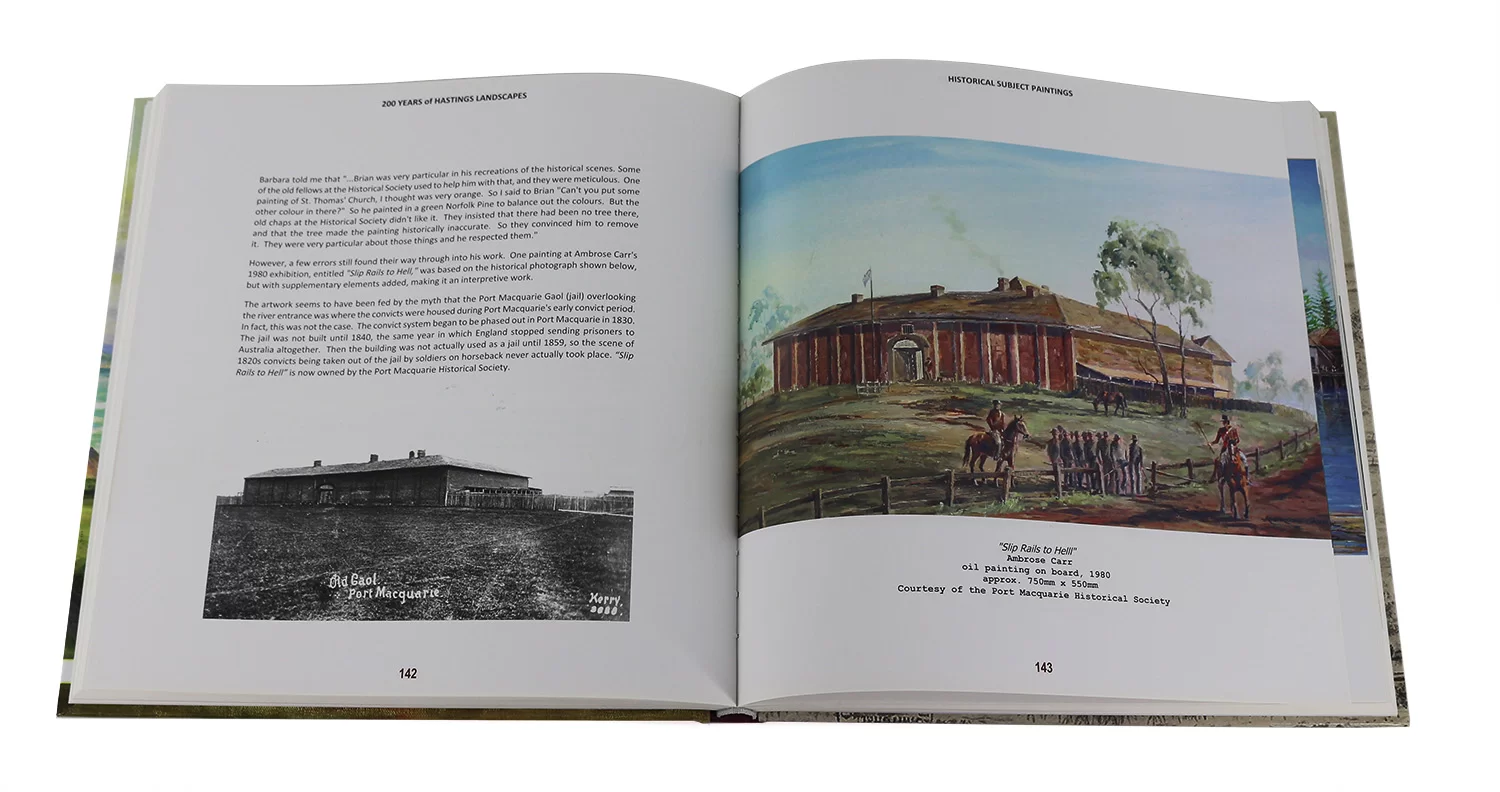
Landscape Format
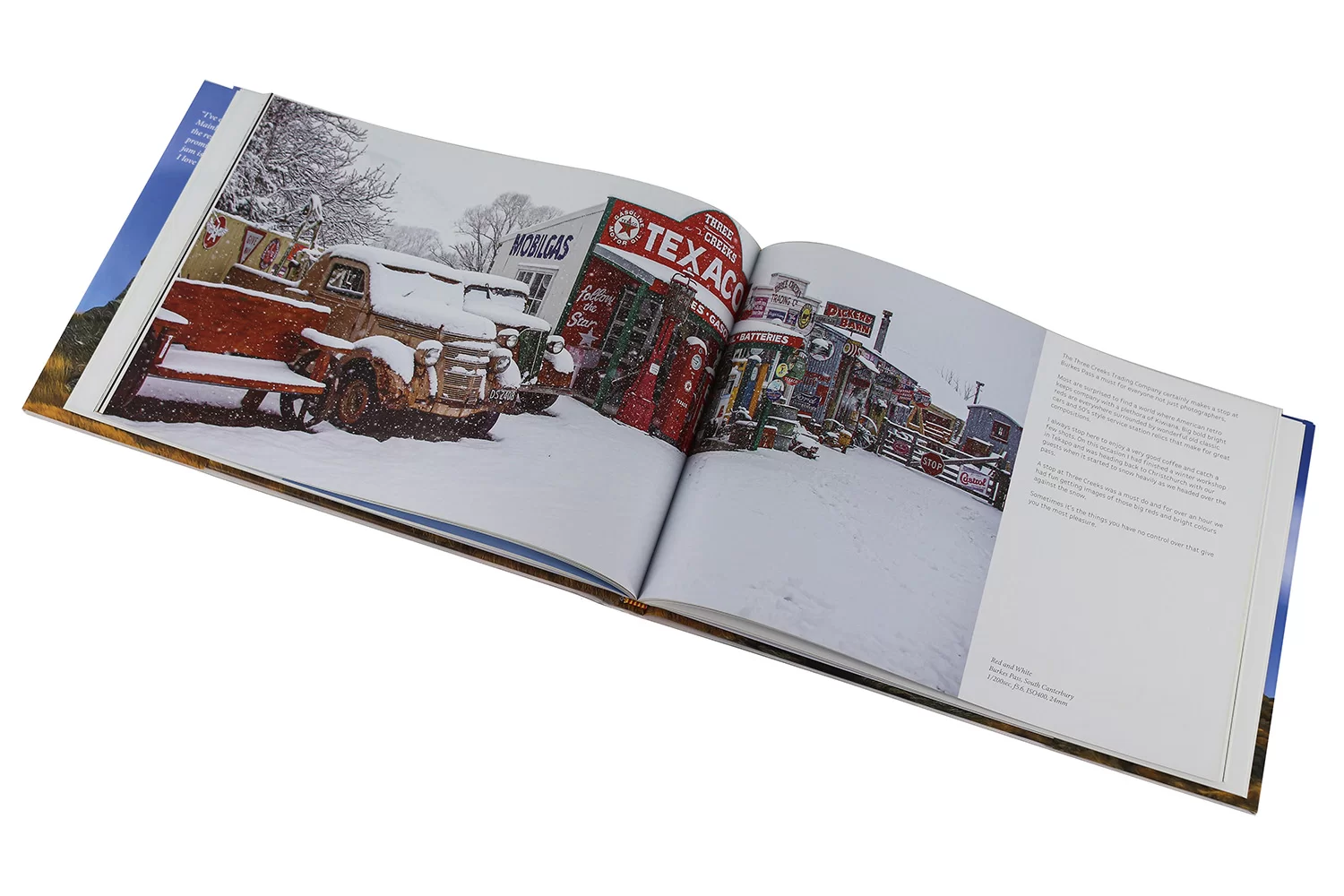
The landscape format, also known as horizontal orientation, is a bold and eye-catching choice for school yearbooks. With pages that are wider than they are tall, this format offers a panoramic canvas that can be particularly effective for showcasing wide-angle shots, group photos, and panoramic views.
Landscape yearbooks can be an excellent choice for schools with a strong emphasis on sports or outdoor activities. As the wide format allows for stunning full-bleed images that capture the action and energy of these events.
Additionally, the landscape format can be well-suited for yearbooks that feature a significant amount of text or tabular data, such as class lists or academic records. The wide pages provide ample horizontal space for organizing and presenting information in a clear and readable manner.
When deciding on the format for your custom school yearbook printing, consider the overall theme, content, and design goals. If you have a wealth of full-length portraits or text-heavy sections, the portrait format may be the most suitable choice. If you want to showcase a diverse range of content and embrace a modern aesthetic, the square format could be an excellent option. For schools with a strong emphasis on sports, panoramic views, or wide-angle shots, the landscape format can be a visually striking and impactful choice.
Ultimately, the format you choose should complement your yearbook’s content and design vision, creating a cohesive and engaging experience for readers. By carefully considering the strengths and limitations of each format, you can create a yearbook that not only captures the essence of your school year but also stands out as a visually stunning and memorable keepsake.
How Much Does it Cost to Custom Print School Yearbooks?
When it comes to creating a custom school yearbook, one of the most common questions is, “How much does it cost?” The cost of printing school yearbooks can vary significantly depending on several factors, including the number of pages, paper quality, binding style, print run, and additional features or customizations.
To provide a general idea, the cost of custom printing a school yearbook can range from a few dollars per book for a basic, black-and-white, softcover publication to upwards of $10 or more for a high-end, full-color, hardcover yearbook with premium paper and specialized printing techniques.
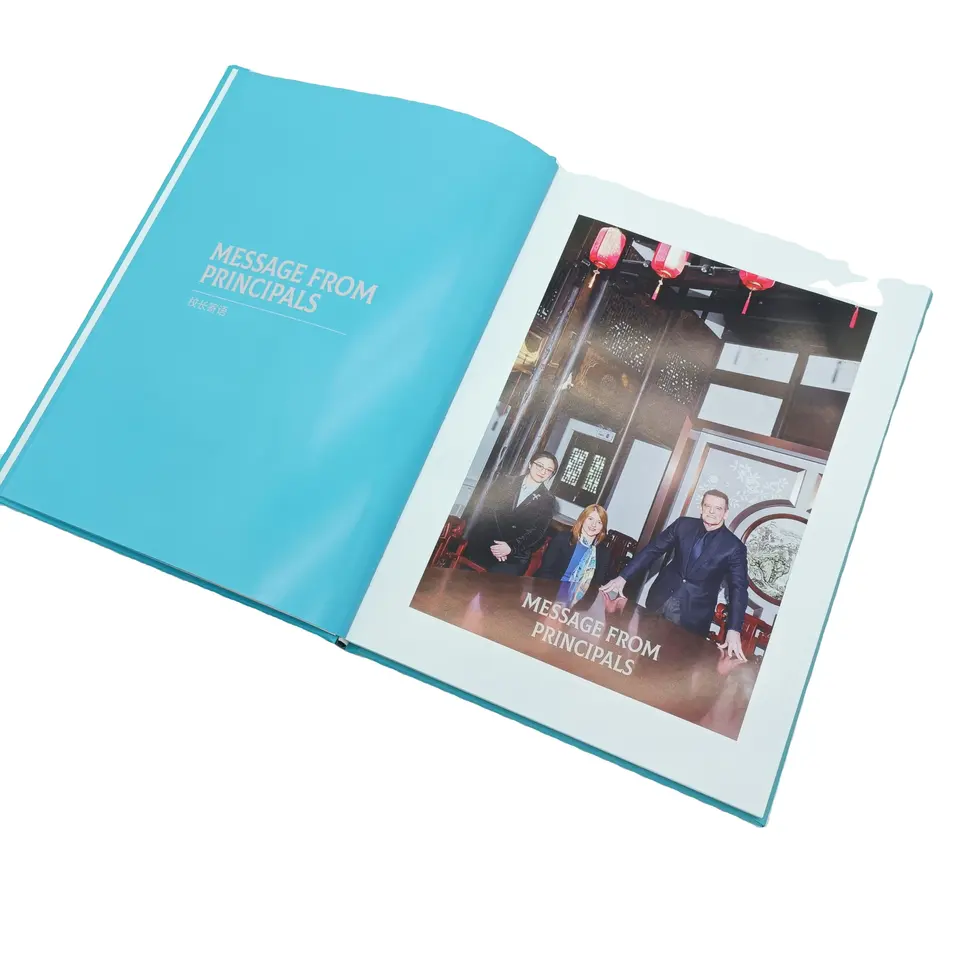 Here are some key factors that influence the cost of custom printing school yearbooks:
1. Number of Pages: The more pages your yearbook has, the higher the printing cost will be. Typically, yearbooks range from 50 to 200 pages, with each additional page adding to the overall cost.
2. Paper Quality: The type and quality of paper you choose for the cover and interior pages will significantly impact the cost. Higher-quality papers, such as glossy or matte art paper, will be more expensive than standard uncoated papers.
3. Binding Style: The binding method you select can also affect the cost. Hardcover binding is generally more expensive than softcover or spiral binding, but it offers a more premium and durable product.
4. Print Run: The number of copies you need to print will influence the cost per book. Larger print runs typically result in a lower cost per unit due to economies of scale.
5. Color vs. Black and White: Full-color printing is more expensive than black-and-white printing, as it requires additional printing plates and inks.
6. Additional Features: Extras like embossing, foil stamping, dust jackets, or specialized printing techniques (e.g., spot UV, metallic inks) can significantly increase the cost.
It’s essential to work with a reputable yearbook printing service or local print shop to get an accurate quote based on your specific requirements. Many printers offer discounts for educational institutions or bulk orders, which can help reduce the overall cost.
Additionally, schools often engage in fundraising efforts or seek sponsorships to offset the cost of yearbook printing. To make sure these cherished keepsakes remain accessible to all students and their families.
After carefully considering the various factors that influence the cost of custom printing school yearbooks. You can make informed decisions that align with your budget and create a publication that truly captures the essence of your school year. Remember, a well-crafted yearbook is an investment in preserving memories that will be cherished for a lifetime.
At BookPrintingChina, we know how to print a custom school yearbook that captures the essence of your school year. Our experts are dedicated to bringing your vision to life, ensuring that every page is a testament to your school’s spirit and achievements.
Whether you’re looking for a traditional hardcover yearbook or a modern, spiral-bound publication, we offer a wide range of options to suit your preferences and budget. Our state-of-the-art printing facilities and premium materials guarantee that your yearbook will be a treasured keepsake for years to come.
Don’t miss the opportunity to preserve your school’s memories in a beautiful, custom-printed yearbook. Contact us today to discuss your project and receive a personalized quote. Let’s work together to create a yearbook that will be cherished by generations to come.