


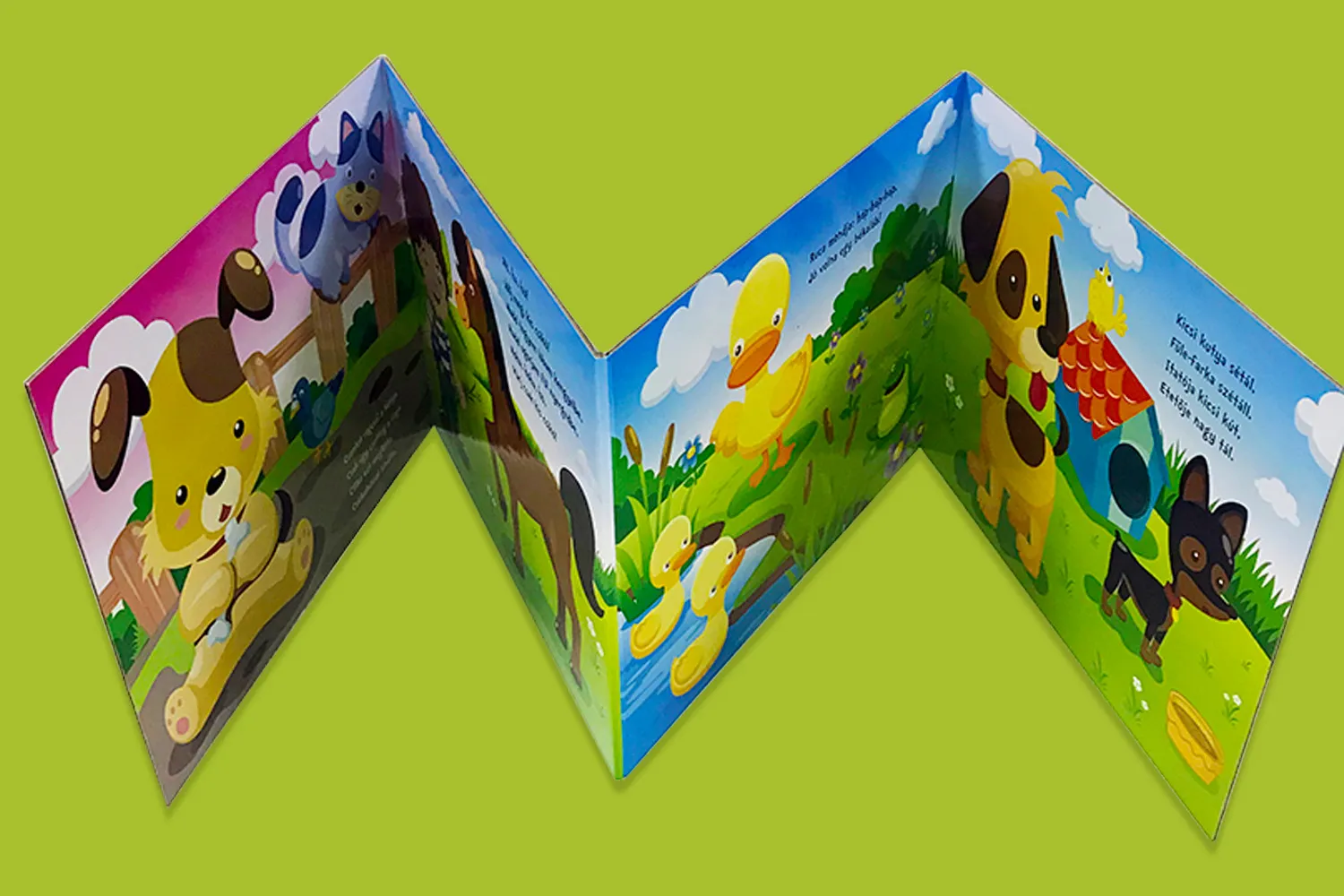
In the diverse world of book production, each binding style tells its own story, not just through content, but through form and structure. One of the most creative and versatile options is accordion book binding, also referred to as accordion fold book binding, concertina book binding, fold-over binding, or leporello binding. This unique method transforms a long sheet of paper into a zigzag fold that can expand or collapse like the bellows of a concertina musical instrument.
Unlike stitched or glued bindings, accordion binding allows for a seamless flow of visuals or text across panels. The result is a striking combination of functionality and artistry, a book that can be flipped through like a traditional publication or displayed as a continuous piece of artwork.
Today, accordion binding is used in everything from brochures and art portfolios to children’s books and museum leaflets. It appeals equally to designers who crave flexibility, artists who value storytelling continuity, and businesses looking to make an unforgettable impression.
Let’s dive deeper into how accordion book binding works, what makes it special, and how you can design one that stands out.
What’s Accordion Book Binding
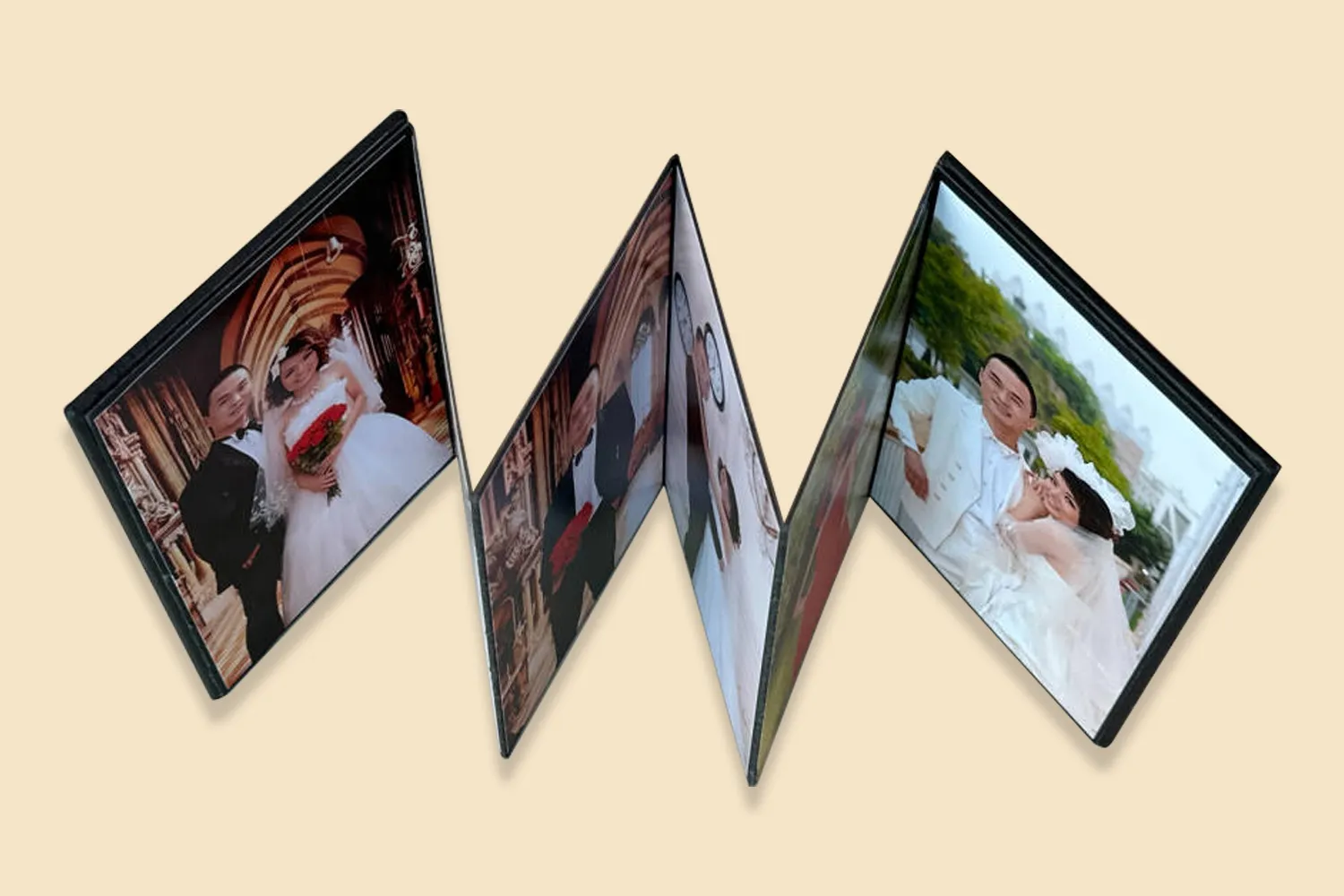
Accordion book binding, or concertina binding, is a folding technique where a single continuous sheet of paper is folded back and forth in a zigzag (Z-fold) pattern. When folded, the panels stack neatly; when opened, they form one long, unbroken surface that can be viewed as a sequence or panorama.
This style doesn’t require stitching, gluing, or separate signatures. Each “page” is simply one segment of the folded sheet, giving the book its distinct flexibility. Because there is no spine, accordion-bound books open completely flat, offering a full visual experience without interruptions or gutter shadows.
How It Differs from Traditional Book Bindings
Traditional bookbinding methods, such as perfect binding, saddle stitching, or case binding, rely on assembling individual pages or signatures that are glued or sewn together along a spine. These bindings are ideal for longer texts or books requiring page turns.
Accordion binding, by contrast, focuses on continuity and unfolding rather than page flipping. It allows the reader to expand the content linearly, visually, or spatially, an experience closer to scrolls or panoramic displays.
This makes it especially suitable for:
-
Visual narratives or sequences
-
Art or photography presentations
-
Storybooks for children
-
Informational guides that need a wide overview
Terminology
You may encounter various terms describing the same or similar binding methods:
-
Accordion book binding: A General term in printing.
-
Accordion fold binding: Highlights the folding technique.
-
Concertina binding: Refers to the musical instrument shape.
-
Leporello binding: Common European term, named after Mozart’s opera servant Leporello, who unrolled a long, folded list.
-
Fold-over binding: Sometimes used interchangeably, emphasizing the continuous folding motion.
Regardless of the name, all describe the same principle — a series of folded panels joined to create an expandable, flexible format.
The Benefits of Accordion Book Binding
Accordion binding stands out not just for its look, but for its practical and creative advantages. Below are the key benefits that make it a favorite for designers, artists, and publishers alike.
Continuous Storytelling
One of the greatest strengths of accordion fold binding is its ability to present uninterrupted storytelling. Since the panels are physically connected, images, illustrations, or text can flow from one panel to another without a break.
For visual artists, this means you can create panoramic scenes, step-by-step progressions, or time-based sequences. For brands, it means seamless storytelling, from product introduction to features to call-to-action, in one continuous journey.
Lay-flat and Display-Ready
Accordion books open completely flat or can stand upright, making them ideal for:
-
Exhibitions and gallery displays
-
Photography showcases
-
Product or brand presentations
Because there’s no central gutter or binding bulk, every part of the design remains visible. This is why photographers, illustrators, and art publishers often choose accordion book binding for limited-edition portfolios.
Compact and Portable
Despite their extended viewing area, accordion fold books fold down neatly into a compact size. This portability makes them ideal for brochures, catalogs, or event programs that need to be easy to distribute yet impressive when opened.
Creative Flexibility
Accordion binding gives designers complete freedom to experiment with format. You can:
-
Print on one or both sides
-
Incorporate die cuts or pop-up elements
-
Combine text and imagery in dynamic layouts
-
Orient the folds horizontally or vertically
Whether minimalist or highly artistic, accordion books adapt to your creative vision.
Display Potential
Accordion books can double as display pieces, standing like a sculptural object on a desk or shelf. This makes them excellent for art books, museum guides, or promotional projects that require both functionality and visual appeal.
Applications of Accordion Book Binding
The flexibility of accordion book binding makes it suitable for countless applications, from marketing materials to artistic masterpieces. Let’s explore its most common uses:
Brochures
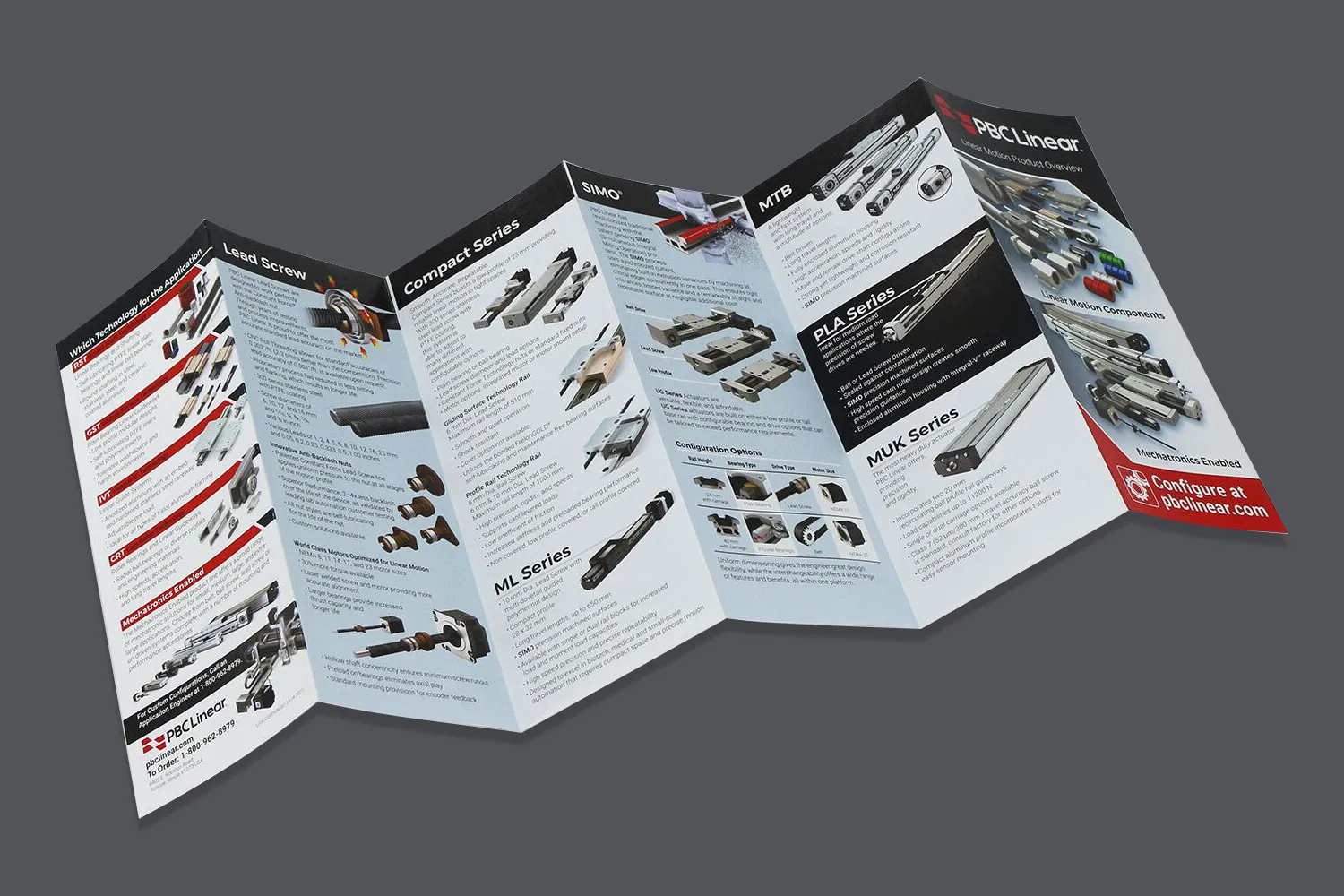
Accordion-fold brochures are a favorite among marketers. The format provides multiple panels to organize content logically — for instance:
-
Panel 1: Brand introduction
-
Panel 2–4: Product or service details
-
Panel 5: Testimonials or highlights
-
Panel 6: Contact information
The continuous fold allows storytelling with rhythm and flow, perfect for trade shows, tourism, and creative agencies.
Leaflets
Museums, galleries, and cultural institutions often use accordion-fold leaflets because they are easy to open flat for quick overviews. Each fold can present a section of information, such as a floor map, exhibition list, or timeline.
Children’s Books
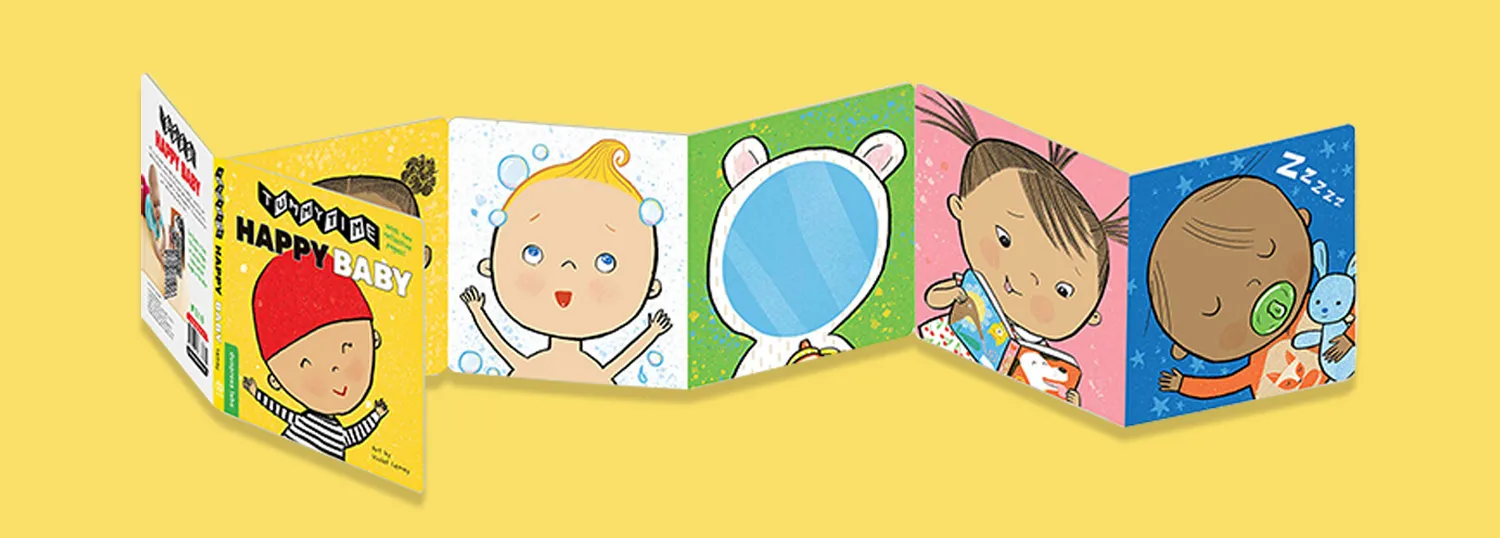
Accordion fold binding adds interactivity to children’s books. The unfolding motion feels playful, engaging young readers while encouraging exploration. Educational publishers use this style for alphabet charts, counting books, and storytelling adventures.
Art Books & Portfolios
For artists and photographers, accordion books are an elegant way to present a cohesive series of work. They can function as both books and display objects, perfect for:
-
Photography exhibitions
-
Print portfolios
-
Limited-edition artist books
When printed with thick paper or mounted on board, they gain the substance and durability of fine art prints.
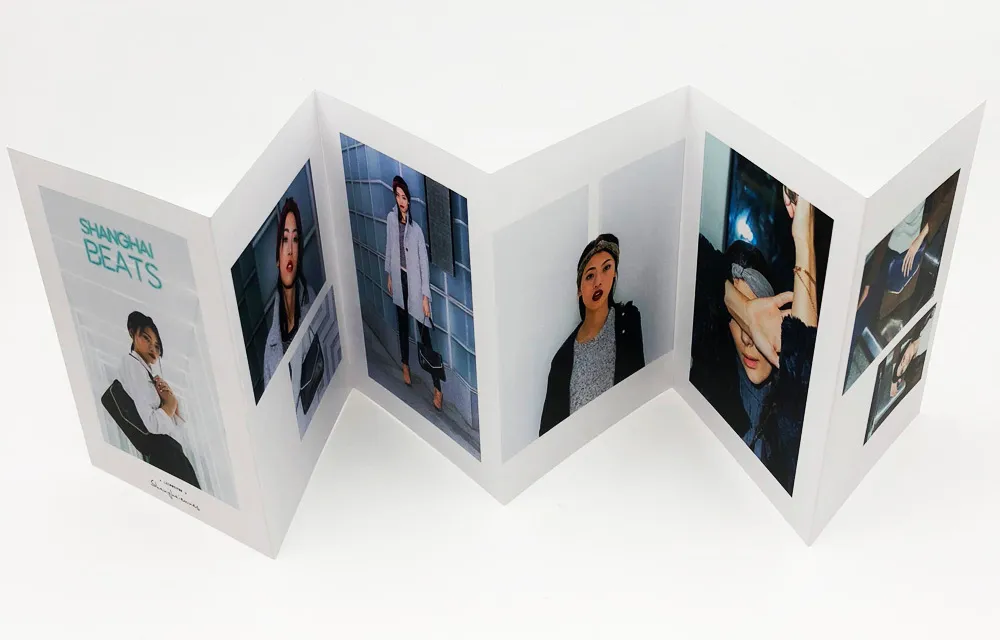
Invitations & Event Programs
Elegant, memorable, and customizable, accordion fold invitations make a statement. They can include multiple sections for event details, timelines, and RSVP info while folding compactly. This format is widely used for weddings, corporate events, and brand launches.
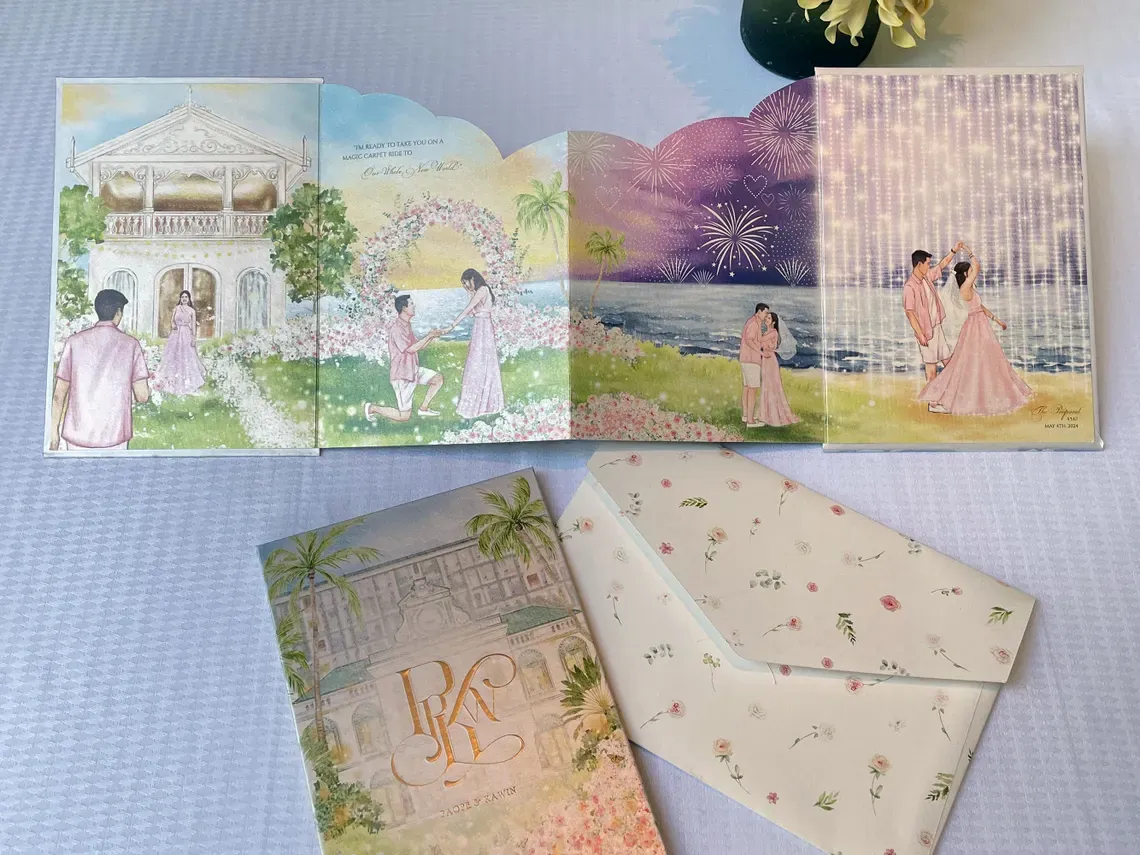
Mini Books & Zines
Independent artists and small publishers love accordion binding for handmade zines. It’s budget-friendly, requires no stitching, and allows for creative presentation. Many zine creators use accordion folds to produce small art collections or poetry sequences.
Magnet Puzzle Books
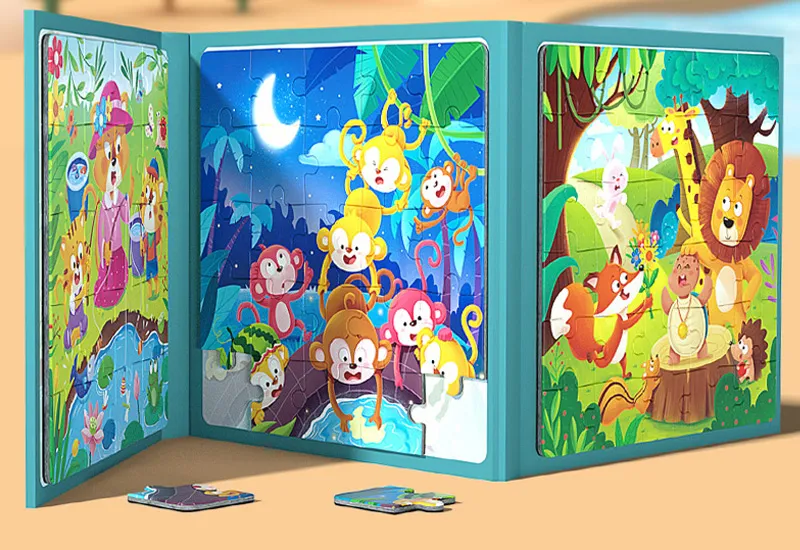
For children’s educational products, accordion binding is used in magnet puzzle books, where each panel contains a puzzle section or magnetized page. This interactive use highlights the format’s durability and flexibility, turning it into both a book and a toy.
Comparison: Accordion Binding vs. Other Book Bindings
Choosing between accordion binding and other binding styles depends on your content, purpose, and aesthetic goals.
| Binding Type | Structure & Features | Ideal Use | How It Differs from Accordion Binding |
| Perfect Binding | Pages glued at the spine | Catalogs, magazines, novels, and more | Accordion books are fold-based, not glued. |
| Saddle Stitch Binding | Folded sheets stapled at the center | Booklets, manuals, comics, etc, books lower than 48 pages | Accordion binding uses continuous folds, eliminating the need for staples. |
| Loop Stitch Binding | Similar to saddle stitch with loops for binders | Booklets | Accordion books are free-standing, not bound by loops. |
| Singer Sewn Binding | Sewn thread visible on spine | Notebooks, booklets, etc | Accordion fold books have no sewing. |
| Board Book Binding | Thick cardboard pages, glued together | Baby or toddler books | Accordion board books are foldable, rather than using self-covered board book binding. |
| Hardcover Binding | Signatures sewn inside the hard cover | Premium publications | Accordion books can use hard covers but have folded panels instead of signatures. |
When to Choose Accordion Binding
Accordion binding stands apart for its unique folding structure and visual storytelling potential. You should choose accordion (concertina) binding when your project benefits from:
-
A continuous, panoramic layout that flows naturally from panel to panel.
-
A creative presentation format that doubles as a display piece.
-
A compact yet expressive design, ideal for portfolios, art exhibitions, or children’s storytelling.
-
Projects that need to lie completely flat or stand upright for display purposes.
While it may not be suited for long texts or heavy reference books, accordion binding excels in delivering a memorable, tactile, and artistic reading experience that no other binding style can match.
Design & Printing Tips for Accordion Fold Books
Designing for accordion binding requires precision; each fold, margin, and panel must align perfectly. Here’s how to ensure professional results.
Recommended Panel Size and Number of Folds
-
Standard panel sizes: A4, A5, A6, 5×7″, 8.5″ x 11″, or custom sizes depending on artwork.
-
Number of folds: Commonly 6–10 panels for brochures, up to 20+ for art projects.
-
Keep total length under press limits.
Layout Design Tips
-
Keep consistent gutters between panels.
-
Use bleed margins (usually 3mm) to ensure clean trimming.
-
Place important text or images away from folds.
-
Align front and back panels precisely if double-sided printing is used.
-
Decide reading direction early, accordion books can fold horizontally or vertically.
Paper Options
Choosing the right paper is essential to achieving the best visual and tactile results for your accordion book. The paper type and weight influence not only how your book looks but also how it folds and endures repeated handling.
Coated paper features a smooth, glossy, or matte surface that enhances color vibrancy and image sharpness. It’s an excellent choice for brochures, photo-based projects, or marketing materials that require crisp visuals and professional presentation.
Uncoated paper offers a more natural texture and soft, elegant appearance. It absorbs ink slightly more, giving a tactile, artistic finish that’s perfect for fine art editions, portfolios, and minimalist designs. It’s also ideal for projects where writing or sketching is desired.
Coated one side (C1S) paper is coated on one side and uncoated on the other, making it durable yet flexible. It is an ideal option for accordion-style board books or children’s books where sturdiness and vibrant printing are both important.
Recommended paper weights
-
Brochures: 80–157gsm — lightweight and easy to fold, suitable for promotional materials.
-
Art Books / Children’s Books: 157–250gsm — balances durability and flexibility while supporting vivid color printing.
-
Accordion Board Books: 300–400gsm C1S — thick and rigid, providing a premium feel and strong resistance to bending or wear.
Front and Back Printing
Accordion books can be single-sided or double-sided. Double-sided printing maximizes space and works well for educational or informational materials. Single-sided printing suits art displays and panoramas.
Finishing Options
Professional finishes elevate your book’s appearance and durability:
-
Lamination: Adds gloss or matte protection.
-
Spot UV: Highlights titles or graphics with glossy contrast.
-
Foil Stamping: Elegant metallic detail for covers.
-
Embossing/Debossing: Adds texture and depth.
-
Die-Cut Windows: Create interactive or layered effects.
FAQs about Accordion Book Binding
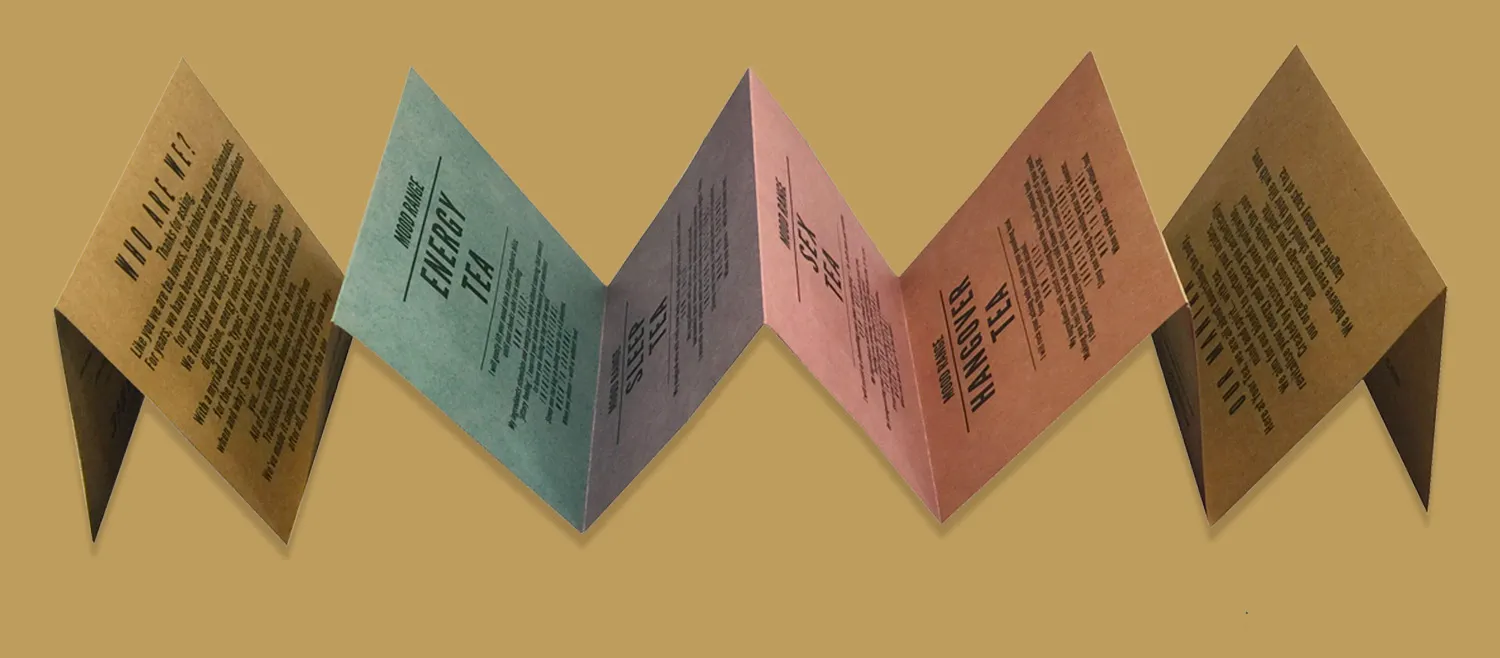
What is the purpose of the accordion book?
The main purpose of an accordion book is to provide a continuous, fold-out format that allows for both sequential storytelling and panoramic visual presentation. Unlike traditional bound books with individual pages, the accordion structure unfolds in a zigzag pattern, creating a seamless flow of images or text across multiple panels.
This unique design makes accordion books highly versatile. They can function as both books and displays. When folded, they are compact and easy to carry; when unfolded, they transform into a wide visual canvas, ideal for exhibiting artwork, photography, or narrative sequences.
Artists, designers, and publishers use accordion books to:
-
Present visual stories or timelines that unfold smoothly from start to finish.
-
Showcase artwork or photography in a continuous, uninterrupted layout.
-
Create interactive experiences for children’s books or educational materials.
-
Produce elegant brochures, portfolios, and invitations that stand out from conventional folded designs.
How many folds can I include in an accordion book?
You can include as many folds as your design and printing size allow. Most range from 6–20 panels, but custom lengths are possible.
Can accordion books be printed double-sided?
Yes. Both sides can be printed, depending on your design requirements. Accurate alignment is essential for professional results.
What paper thickness works best?
-
Accordion board books: 300–350gsm C1S paper
-
Brochures/Leaflets: 80–157gsm paper. Thicker paper ensures durability, especially for books handled frequently.
Do you offer hardcover accordion books?
Yes, we do. Hardcover accordion books are a popular choice for projects that require a more durable and elegant presentation. By combining the flexibility of the accordion fold structure with the sturdiness of hard covers, this format offers both functionality and a premium appearance.
Hardcover accordion books are ideal for:
-
Art books and portfolios: presenting artwork or photography with a refined, gallery-quality finish.
-
Children’s books: offering extra protection for frequent handling while maintaining the fun unfolding design.
-
Special edition publications: adding a luxurious touch to limited-run or collectible books.
-
Exhibitions and displays: allowing the book to stand upright or expand fully while staying protected.
The covers can be customized with special materials such as cloth, PU leather, or textured paper, and enhanced with finishing options like foil stamping, debossing, or spot UV. This combination of creative design and structural strength makes hardcover accordion books both visually striking and long-lasting, a perfect blend of artistry and durability.
Is the accordion book back to back?
It can be. Some are printed on both sides for practicality, while others remain single-sided for aesthetic reasons.
When not to use accordion binding?
While accordion book binding offers exceptional visual appeal and creative flexibility, it’s not suitable for every type of publication. There are certain situations where other binding styles, such as perfect binding, saddle stitching, or case binding, may be a better choice.
You should avoid accordion binding in the following cases:
-
When Your Book Has a Large Number of Pages: Accordion binding works best for shorter formats, usually with a limited number of panels. If your project exceeds a certain length (for example, over 20–30 panels), the folded structure can become bulky, difficult to handle, and prone to wear at the creases. For longer books, a traditional binding like perfect binding or case binding is more practical.
-
When You Need Frequent Page Turns or Deep Reading: Because accordion books unfold rather than flip page by page, they’re not ideal for text-heavy content such as novels, manuals, or textbooks. These formats are better served by bindings that allow easy page turning and bookmarking.
-
When You Require Precise Page Alignment on Both Sides: If your design includes intricate double-sided layouts that must align perfectly, the folds in accordion binding can make registration more challenging. In these cases, a stitched or glued binding provides better structural stability.
-
When Durability in Heavy Use Is Essential: Although sturdy, accordion books are not designed for constant bending or heavy everyday use. If your project will be handled frequently, such as a workbook, field manual, or reference guide, a stronger, spine-based binding method is recommended.
Accordion Book Printing Service
If you’re looking for a professional partner to produce your accordion-style books, BookPrintingChina is here to help. We specialize in high-quality book printing and binding, including accordion book binding, combining traditional craftsmanship with modern printing technology. Our experienced team ensures precise folding, vivid color reproduction, and flawless finishing across every panel.
Why Choose BookPrintingChina for Accordion Book Printing
-
Custom Sizes & Formats: From mini zines to large panoramic art books.
-
Flexible Paper Options: Choose the perfect weight, texture, and finish.
-
Premium Finishing: Foil stamping, embossing, lamination, spot UV, and more.
-
Hardcover or Softcover Options: Tailored to your project style and budget.
-
Short & Bulk Runs: Cost-effective solutions for both small artists and large publishers.
Whether you’re creating a children’s accordion board book, a museum exhibition catalog, or an art portfolio, we ensure your book is printed with precision and care.
At BookPrintingChina, we don’t just print; we help your stories unfold beautifully. From design consultation to packaging and global shipping, every detail is handled with attention and quality assurance.